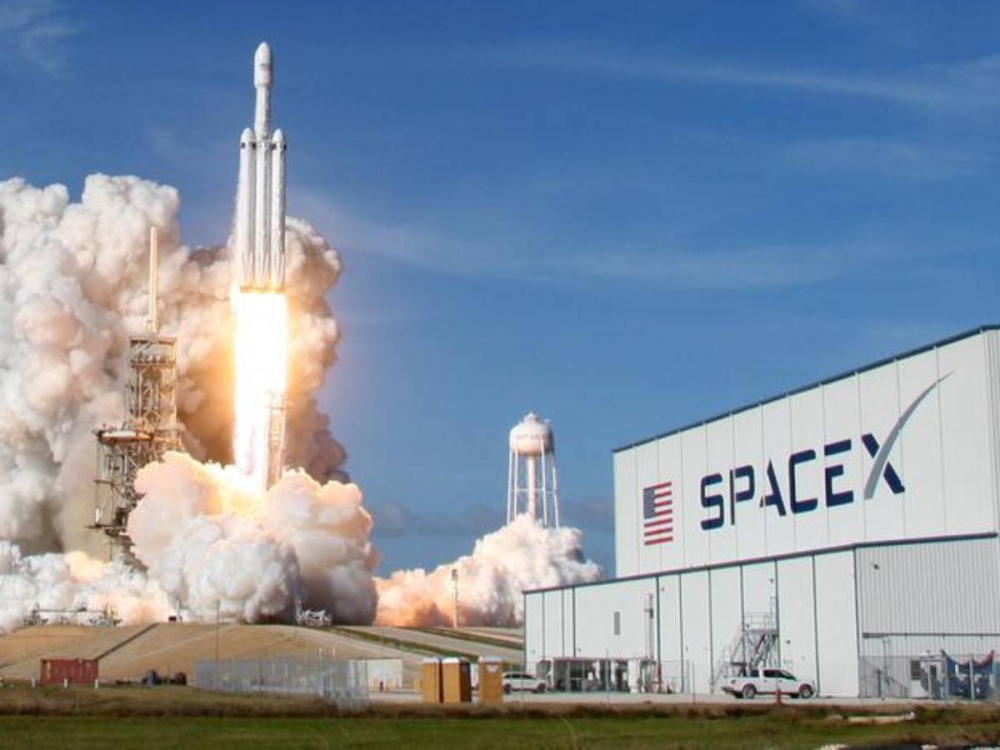
أطلقت مؤسسة تكنولوجيات استكشاف الفضاء الأمريكية «سبيس إكس»، اليوم، 28 قمراً صناعياً جديداً من طراز «ستارلينك» إلى الفضاء.
وأوضحت المؤسسة، أن صاروخ «فالكون 9» انطلق من مجمع الإطلاق الفضائي 40 في محطة «كيب كانافيرال» الفضائية بولاية «فلوريدا» حاملاً وحدات الإنترنت عريض النطاق (المجموعة 10-28) وأقماراً صناعية إلى مدار أرضي منخفض، لافتة إلى وصول الأقمار إلى الفضاء بعد حوالى تسع دقائق، وجرى نشرها في مدارها بعد 50 دقيقة.
ونوّهت إلى أنه في غضون ذلك، أكملت المرحلة الأولى من صاروخ فالكون 9 (الدفعة 1077) رحلتها الـ22 من وإلى الفضاء، وهبطت على سفينة الفضاء دون طيار في المحيط الأطلسي.
يذكر أن شبكة «ستارلينك» التابعة لـ«سبيس إكس» توفر خدمة الإنترنت عريض النطاق لمناطق حول العالم حيث لا تتوفر أنواع التغطية الأخرى أو تكون معطلة، وبدأت أيضاً بتوفير خدمة الاتصال المباشر بالهاتف المحمول التي أتاحتها «سبيس إكس» للمناطق وغمرتها الفيضانات المفاجئة في «تكساس».
وتضم شبكة «ستارلينك» حالياً أكثر من 7 آلاف قمر صناعي نشط تعمل معاً لتوفير تغطية إنترنت عالية السرعة في معظم مناطق العالم، باستثناء القطبين، عبر مستقبلات أرضية موجهة نحو السماء.
The American space exploration technology company "SpaceX" launched 28 new "Starlink" satellites into space today.
The company explained that the "Falcon 9" rocket lifted off from Launch Complex 40 at the Cape Canaveral Space Station in Florida, carrying broadband internet units (group 10-28) and satellites into low Earth orbit, noting that the satellites reached space after about nine minutes and were deployed into their orbit after 50 minutes.
It highlighted that during this time, the first stage of the Falcon 9 rocket (flight 1077) completed its 22nd journey to and from space, landing on a drone ship in the Atlantic Ocean.
It is worth mentioning that the "Starlink" network, operated by "SpaceX," provides broadband internet service to areas around the world where other types of coverage are unavailable or disrupted, and it has also begun offering direct mobile phone service that "SpaceX" made available to areas affected by sudden flooding in Texas.
The "Starlink" network currently includes more than 7,000 active satellites working together to provide high-speed internet coverage in most parts of the world, excluding the poles, through ground-based receivers aimed at the sky.