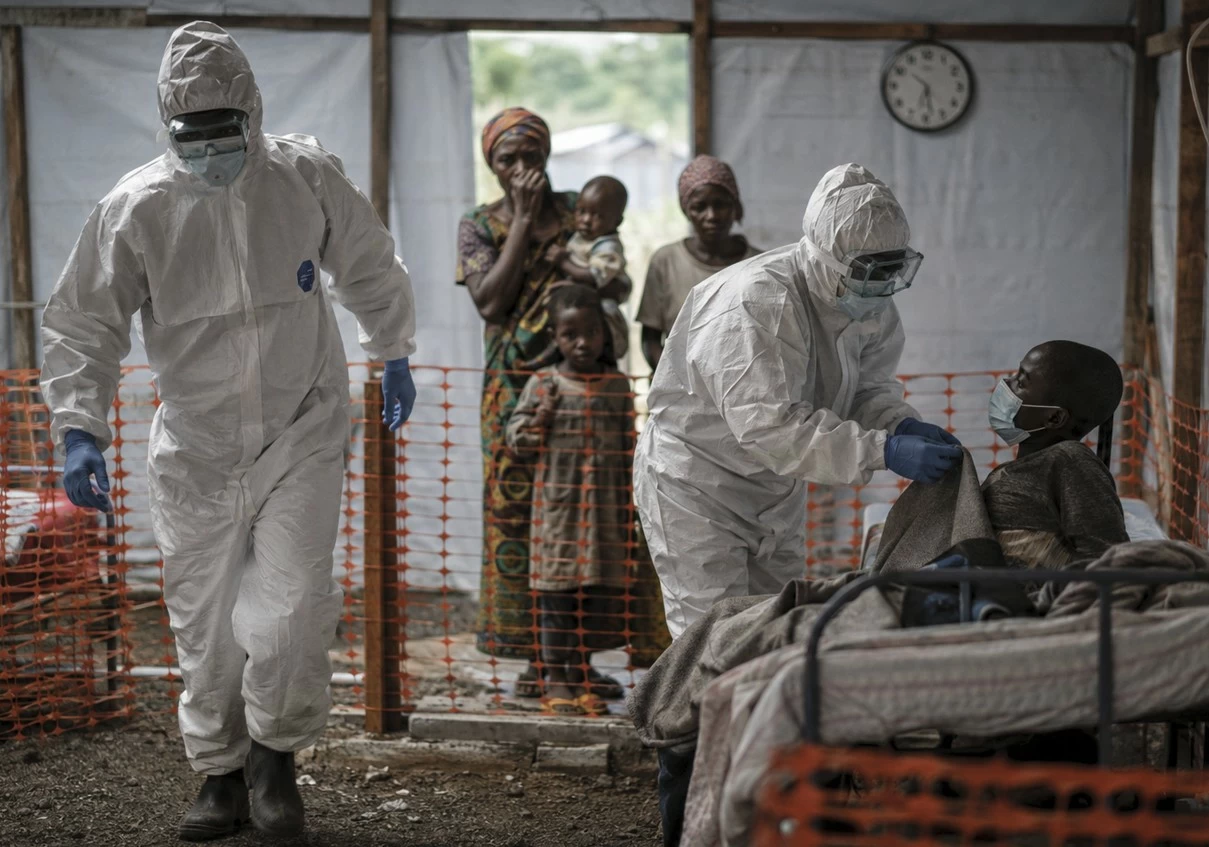
كشف وكيل الأمين العام للشؤون الإنسانية ومنسق الإغاثة في حالات الطوارئ توم فليتشر، أن فيروس إيبولا يتسبب في وفاة شخص كل 30 دقيقة في الكونغو الديموقراطية، داعيا المجتمع الدولي إلى تكثيف تحركه لمواجهة تفشي الفيروس.
ووصف فليتشر، في بيان، التفشي الحالي بأنه «الأسرع انتشارا على الإطلاق»، مؤكدا الحاجة الملحة إلى توسيع نطاق الاستجابة وتعزيز التضامن، قبل أن يواصل الفيروس انتشاره بصورة أكبر بين السكان.
وأشار إلى أن «أعدادا أكبر بكثير من الناس معرضون للخطر»، لافتا إلى تبرع عدد من الدول بنحو 300 مليون دولار لصندوق مخصص لمكافحة تفشي إيبولا.
تحذير أممي من اتساع تفشي الفيروس
وحذر المسؤول الأممي من أن إيبولا «ينتصر في جمهورية الكونغو الديموقراطية»، مؤكدا أنه لا يمكن السماح للفيروس بتجاوز الجهود الدولية المبذولة لاحتوائه.
وشدد على أن «الأهم من ذلك هو تلبية الاحتياجات الهائلة للمياه والنظافة والرعاية الصحية وغيرها من الخدمات الأساسية في المنطقة»، داعيا العالم إلى الاستفاقة والتحرك بفاعلية للتصدي لانتشار الفيروس.
تعزيز فرق الاستجابة في الخطوط الأمامية
وأوضح فليتشر أنه جرى إرسال 20 موظفا إضافيا إلى «الخطوط الأمامية» لمواجهة الفيروس، لكنه أكد أن الوضع يتطلب مزيدا من الجهود لمكافحته.
وقال في هذا الصدد: «نحتاج إلى مضاعفة عدد الفرق التي تضمن عمليات دفن آمنة وكريمة، ومضاعفة القدرة الاستيعابية للعلاج ثلاث مرات، وتحسين عمليات تتبع المخالطين، ونشر المزيد من المديرين ذوي الخبرة».
أكثر من 2100 وفاة و4500 إصابة
وأودى تفشي فيروس إيبولا بحياة ما لا يقل عن 2128 شخصا من بين أكثر من 4500 إصابة، منذ الإعلان عن ظهوره في الكونغو الديموقراطية في 15 مايو الماضي، فيما سبق أن نبهت الأمم المتحدة إلى أن التفشي في طريقه ليصبح الأكثر فتكا في تاريخ المرض.
وكان صندوق الطوارئ التابع للأمم المتحدة قد أعلن تخصيص 30.5 مليون دولار إضافية، تضاف إلى 24 مليون دولار خُصصت لمساعدة جمهورية الكونغو الديموقراطية وأربع دول أخرى في التصدي للوباء، خصوصا بعد رصد إصابات في ست مقاطعات كونغولية وفي أوغندا، إلى جانب تسجيل حالات بالقرب من الحدود مع جنوب السودان.
15 ألف وفاة في إفريقيا خلال 50 عاما
وتسبب الفيروس في وفاة أكثر من 15 ألف شخص في إفريقيا على مدار الخمسين عاما الماضية، فيما كان التفشي الأكثر فتكا، الذي امتد بين عامي 2018 و2020، قد أودى بحياة نحو 2300 شخص من أصل 3500 إصابة.
The UN Under-Secretary-General for Humanitarian Affairs and Emergency Relief Coordinator Tom Fletcher revealed that the Ebola virus is causing one death every 30 minutes in the Democratic Republic of the Congo, calling on the international community to intensify its efforts to combat the outbreak of the virus.
Fletcher described the current outbreak as "the fastest spreading ever," emphasizing the urgent need to scale up the response and enhance solidarity before the virus spreads further among the population.
He noted that "far greater numbers of people are at risk," pointing out that several countries have donated around $300 million to a fund dedicated to combating the Ebola outbreak.
UN Warning of the Virus's Widening Spread
The UN official warned that Ebola is "winning in the Democratic Republic of the Congo," stressing that the virus must not be allowed to outpace the international efforts being made to contain it.
He emphasized that "more importantly, we need to meet the enormous needs for water, sanitation, healthcare, and other essential services in the region," urging the world to wake up and act effectively to counter the spread of the virus.
Strengthening Frontline Response Teams
Fletcher explained that 20 additional staff members have been sent to the "frontlines" to confront the virus, but he confirmed that the situation requires further efforts to combat it.
In this regard, he said: "We need to double the number of teams ensuring safe and dignified burials, triple the treatment capacity, improve contact tracing operations, and deploy more experienced managers."
Over 2,100 Deaths and 4,500 Infections
The Ebola virus outbreak has claimed the lives of at least 2,128 people among more than 4,500 infections since it was announced in the Democratic Republic of the Congo on May 15, with the UN previously warning that the outbreak is on track to become the deadliest in the history of the disease.
The UN's emergency fund announced an allocation of an additional $30.5 million, added to the $24 million allocated to assist the Democratic Republic of the Congo and four other countries in combating the epidemic, especially after cases were detected in six Congolese provinces and in Uganda, along with reported cases near the border with South Sudan.
15,000 Deaths in Africa Over 50 Years
The virus has caused the deaths of more than 15,000 people in Africa over the past fifty years, while the deadliest outbreak, which lasted from 2018 to 2020, claimed the lives of about 2,300 people out of 3,500 infections.