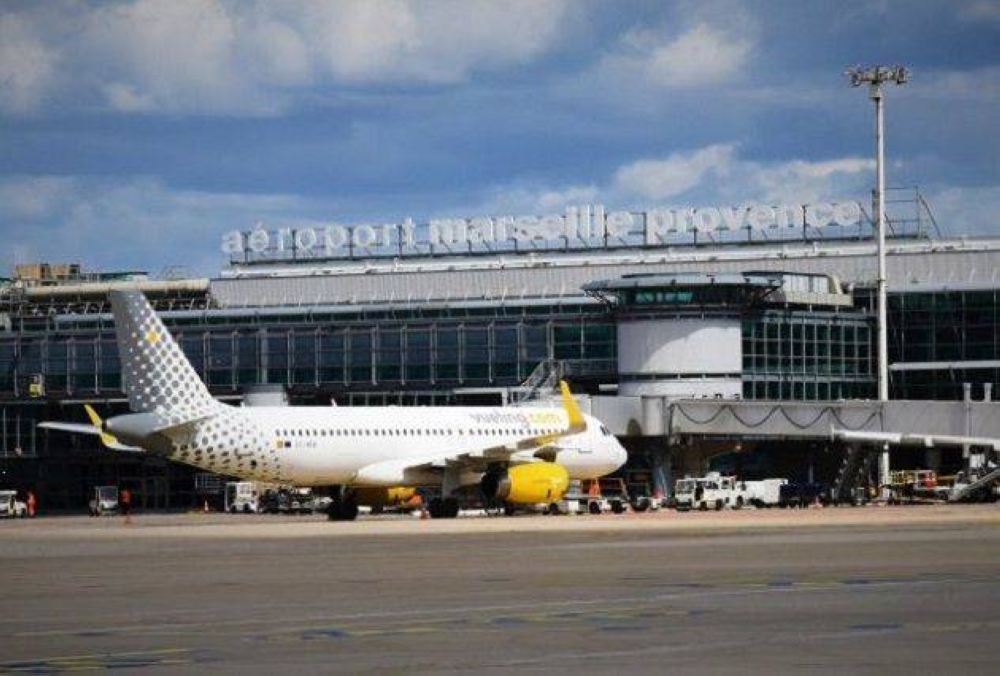
تسبب حريق سريع الانتشار في جنوب فرنسا، أمس، في إغلاق مطار «مرسيليا بروفانس»، رابع أكبر مطارات البلاد، ما أدى إلى اضطرابات في حركة الطيران بالتزامن مع بداية موسم العطلات الصيفية.
وقال متحدث باسم المطار إن عمليات الإقلاع والهبوط توقفت منذ منتصف النهار، فيما جرى تحويل بعض الرحلات إلى مطارات بديلة، بينها نيس ونيم. ولم يتم الإعلان حتى الآن عن موعد استئناف الرحلات من وإلى المطار.
وذكرت سلطات الإطفاء في منشور عبر منصة «إكس» أن الحريق يمتد على مساحة تُقدَّر بنحو 74 فداناً شمال مدينة مرسيليا، ثاني أكبر المدن الفرنسية.
كما أعلن رئيس بلدية بين ميرابو إخلاء مجمعين سكنيين كإجراء احترازي، فيما انتشرت فرق الإطفاء حول دار لرعاية المسنين للسيطرة على النيران.
في السياق ذاته، لا يزال حريق غابات آخر اندلع قرب مدينة ناربون جنوب غرب البلاد مستعراً منذ أمس الأول، بفعل رياح قوية تصل سرعتها إلى 60 كيلومتراً في الساعة، ما يصعّب جهود الإخماد.
ويشير العلماء إلى أن تغير المناخ الناتج عن النشاط البشري يؤدي إلى ارتفاع وتيرة موجات الحر وشدتها، وهو ما يسهم في زيادة حرائق الغابات في أنحاء متفرقة من العالم.
A rapidly spreading fire in southern France yesterday caused the closure of Marseille Provence Airport, the fourth largest airport in the country, leading to disruptions in flight operations coinciding with the start of the summer holiday season.
A spokesperson for the airport stated that takeoffs and landings have been halted since noon, while some flights have been redirected to alternative airports, including Nice and Nîmes. No announcement has been made yet regarding the resumption of flights to and from the airport.
The firefighting authorities mentioned in a post on the "X" platform that the fire spans an area estimated at about 74 acres north of the city of Marseille, the second largest city in France.
The mayor of Bains-Mirabeau also announced the evacuation of two residential complexes as a precautionary measure, while firefighting teams spread around a nursing home to control the flames.
In the same context, another wildfire that broke out near the city of Narbonne in the southwest of the country has been raging since the day before yesterday, fueled by strong winds reaching speeds of 60 kilometers per hour, complicating extinguishing efforts.
Scientists indicate that climate change resulting from human activity is leading to an increase in the frequency and intensity of heatwaves, which contributes to the rise of wildfires in various parts of the world.