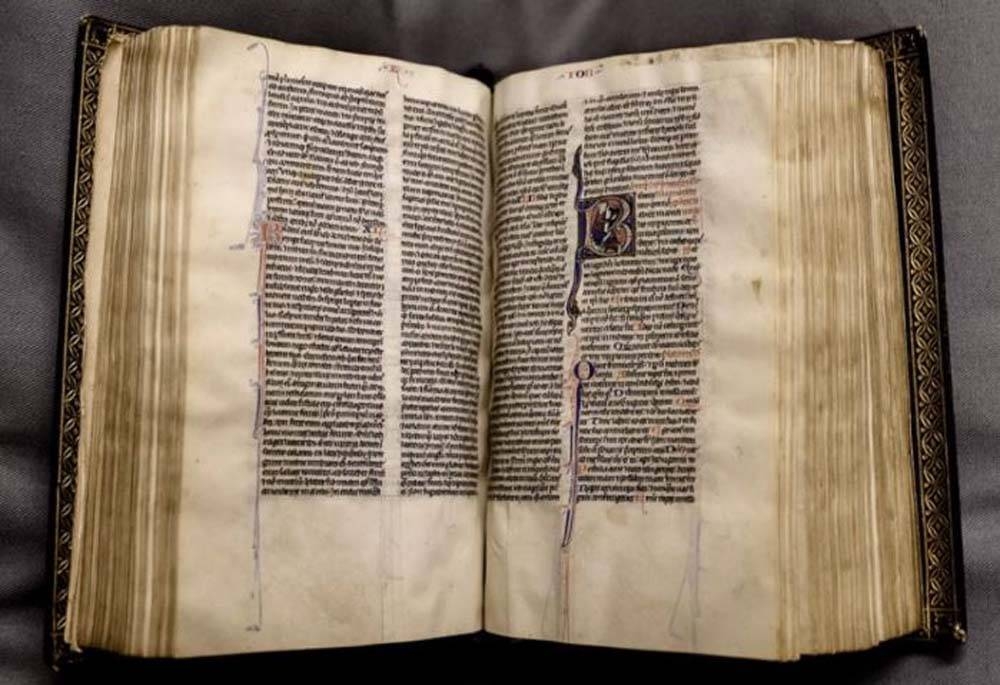
في واقعة أثارت الجدل في العراق، اختفت نسخة نادرة من التوراة بشكل غامض أثناء نقلها بين جهات رسمية عدة تقديراً لعمرها وقيمتها التاريخية.
وكانت الجهات الأمنية في كركوك قد عثرت على الكتاب الأثري قبل عام بحوزة عصابة مكونة من ثلاثة عراقيين وامرأة سورية، خلال محاولة لتهريبه خارج البلاد.
ونقلت وسائل إعلام عراقية عن مصادر مطلعة في محافظتي ديالى وكركوك، أنه تم اعتقال المتهمين في كركوك قبل أشهر عدة بتهمة الاتجار غير الشرعي بالآثار، ونُقلوا إلى ديالى لاستكمال التحقيقات بناءً على دعوى قضائية، وتمت مصادرة الكتاب الأثري، الذي يُعتقد أنه نسخة نادرة من التوراة، وأُحيل إلى وزارة الثقافة والسياحة والآثار لفحصه وتحديد ما إذا كان أصليًا أم مقلدًا، وأثناء عملية النقل بين الجهات المعنية، اختفى الكتاب في ظروف غامضة، دون أن يعرف أحد مكانه الحالي.
ويعتقد أن الكتاب المحفوظ داخل صندوق أثري يحتوي على صفحات منقوشة برسومات وكتابات بالخط الذهبي، يعود إلى حقبة تاريخية قديمة، مما يجعله قطعة ذات قيمة استثنائية، ولم تكن هذه الواقعة الأولى من نوعها فقد سبق وأحبطت الأجهزة الأمنية العراقية محاولات مماثلة لتهريب نسخ نادرة من التوراة، كما حدث في ديسمبر 2019، عندما ضبطت هيئة النزاهة الاتحادية في ذي قار نسخة أثرية كانت معدة للتهريب مقابل مبلغ مالي ضخم.
وتعرض العراق، الذي يُعد مهدًا للحضارات القديمة مثل السومرية والبابلية والآشورية، لعمليات نهب واسعة لآثاره منذ الغزو الأمريكي عام 2003، إذ سُرقت آلاف القطع الأثرية، بما في ذلك مخطوطات دينية نادرة مثل نسخ من التوراة، القرآن، والإنجيل، بمساعدة مافيات دولية استغلت الفوضى الأمنية.
ومنذ ذلك الحين، كثّفت السلطات العراقية جهودها لمكافحة تهريب الآثار، إذ نجحت في إحباط عمليات مثل ضبط مخطوطة توراة عام 2015 في كركوك بقيمة تقديرية 50 مليون دولار، وأخرى عام 2018 بقيمة 13 مليون دولار، كما تُجري السلطات تعاونًا دوليًا مع منظمات مثل الإنتربول واليونسكو لاستعادة الآثار المسروقة، بما في ذلك لوح مسماري من مدينة أور ومنشور بابلي نادر، اللذين سُلما من الولايات المتحدة عام 2025.
In an incident that sparked controversy in Iraq, a rare copy of the Torah mysteriously disappeared while being transferred between several official entities in recognition of its age and historical value.
The security forces in Kirkuk had found the ancient book a year ago in the possession of a gang consisting of three Iraqis and a Syrian woman during an attempt to smuggle it out of the country.
Iraqi media reported from informed sources in the provinces of Diyala and Kirkuk that the suspects were arrested in Kirkuk several months ago on charges of illegal trafficking in antiquities, and they were transferred to Diyala to complete the investigations based on a lawsuit. The ancient book, believed to be a rare copy of the Torah, was confiscated and referred to the Ministry of Culture, Tourism, and Antiquities for examination to determine whether it was authentic or a replica. During the transfer process between the concerned parties, the book disappeared under mysterious circumstances, and no one knows its current location.
The book, preserved inside an ancient box containing pages inscribed with drawings and writings in golden script, dates back to an ancient historical period, making it an item of exceptional value. This was not the first incident of its kind, as Iraqi security forces had previously thwarted similar attempts to smuggle rare copies of the Torah, as occurred in December 2019 when the Federal Integrity Commission in Dhi Qar seized an ancient copy that was prepared for smuggling for a huge sum of money.
Iraq, considered the cradle of ancient civilizations such as Sumerian, Babylonian, and Assyrian, has faced extensive looting of its antiquities since the American invasion in 2003, with thousands of artifacts stolen, including rare religious manuscripts such as copies of the Torah, the Quran, and the Bible, aided by international mafias that exploited the security chaos.
Since then, Iraqi authorities have intensified their efforts to combat antiquities smuggling, successfully thwarting operations such as the seizure of a Torah manuscript in 2015 in Kirkuk valued at an estimated $50 million, and another in 2018 valued at $13 million. The authorities are also conducting international cooperation with organizations such as Interpol and UNESCO to recover stolen artifacts, including a cuneiform tablet from the city of Ur and a rare Babylonian publication, which were handed over from the United States in 2025.