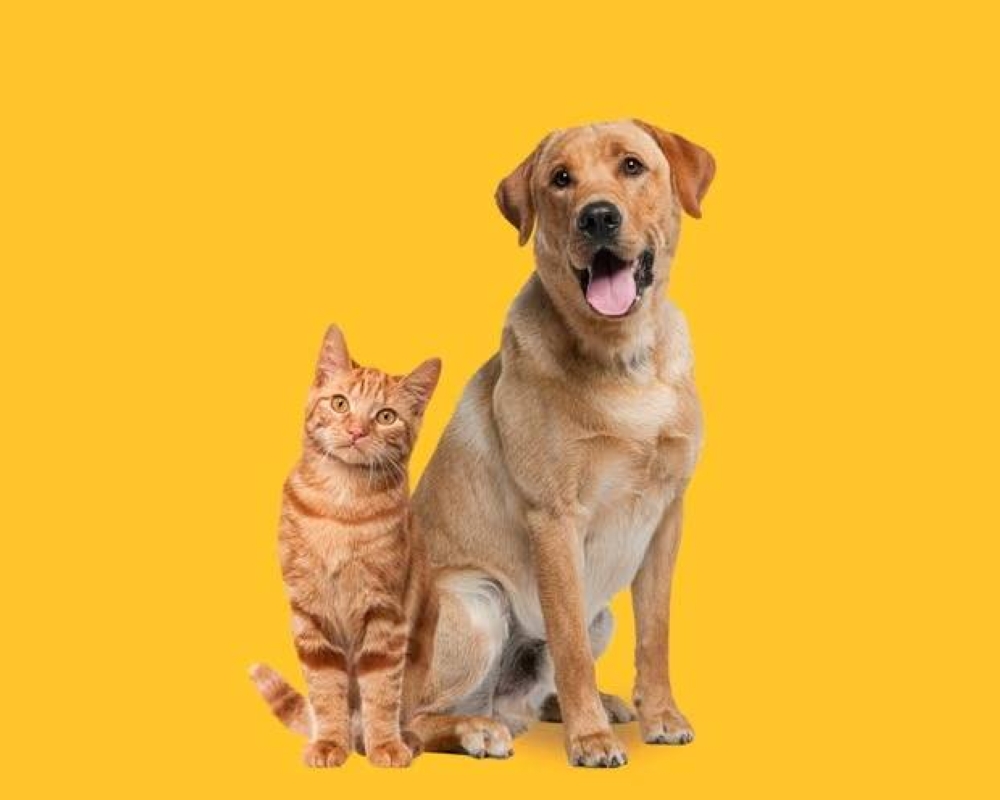
مع تقدم عمر السكان عالميًا وارتفاع معدلات الإصابة بالخرف، قد يكون العلماء اكتشفوا حليفًا غير متوقع في مكافحة التدهور المعرفي.
الحيوانات الأليفة، مثل القطط والكلاب، قد تلعب دورًا أكبر من مجرد توفير الرفقة، إذ تشير دراسة حديثة إلى أن امتلاكها قد يساهم في إبطاء التدهور المعرفي لدى كبار السن.
وكشفت الدراسة، التي نشرت في مجلة Scientific Reports، أن امتلاك كلب يرتبط بتحسين الذاكرة الفورية والمتأخرة، بينما يساعد امتلاك قطة في الحفاظ على طلاقة التعبير اللفظي.
ومع ذلك، لم تُظهر الحيوانات الأليفة الأخرى، مثل الأسماك أو الطيور، أي ارتباط واضح بإبطاء التدهور المعرفي.
أوضحت أدريانا روستيكوفا، الباحثة الرئيسية في الدراسة من جامعة جنيف، أن امتلاك الحيوانات الأليفة يرتبط بتأثير إيجابي على الوظائف المعرفية لدى كبار السن، لكن تأثير كل نوع من الحيوانات يختلف. واستندت الدراسة إلى بيانات من استطلاع الصحة والتقاعد في أوروبا، حيث تم تحليل العلاقة بين امتلاك الحيوانات الأليفة والتدهور المعرفي على مدى 18 عامًا لدى أشخاص تزيد أعمارهم على 50 عامًا.
وأشارت «روستيكوفا» إلى أن التفاعل مع القطط والكلاب يوفر تحفيزًا معرفيًا فريدًا، قد يكون أقل وضوحًا مع حيوانات أخرى مثل الأسماك أو الطيور، فعلى سبيل المثال، قد يؤثر قصر عمر الأسماك على الارتباط العاطفي بها، بينما قد يسبب ضجيج الطيور اضطرابات في النوم، مما يؤثر سلبًا على الصحة المعرفية. كما أن التفاعل مع الكلاب والقطط يعزز التواصل الاجتماعي، سواء من خلال المشي مع الكلب أو اعتبار القطة جزءًا من الشبكة الاجتماعية.
وتُعد هذه النتائج ذات أهمية خاصة في ظل التحديات التي تواجهها أنظمة الرعاية الصحية مع تزايد أعداد كبار السن وارتفاع معدلات الخرف. ويرى خبراء أن هذه الدراسة قد تغير نظرتنا إلى الشيخوخة الصحية، مع التركيز على أهمية الحيوانات الأليفة كجزء من نمط حياة صحي.
وعلق أندرو سكوت، مؤلف كتاب The Longevity Imperative، قائلاً: غالبًا ما نفكر في الصحة على أنها تتعلق بالأمراض والمستشفيات، لكن مع زيادة متوسط العمر، يجب أن نركز على التدابير الوقائية.
As the global population ages and rates of dementia rise, scientists may have discovered an unexpected ally in the fight against cognitive decline.
Pets, such as cats and dogs, may play a larger role than just providing companionship, as a recent study suggests that owning them may help slow cognitive decline in older adults.
The study, published in the journal Scientific Reports, revealed that owning a dog is associated with improved immediate and delayed memory, while owning a cat helps maintain verbal fluency.
However, other pets, such as fish or birds, did not show any clear association with slowing cognitive decline.
Adriana Rostikova, the lead researcher of the study from the University of Geneva, explained that pet ownership is linked to a positive effect on cognitive functions in older adults, but the impact of each type of animal varies. The study was based on data from the Survey of Health, Ageing and Retirement in Europe, where the relationship between pet ownership and cognitive decline was analyzed over 18 years among individuals aged 50 and older.
Rostikova noted that interaction with cats and dogs provides unique cognitive stimulation, which may be less apparent with other animals like fish or birds. For example, the short lifespan of fish may affect emotional attachment, while the noise from birds may disrupt sleep, negatively impacting cognitive health. Additionally, interaction with dogs and cats enhances social communication, whether through walking a dog or considering a cat as part of the social network.
These findings are particularly significant given the challenges faced by healthcare systems with the increasing numbers of older adults and rising rates of dementia. Experts believe this study could change our perspective on healthy aging, emphasizing the importance of pets as part of a healthy lifestyle.
Andrew Scott, author of The Longevity Imperative, commented: "We often think of health in terms of diseases and hospitals, but as life expectancy increases, we need to focus on preventive measures."