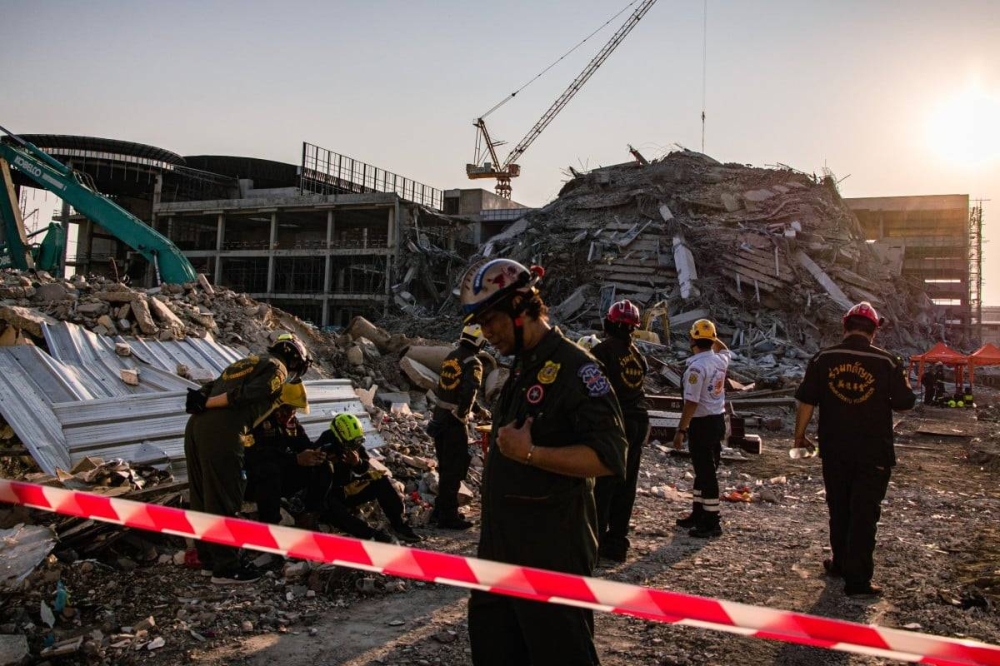
أعلنت رئيسة وزراء تايلند، بايتونغتارن شيناواترا، أن تحقيقات أجرتها وكالة حكومية وثلاث جامعات كشفت أن أخطاء في التصميم وأساليب البناء تسببت في انهيار مبنى قيد الإنشاء في بانكوك، مما أدى إلى مقتل 89 شخصًا على الأقل خلال زلزال بقوة 7.7 درجة ضرب وسط ميانمار في 28 مارس.
وأوضحت شيناواترا، خلال مؤتمر صحفي، اليوم الإثنين، أن جدران المصعد والسلالم، وهي هياكل أساسية لامتصاص القوى القصية، تم تصميمها وبناؤها بشكل غير صحيح، رغم أن جودة الفولاذ والخرسانة ومواد البناء الأخرى كانت مطابقة للمعايير.
وكتبت على وسائل التواصل الاجتماعي: الانهيار نجم عن عيوب في التصميم وأساليب البناء، خصوصاً عدم الالتزام بمبادئ ومعايير الهندسة في بناء جدار المصعد، كما نفت تقارير سابقة زعمت استخدام قضبان فولاذية دون المستوى.
كان المبنى المكون من 30 طابقًا مخصصًا لإيواء مكتب التدقيق الحكومي التايلندي، وكان الوحيد في العاصمة الذي انهار جراء الزلزال.
وقد أُلقي القبض على عدد من المسؤولين، بمن فيهم بريمشاي كارناسوتا، رئيس شركة إيطاليان-تاي ديفيلوبمنت، المتعاقد الرئيسي للمشروع، بعد إصدار مذكرات توقيف بحق أكثر من 12 شخصًا من المديرين التنفيذيين والمهندسين والمصممين والمشرفين بتهمة الإهمال الذي أدى إلى الانهيار وخسائر الأرواح.
كان المبنى يُشيد من قبل مشروع مشترك بين شركتي إيطاليان-تاي ديفيلوبمنت وتشاينا ريلواي نمبر 10 تايلند، بعد فوزهما بعقد بقيمة 2.14 مليار بات (65.75 مليون دولار أمريكي) في مزايدة تنافسية عام 2020، وبدأ البناء في العام نفسه.
وستُقدم لجنة تقصي الحقائق تقريرها إلى إدارة التحقيقات الخاصة والشرطة الملكية التايلندية لاتخاذ المزيد من الإجراءات.
The Prime Minister of Thailand, Prayut Chan-o-cha, announced that investigations conducted by a government agency and three universities revealed that design flaws and construction methods caused the collapse of a building under construction in Bangkok, resulting in the deaths of at least 89 people during a 7.7 magnitude earthquake that struck central Myanmar on March 28.
Chan-o-cha explained during a press conference on Monday that the elevator and stairwell walls, which are essential structures for absorbing shear forces, were designed and built incorrectly, although the quality of the steel, concrete, and other construction materials met standards.
She wrote on social media: the collapse was due to defects in design and construction methods, particularly the failure to adhere to engineering principles and standards in building the elevator wall, and she denied previous reports claiming the use of substandard steel bars.
The 30-story building was intended to house the Thai government audit office and was the only one in the capital that collapsed due to the earthquake.
Several officials have been arrested, including Premchai Karnasuta, the head of Italian-Thai Development, the main contractor for the project, after arrest warrants were issued for more than 12 executives, engineers, designers, and supervisors on charges of negligence that led to the collapse and loss of life.
The building was being constructed by a joint venture between Italian-Thai Development and China Railway No. 10 Thailand, after they won a contract worth 2.14 billion baht (65.75 million USD) in a competitive bidding process in 2020, with construction starting in the same year.
The fact-finding committee will submit its report to the Special Investigations Department and the Royal Thai Police for further action.