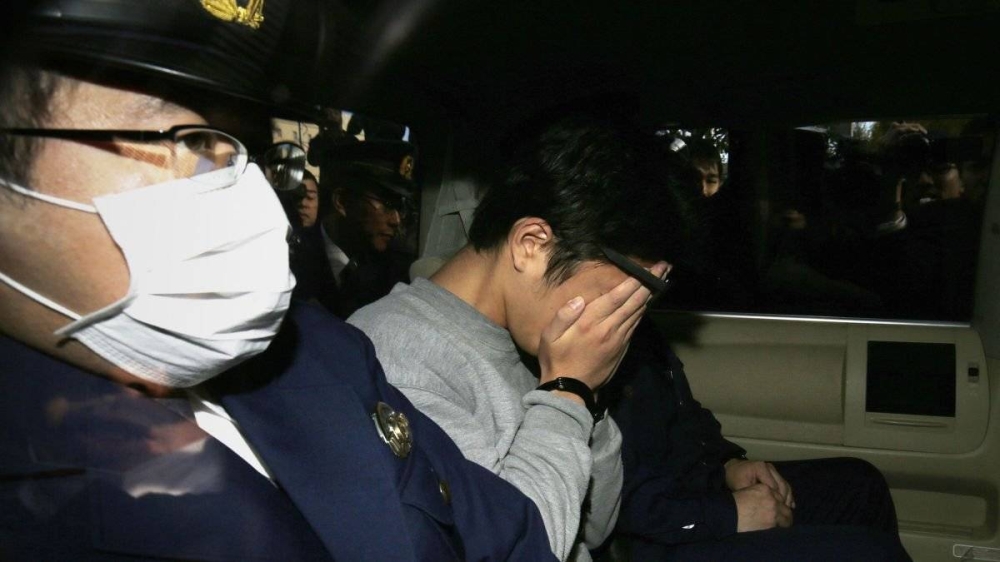
نفذت السلطات اليابانية اليوم (الجمعة) حكم الإعدام شنقاً بحق تاكاهيرو شيرايشي، الملقب بـ«قاتل تويتر»، المدان بقتل وتقطيع أوصال 8 نساء ورجل واحد في شقته بمدينة زاما بمحافظة كاناجاوا بالقرب من طوكيو عام 2017، وهو الإعدام الذي يعد الأول من نوعه في اليابان منذ يوليو 2022، وفقاً لهيئة الإذاعة والتلفزيون اليابانية.
بدأت القضية في عام 2017، عندما هزت جرائم تاكاهيرو شيرايشي، البالغ من العمر 34 عاماً وقت الإعدام، المجتمع الياباني بسبب بشاعتها وطبيعتها المروعة، حيث استهدف شيرايشي أشخاصاً عبروا عن أفكار انتحارية عبر منصة تويتر «إكس» حالياً، موهماً إياهم بأنه سيساعدهم على تحقيق رغباتهم الانتحارية أو حتى «الموت معهم».
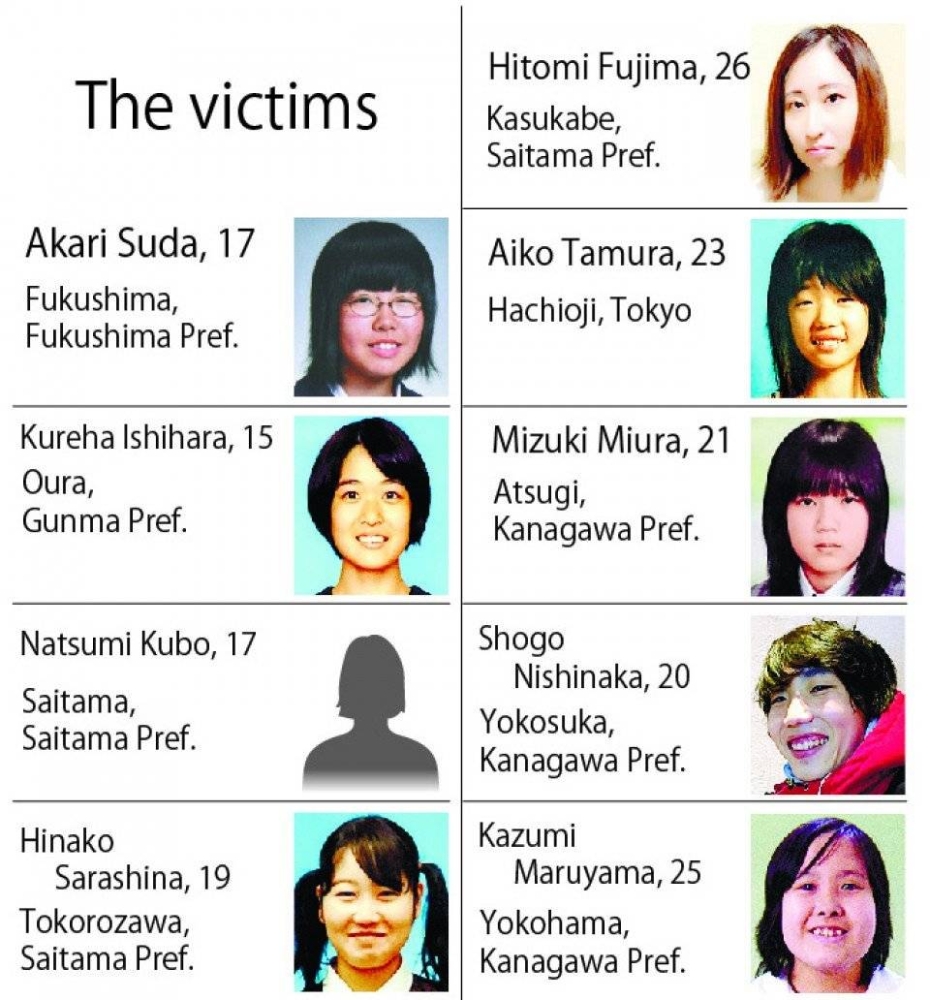
وبين أغسطس وأكتوبر 2017، استدرج 9 أشخاص، تتراوح أعمارهم بين 15 و26 عاماً، إلى شقته في زاما، حيث قام باغتصاب الضحايا الإناث، ثم خنقهم وقتلهم، وقطّع جثثهم وخزنها في صناديق تبريد وأدوات أخرى داخل شقته.
واكتُشفت الجرائم في أكتوبر 2017 خلال تحقيق الشرطة في اختفاء شابة تبلغ من العمر 23 عاماً، كانت قد كتبت تغريدة تعبر عن رغبتها في الانتحار، ونجح شقيقها في تتبع حسابها على تويتر، ما قاده إلى شيرايشي، حيث عثرت الشرطة على أشلاء الجثث في شقته، التي وصفتها وسائل إعلام يابانية بـ«بيت الرعب»، واعترف شيرايشي خلال التحقيقات بقتل الضحايا التسعة، مشيراً إلى أنه قام بتقطيع جثثهم إلى نحو 240 قطعة.
وفي ديسمبر 2020، أصدرت محكمة طوكيو الجزئية حكماً بالإعدام على شيرايشي بعد إدانته بـ9 تهم بالقتل، إضافة إلى الاعتداء الجنسي على الضحايا الإناث، ورفض القاضي ناوكوني يانو مزاعم محامي الدفاع بأن الضحايا وافقوا على قتلهم، مؤكداً أن التشريح أظهر مقاومة الضحايا، ووصف الجرائم بأنها «بالغة الخطورة» و«داست على كرامة الضحايا» ولم يستأنف شيرايشي الحكم، بل أعرب عن قبوله به.
ونفذ الإعدام في سجن طوكيو بسرية تامة، وهي ممارسة شائعة في اليابان، حيث لا يتم الكشف عن تفاصيل الإعدام حتى اكتماله. وقال وزير العدل الياباني كيسوكي سوزوكي إنه اتخذ قرار الإعدام بعد «فحصٍ متأنٍ»، مشيراً إلى الدافع «الأناني للغاية» لشيرايشي، والصدمة الكبيرة التي تسببت بها جرائمه للمجتمع الياباني.
The Japanese authorities executed Takahiro Shiraishi, known as the "Twitter Killer," by hanging today (Friday). He was convicted of killing and dismembering 8 women and one man in his apartment in Zama, Kanagawa Prefecture, near Tokyo, in 2017. This execution is the first of its kind in Japan since July 2022, according to the Japan Broadcasting Corporation.
The case began in 2017 when the crimes of Takahiro Shiraishi, who was 34 years old at the time of execution, shocked Japanese society due to their brutality and horrific nature. Shiraishi targeted individuals who expressed suicidal thoughts on the Twitter platform (now X), deceiving them into believing he would help them fulfill their suicidal desires or even "die with them."
Between August and October 2017, he lured 9 people, aged between 15 and 26, to his apartment in Zama, where he raped the female victims, then strangled and killed them, dismembered their bodies, and stored them in coolers and other tools inside his apartment.
The crimes were discovered in October 2017 during a police investigation into the disappearance of a 23-year-old woman who had tweeted about her desire to commit suicide. Her brother managed to trace her Twitter account, which led him to Shiraishi. The police found body parts in his apartment, which Japanese media described as a "house of horror." Shiraishi confessed during the investigations to killing the nine victims, stating that he had dismembered their bodies into about 240 pieces.
In December 2020, the Tokyo District Court sentenced Shiraishi to death after convicting him of 9 counts of murder, in addition to sexual assault on the female victims. Judge Naokuni Yano rejected the defense attorney's claims that the victims had consented to their killings, emphasizing that the autopsy showed signs of resistance from the victims. He described the crimes as "extremely serious" and "trampled on the dignity of the victims." Shiraishi did not appeal the verdict but expressed his acceptance of it.
The execution was carried out in Tokyo Prison under complete secrecy, a common practice in Japan, where details of the execution are not disclosed until it is completed. Japanese Justice Minister Keisuke Suzuki stated that he made the decision to execute after "careful examination," pointing to Shiraishi's "extremely selfish" motives and the significant shock his crimes caused to Japanese society.