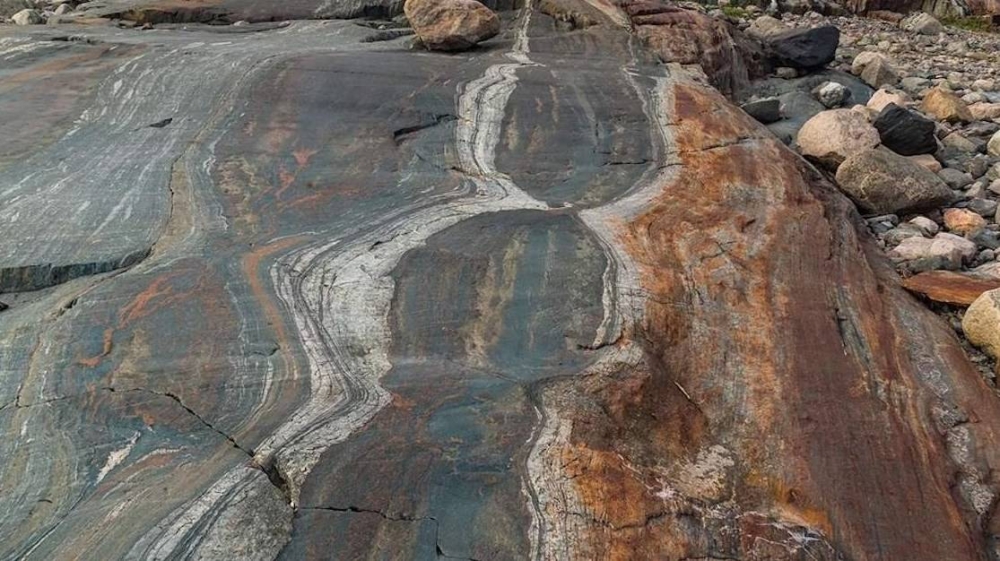
كشفت اختبارات علمية حديثة، نُشرت نتائجها، الخميس، في مجلة «ساينس» العلمية المرموقة، أن حزامًا من الصخور البركانية في إقليم «كيبيك» شمال شرقي كندا يُعد أقدم الصخور المعروفة على وجه الأرض.
ويمتد هذا الحزام الصخري على الشاطئ الشرقي لخليج هدسون، بالقرب من بلدة إنويتية تُدعى إينوكغواك، ويتميّز بمزيج من الألوان، أبرزها الأخضر الداكن والفاتح، بالإضافة إلى الوردي والأسود في بعض المواضع.
وأظهرت طريقتا تحليل مختلفتان أن صخور منطقة تُعرف باسم «حزام نوفواجيتوك الأخضر» في شمالي كيبيك تعود إلى نحو 4.16 مليار سنة.
وأشار الباحثون إلى أن هذا الحزام الصخري يحتوي على بقايا من أقدم قشرة أرضية معروفة، وهي القشرة الخارجية الصلبة لكوكب الأرض.
وتُعد صخور نوفواجيتوك في الأساس صخورًا بركانية متحوّلة ذات تركيبة بازلتية، أي أنها خضعت لتحولات بفعل الحرارة والضغط مع مرور الزمن، فيما يُعد البازلت من أكثر أنواع الصخور البركانية شيوعًا.
وتبيّن أن الصخور التي شملتها الدراسة تشكّلت من صخور منصهرة اخترقت طبقات صخرية أقدم، ثم بردت وتصلّبت تحت سطح الأرض.
واستخدم الباحثون طريقتين لتأريخ الصخور، بالاعتماد على تحليل الاضمحلال الإشعاعي لعنصري الساماريوم والنيوديميوم الموجودين فيها.
وتوصلت الطريقتان إلى نتيجة متطابقة تفيد بأن عمر هذه الصخور يبلغ 4.16 مليار سنة.
وقال قائد فريق البحث، أستاذ الجيولوجيا في جامعة أوتاوا، جوناثان أونيل: «يوفر هذا الحزام الصخري نافذة فريدة على أقدم العصور في تاريخ كوكبنا، ويساعدنا على فهم أفضل لكيفية تشكّل القشرة الأرضية الأولى».
ورجّح أونيل أن تكون هذه الصخور قد تشكّلت عندما هطل المطر على الصخور المنصهرة، ما أدى إلى تبريدها وتصلّبها. وربما تكون تلك الأمطار قد نشأت من مياه تبخّرت من بحار كانت تغطي الأرض في بداياتها.
وأضاف: «بما أن بعض هذه الصخور قد تشكّل أيضًا نتيجة ترسيب مياه البحار القديمة، فإنها قد تساعدنا في فهم كيفية تشكّل المحيطات الأولى ودرجات الحرارة السائدة آنذاك، وربما توفّر أدلة على الظروف التي بدأت فيها الحياة على الأرض».
وأشار إلى أن أقدم الصخور المعروفة قبل هذه الدراسة يعود تاريخها إلى نحو 4.03 مليار سنة، وتقع في المنطقة الشمالية الغربية من كندا.
Recent scientific tests, the results of which were published on Thursday in the prestigious journal "Science," revealed that a belt of volcanic rocks in the "Quebec" region of northeastern Canada is considered the oldest known rocks on Earth.
This rocky belt extends along the eastern shore of Hudson Bay, near an Inuit town called Inukjuak, and is characterized by a mix of colors, primarily dark and light green, along with pink and black in some areas.
Two different analytical methods showed that the rocks from an area known as the "Nuvujitok Greenstone Belt" in northern Quebec date back to about 4.16 billion years.
The researchers indicated that this rocky belt contains remnants of the oldest known crust, which is the solid outer shell of the Earth.
The Nuvujitok rocks are essentially metamorphosed volcanic rocks with a basaltic composition, meaning they have undergone transformations due to heat and pressure over time, with basalt being one of the most common types of volcanic rocks.
It was found that the rocks included in the study formed from molten rocks that penetrated older rock layers, then cooled and solidified beneath the Earth's surface.
The researchers used two methods to date the rocks, relying on the analysis of the radioactive decay of the elements samarium and neodymium present in them.
Both methods reached a consistent conclusion indicating that the age of these rocks is 4.16 billion years.
Jonathan O'Neill, the leader of the research team and a geology professor at the University of Ottawa, stated: "This rocky belt provides a unique window into the earliest eras in the history of our planet and helps us better understand how the Earth's first crust formed."
O'Neill suggested that these rocks may have formed when rain fell on molten rocks, leading to their cooling and solidification. These rains may have originated from water that evaporated from seas that covered the Earth in its early days.
He added: "Since some of these rocks may have also formed as a result of the deposition of ancient sea waters, they could help us understand how the first oceans formed and the prevailing temperatures at that time, and may provide clues about the conditions under which life began on Earth."
He noted that the oldest known rocks before this study date back to about 4.03 billion years and are located in the northwestern region of Canada.