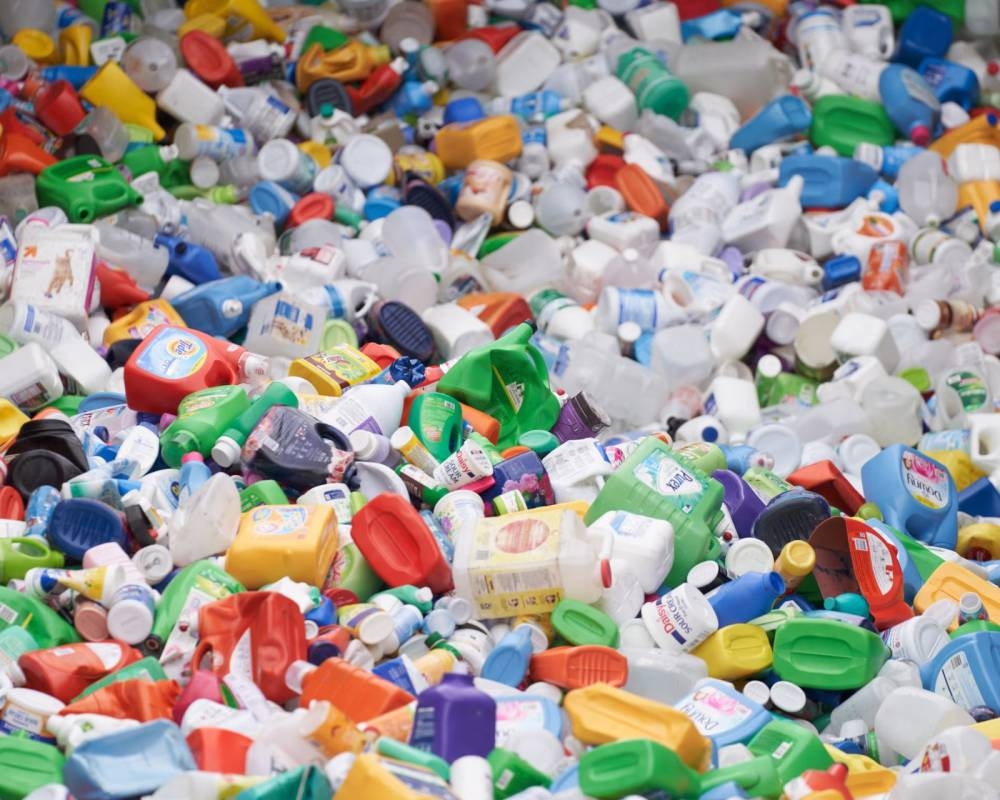
كشف باحثون عن اكتشاف مبتكر يتيح استخدام بكتيريا الإشريكية القولونية (E. coli) لتحويل النفايات البلاستيكية إلى الباراسيتامول، وهو مسكّن ألم شائع يُعرف أيضًا باسم الأسيتامينوفين، مما يفتح آفاقًا لإنتاج أدوية بطريقة أكثر استدامة وبيئية.
وأوضح البروفيسور ستيفن والاس، قائد الدراسة من جامعة إدنبرة، أن الباراسيتامول يُستخلص حاليًا من النفط، وهي عملية غير مستدامة.
وقال والاس: «هذا الاكتشاف يُظهر لأول مرة كيف يمكن لتكامل الكيمياء والبيولوجيا أن ينتج الباراسيتامول بطريقة صديقة للبيئة، مع إعادة تدوير النفايات البلاستيكية في الوقت ذاته».
نُشرت الدراسة في مجلة Nature Chemistry، حيث أفاد الباحثون بأنهم اكتشفوا أن تفاعلًا كيميائيًا يُعرف بـ«إعادة ترتيب لوسن»، وهو تفاعل لم يُرصد من قبل في الطبيعة، يمكن أن يتم في وجود خلايا حية دون الإضرار بها.
بدأت التجربة بتحويل البولي إيثيلين تيريفثاليت (PET)، وهو نوع من البلاستيك المستخدم في زجاجات المشروبات وتغليف الأغذية، إلى مادة جديدة باستخدام طرق كيميائية مستدامة.
عندما تم تهيئة هذه المادة مع سلالة غير ضارة من بكتيريا الإشريكية القولونية، تحولت إلى مادة تُعرف باسم PABA، وهي مادة أساسية لنمو البكتيريا وتخليق الحمض النووي.
وفي مفاجأة علمية، تبين أن هذا التحول تضمن إعادة ترتيب لوسن، والذي حدث تلقائيًا بفضل وجود الفوسفات داخل الخلايا البكتيرية، دون الحاجة إلى الظروف القاسية المعتادة في المختبرات.
وتم تعديل البكتيريا وراثيًا لمنعها من إنتاج PABA داخليًا، مما أجبرها على الاعتماد على المادة المستخلصة من البلاستيك.
ثم أدخل الباحثون جينين إضافيين من الفطريات وبكتيريا التربة، مما مكّن البكتيريا من تحويل PABA إلى الباراسيتامول في أقل من 24 ساعة، مع انبعاثات منخفضة وإنتاجية تصل إلى 92%.
ويُعد هذا الاكتشاف خطوة واعدة نحو إنتاج أدوية مستدامة، حيث يتيح تحويل النفايات البلاستيكية إلى مواد بيولوجية مفيدة.
ورغم الحاجة إلى مزيد من الأبحاث لتطبيق هذه العملية تجاريًا، يؤكد والاس أن هذا النهج يجمع بين الكيمياء والبيولوجيا بطريقة غير مسبوقة، مما يساهم في تنظيف البيئة وإنتاج أدوية بكفاءة عالية.
Researchers have revealed an innovative discovery that allows the use of Escherichia coli (E. coli) bacteria to convert plastic waste into paracetamol, a common pain reliever also known as acetaminophen, opening up prospects for producing medicines in a more sustainable and environmentally friendly way.
Professor Stephen Wallace, the study leader from the University of Edinburgh, explained that paracetamol is currently extracted from oil, a process that is not sustainable.
Wallace stated, “This discovery shows for the first time how the integration of chemistry and biology can produce paracetamol in an environmentally friendly way while recycling plastic waste at the same time.”
The study was published in the journal Nature Chemistry, where the researchers reported that they discovered a chemical reaction known as "Lusson rearrangement," a reaction that had not been observed in nature before, can occur in the presence of living cells without harming them.
The experiment began by converting polyethylene terephthalate (PET), a type of plastic used in beverage bottles and food packaging, into a new material using sustainable chemical methods.
When this material was introduced to a harmless strain of Escherichia coli bacteria, it transformed into a substance known as PABA, which is essential for bacterial growth and DNA synthesis.
In a scientific surprise, it turned out that this transformation involved a Lusson rearrangement, which occurred spontaneously thanks to the presence of phosphate within the bacterial cells, without the need for the harsh conditions typically required in laboratories.
The bacteria were genetically modified to prevent them from producing PABA internally, forcing them to rely on the substance extracted from plastic.
The researchers then introduced two additional genes from fungi and soil bacteria, enabling the bacteria to convert PABA into paracetamol in less than 24 hours, with low emissions and a productivity rate of up to 92%.
This discovery represents a promising step towards sustainable drug production, as it allows for the conversion of plastic waste into useful biological materials.
Although further research is needed to commercially apply this process, Wallace emphasizes that this approach combines chemistry and biology in an unprecedented way, contributing to environmental cleanup and the efficient production of medicines.