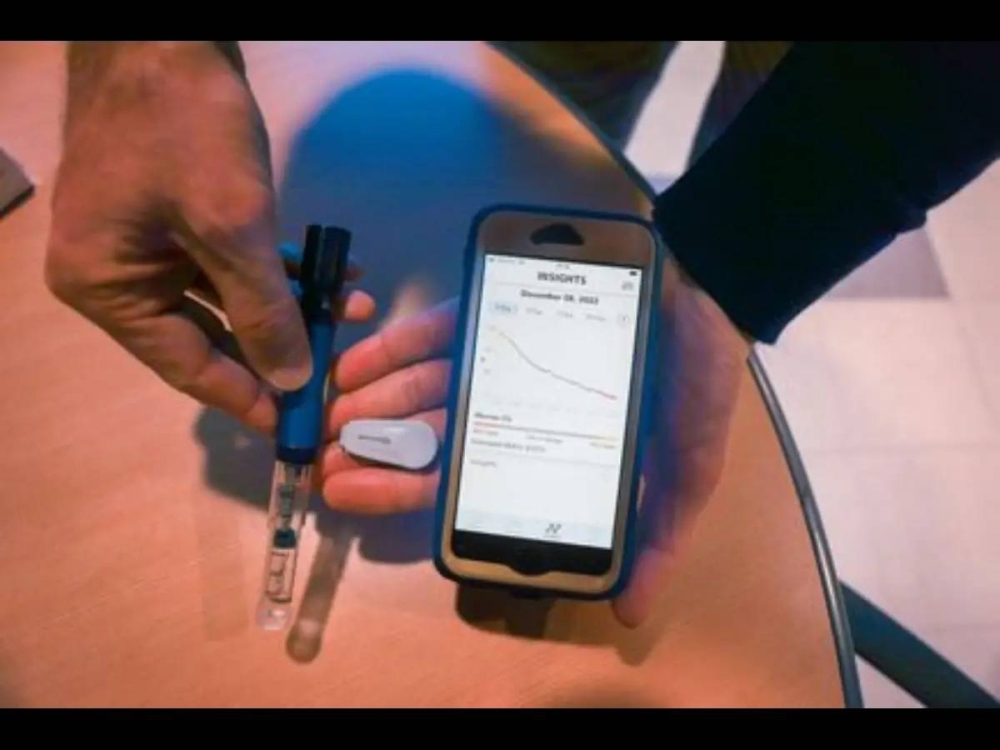
نجح فريق بحثي ياباني من جامعة «كيوتو» للطب في تطوير تطبيق إلكتروني مبتكر، يتنبأ بدقة بخطر الإصابة بمرض السكري من النوع الثاني، خلال 10 سنوات.
ووفقاً للفريق البحثي، يستهدف هذا التطبيق الأشخاص الذين تبلغ أعمارهم 40 عاماً فأكثر، إذ يمكنهم إدخال بيانات بسيطة من الفحص الطبي للحصول على النتائج، ومن المتوقع أن يسهم ذلك في مساعدة المستخدمين على تحديد المخاطر مبكراً، واتخاذ التدابير الوقائية اللازمة.
وقال الفريق: تابعنا حالة 72124 موظفاً تبلغ أعمارهم 40 عاماً أو أكثر في إحدى شركات تصنيع الإلكترونيات الكبرى لمدة 10 سنوات، وظهر أن 5133 منهم أصيبوا بالسكري، وبناءً على هذه البيانات، طورنا التطبيق الإلكتروني الذي يمكنه حساب خطر الإصابة بمرض السكري من النوع الثاني بدقة، استناداً إلى عدة عوامل منها العمر، ومؤشر كتلة الجسم (مستوى السمنة)، وضغط الدم الانقباضي، والدهون الثلاثية، وHDL، وALT، ونسبة السكر في الدم أثناء الصيام، وزيادة الوزن، وحالة التدخين.
وينقسم مرض السكري على نطاق واسع إلى النوع الأول، الذي يكون فيه إفراز الإنسولين من خلايا البنكرياس قليلاً جداً، والنوع الثاني، الذي يكون لعادات نمط الحياة مثل النظام الغذائي والافتقار إلى التمارين الرياضية تأثير كبير في الإصابة به.
يذكر أن مرض السكري من النوع الثاني هو حالة مزمنة إذ لا يستطيع الجسم استخدام الإنسولين بشكل فعال أو لا ينتج ما يكفي منه، ما يؤدي إلى ارتفاع مستويات السكر في الدم، وهو أكثر أنواع السكري شيوعاً ويمثل حوالى 90% من حالات مرض السكري حول العالم.
A Japanese research team from Kyoto University of Medicine has successfully developed an innovative electronic application that accurately predicts the risk of developing type 2 diabetes within 10 years.
According to the research team, this application targets individuals aged 40 and older, allowing them to input simple data from a medical examination to obtain results. It is expected to help users identify risks early and take necessary preventive measures.
The team stated: "We tracked the health of 72,124 employees aged 40 and older at a major electronics manufacturing company for 10 years, and it was found that 5,133 of them developed diabetes. Based on this data, we developed the electronic application that can accurately calculate the risk of developing type 2 diabetes, based on several factors including age, body mass index (level of obesity), systolic blood pressure, triglycerides, HDL, ALT, fasting blood sugar levels, weight gain, and smoking status."
Diabetes is broadly divided into type 1, where insulin secretion from the pancreas is very low, and type 2, which is significantly influenced by lifestyle habits such as diet and lack of exercise.
It is worth noting that type 2 diabetes is a chronic condition in which the body cannot use insulin effectively or does not produce enough of it, leading to elevated blood sugar levels. It is the most common type of diabetes, accounting for about 90% of diabetes cases worldwide.