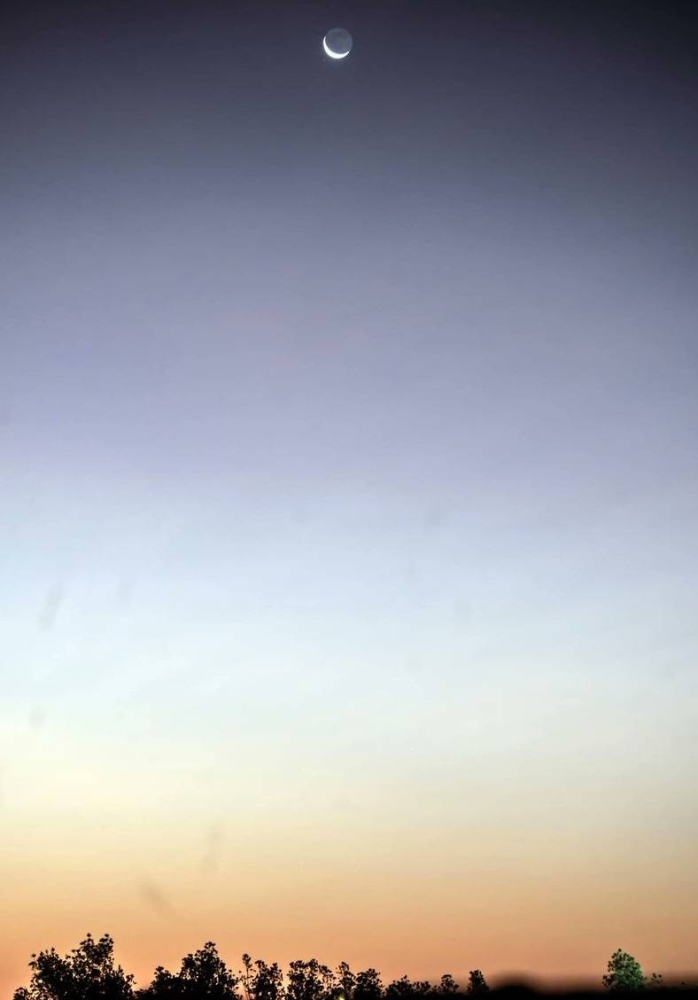
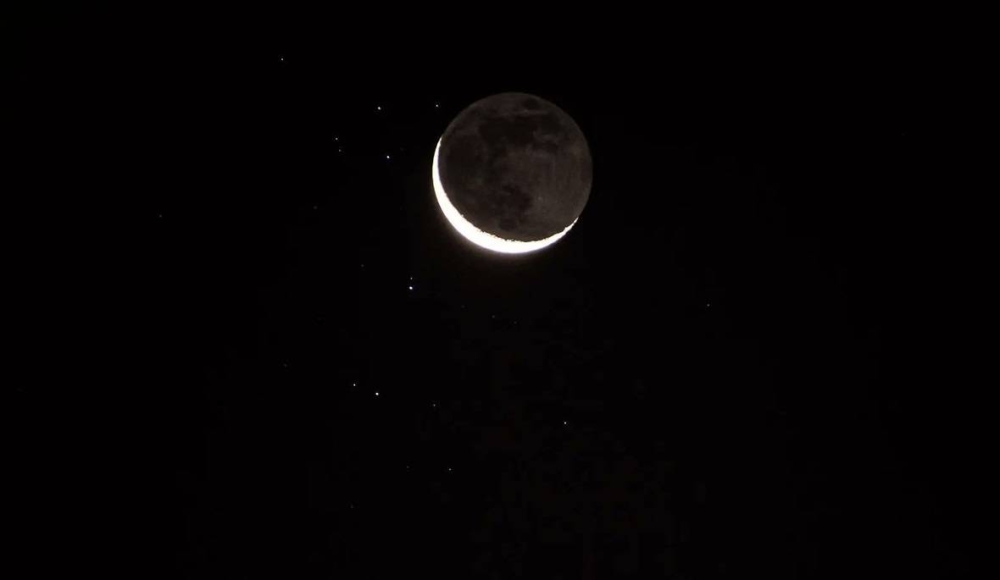
شهدت سماء منطقة الحدود الشمالية فجر اليوم ظاهرة فلكية مميزة تمثلت في اقتران هلال شهر ذي الحجة المتناقص مع عنقود «الثريا»، في مشهد بديع جذب أنظار المتابعين والمهتمين بعلم الفلك.
ورُصِد القمر وهو يحجب جزءاً من نجوم الثريا، في ما يُعرف في تراث أهل جزيرة العرب وبادية الشام بـ«قران 25»، نسبةً إلى اقتران القمر بعنقود الثريا عندما يبلغ عمره 25 يوماً فأكثر.
ووفقاً لحسابات الرصد، بدأت مراحل هذا الاقتران السبت 21 يونيو 2025، عند الساعة 16:00، وبلغ ذروته فجر اليوم، حين بلغ عمر القمر 26 يوماً و21 ساعة، وكان في مرحلة «الهلال المتناقص».
وأوضح عضو نادي الفلك والفضاء عدنان خليفة أن هذا الاقتران يُعدُّ أول قران قمري بعنقود الثريا بعد «الكنة»، وهي فترة فلكية حرجة في تقويم البادية تُحدَّد على أساسها بداية حساب المواسم الزراعية والرعوية، ما يمنح هذه الظاهرة أهمية كبرى لدى المزارعين والمهتمين بحساب النجوم.
وتُجسّد مثل هذه الظواهر ارتباط الإنسان في الجزيرة العربية قديماً بمراقبة السماء لتحديد فصول السنة ومواعيد الزراعة والأنواء، حيث تمثّل الثريا والقمر مرجعية فلكية رئيسية في هذا التراث الغني.
This morning, the sky over the Northern Borders region witnessed a remarkable astronomical phenomenon represented by the conjunction of the waning crescent of the month of Dhul-Hijjah with the Pleiades cluster, in a beautiful scene that captured the attention of observers and those interested in astronomy.
The moon was observed blocking part of the stars of the Pleiades, in what is known in the heritage of the people of the Arabian Peninsula and the Badia of the Levant as "Quran 25," referring to the conjunction of the moon with the Pleiades cluster when it is 25 days old or more.
According to observational calculations, the stages of this conjunction began on Saturday, June 21, 2025, at 16:00, and reached its peak early this morning, when the moon was 26 days and 21 hours old, in the "waning crescent" phase.
Adnan Khalifa, a member of the Astronomy and Space Club, explained that this conjunction is considered the first lunar conjunction with the Pleiades cluster after "Al-Kannah," which is a critical astronomical period in the Bedouin calendar that determines the beginning of agricultural and pastoral seasons, giving this phenomenon great importance to farmers and those interested in star calculations.
Such phenomena embody the ancient connection of humans in the Arabian Peninsula with observing the sky to determine the seasons and the timing of agriculture and weather patterns, where the Pleiades and the moon represent a major astronomical reference in this rich heritage.