


في زمانٍ كثرت فيه المطابع، ظل عثمان عبده حسين طه يكتب القرآن بيده، حرفًا حرفًا، بخطٍّ نقيّ رصين، ليكون شاهِدًا على الجمال المُهاب، وعلامة فارقة في ذاكرة المصاحف.
وُلد في ريف حلب عام 1352هـ (1934م)، وتعلّم الخط العربي في سن مبكرة، حتى تتلمذ على كبار الخطاطين، ونال شهاداته العليا في الشريعة الإسلامية من دمشق، ثم تخصّص في فن الخط متفرغًا له بإتقانٍ نادر.
عام 1400هـ، كتب المصحف الشريف لأول مرة بخط يده الكريم، ومنذ ذلك الحين نُسخت عشرات الملايين من المصاحف بخطه، فدخل كل بيت مسلم، وكل مسجد، وكل محراب، وأصبح صوته الصامت الذي يرتّله الناس في مشارق الأرض ومغاربها.
ما يجهله الكثيرون، أن خطه الشريف لم يكن مجرد إبداع فني، بل سَفرٌ من الانضباط، والدقة، والتفرغ التام لخدمة كتاب الله. وبين كل نسخة كتبها، كانت مكة حاضرة، والمدينة شاهدة، والرحلة محفوفة بالإجلال.
عثمان طه لم يعلُ منبرًا، لكنه خطّ المصاحف التي عُلّقت في صدور الأمة. لم يرفَع صوتًا، لكن قلمه نادى بالحرف إلى الله، فسمعه القاصي والداني.
#في_ذاكرة_الحج
عثمان طه.. اليد التي كتبت القرآن وأبقت أثرها في قلوب المسلمين
9 يونيو 2025 - 03:05
|
آخر تحديث 9 يونيو 2025 - 03:05
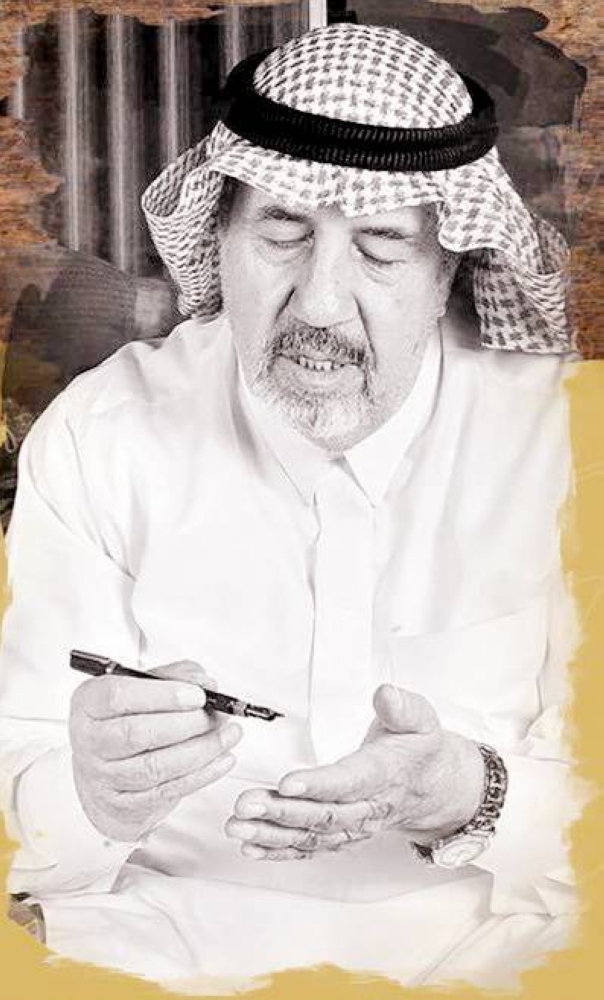
عثمان طه


تابع قناة عكاظ على الواتساب
عكاظ (جدة) Okaz_online@
In a time when printing presses were abundant, Othman Abdo Hussein Taha continued to write the Quran by hand, letter by letter, in a pure and elegant script, to serve as a testament to the revered beauty and a distinctive mark in the memory of the Qurans.
He was born in the countryside of Aleppo in the year 1352 AH (1934 AD), and learned Arabic calligraphy at an early age, eventually studying under the masters of calligraphy. He earned his higher degrees in Islamic law from Damascus, then specialized in the art of calligraphy, dedicating himself to it with rare proficiency.
In the year 1400 AH, he wrote the Holy Quran for the first time in his esteemed handwriting, and since then, tens of millions of Qurans have been copied in his script, entering every Muslim home, every mosque, and every prayer niche, becoming the silent voice that people recite across the east and west of the earth.
What many do not know is that his noble script was not merely an artistic creation, but a journey of discipline, precision, and complete dedication to serving the Book of God. With every copy he wrote, Mecca was present, and the city was a witness, and the journey was surrounded by reverence.
Othman Taha did not ascend a pulpit, but he wrote the Qurans that were cherished in the hearts of the nation. He did not raise his voice, but his pen called out to God with each letter, and it was heard by all, near and far.
He was born in the countryside of Aleppo in the year 1352 AH (1934 AD), and learned Arabic calligraphy at an early age, eventually studying under the masters of calligraphy. He earned his higher degrees in Islamic law from Damascus, then specialized in the art of calligraphy, dedicating himself to it with rare proficiency.
In the year 1400 AH, he wrote the Holy Quran for the first time in his esteemed handwriting, and since then, tens of millions of Qurans have been copied in his script, entering every Muslim home, every mosque, and every prayer niche, becoming the silent voice that people recite across the east and west of the earth.
What many do not know is that his noble script was not merely an artistic creation, but a journey of discipline, precision, and complete dedication to serving the Book of God. With every copy he wrote, Mecca was present, and the city was a witness, and the journey was surrounded by reverence.
Othman Taha did not ascend a pulpit, but he wrote the Qurans that were cherished in the hearts of the nation. He did not raise his voice, but his pen called out to God with each letter, and it was heard by all, near and far.


