طالما داهم مرض السكّري من النوع الأول العائلات من دون سابق إنذار، ودفع أطفالا وشبابا إلى غرف العناية المركزة فجأة، لكن طريقة التعامل مع هذا المرض القديم تشهد تحوّلا جوهريا ونقلة نوعية في عصرنا الحالي، وبدأت تبرز إمكانية تأجيل ظهوره لمتوسط فترة تتراوح من سنتين الى سنتين و7 أشهر لدى الفئات المعرضة، ما يمثل نافذة أمل حقيقية لإعادة تشكيل استراتيجيات الوقاية الصحية.
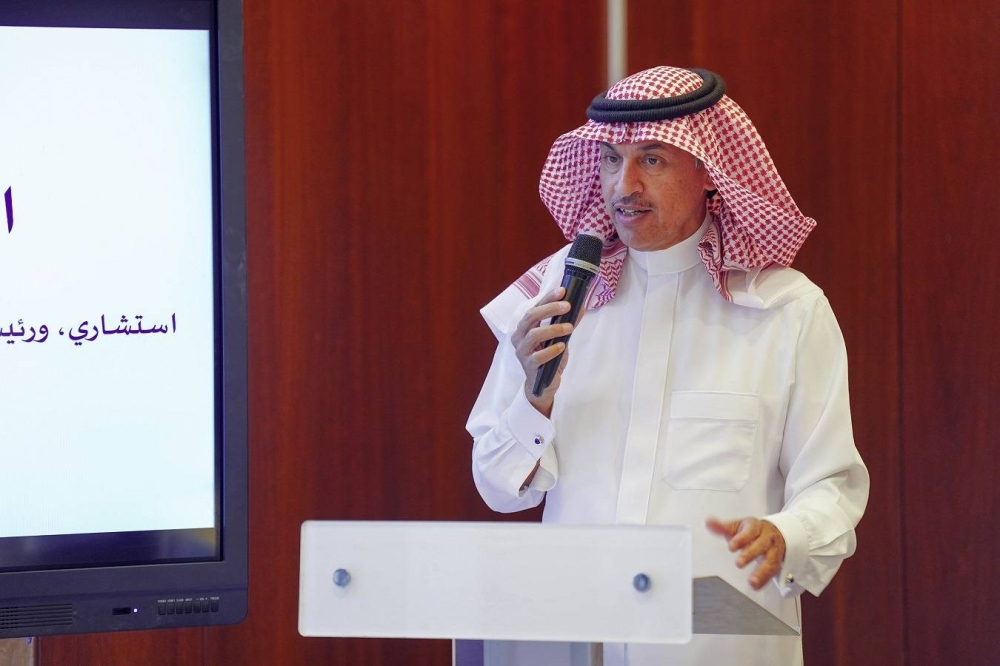
ووفقاً للدكتور بسام صالح بن عباس، استشاري الغدد الصماء والسكري، فإن هذا العلاج المناعي الجديد يشكل نقلة نوعية في التعامل مع داء السكري من النوع الأول، لاسيما أنه لا يُعالج الأعراض فحسب، بل يستهدف جذر الخلل المناعي الذي يؤدي إلى المرض، عبر تثبيط الأجسام المضادة التي تهاجم خلايا البنكرياس المنتجة للإنسولين.
ويشير الدكتور بسام إلى أن ما يميّز هذا العلاج هو بروتوكوله المبسط وفعاليته العالية، إذ يُعطى بشكل يومي لمدة 14 يوماً للأطفال والبالغين من عمر 8 سنوات فما فوق، وتُشترط نتائج فحوصات تؤكد وجود جسمين مضادين على الأقل كمؤشر خطر. وتُعد هذه المؤشرات قابلة للرصد في مرحلة «ما قبل السكري»، وهي المرحلة التي لا تظهر فيها أي أعراض سريرية، ما يعزّز أهمية الكشف المبكر كمدخل أساسي للوقاية.
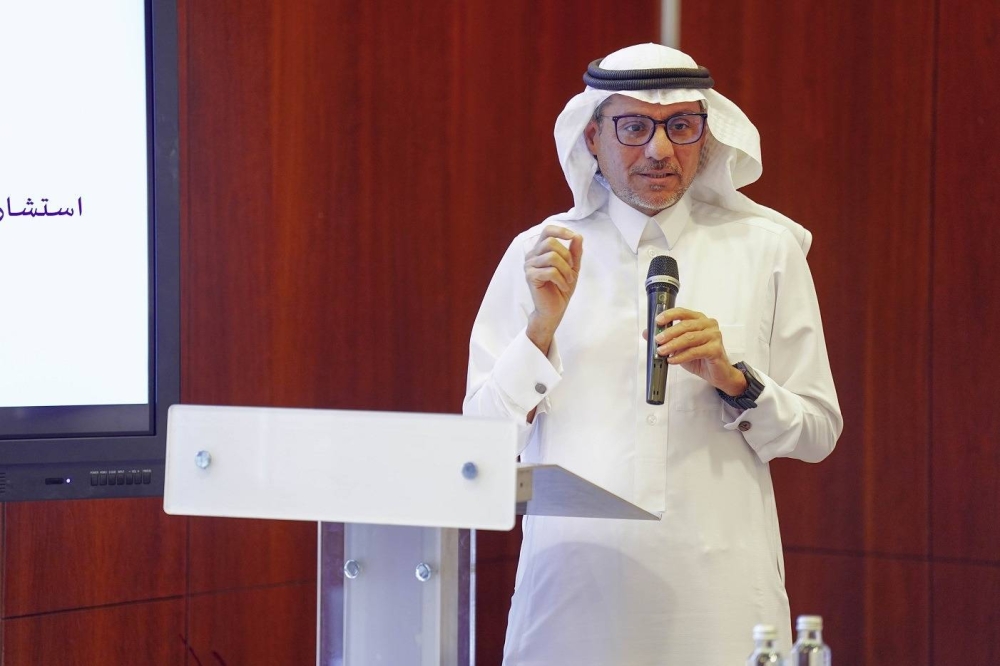
في حين يرى الدكتور محمد الحربي، استشاري الغدد الصماء وسكر الأطفال وأستاذ مساعد في جامعة دار العلوم، أن هذا التقدم العلاجي يعيد تعريف مفهوم الوقاية، حيث لم تكن أي من المحاولات السابقة، مثل إعطاء الإنسولين عن طريق الفم أو الوريد، أو تعديل النظام الغذائي، قادرة على منع الإصابة بالسكري من النوع الأول. لكن مع هذا العلاج المناعي الجديد أصبح بالإمكان تأجيل المرحلة الثالثة من المرض وتأخير الاعتماد الكامل على الإنسولين، ما يمنح المرضى فترة حماية ثمينة.
وتُشير الأرقام إلى أن نحو 90٪ من المصابين بالسكري من النوع الأول ليس لديهم تاريخ عائلي للمرض، ما يعزز الدعوات لتوسيع نطاق الكشف المبكر ليشمل المجتمع بأكمله، من دون أن يقتصر على أقارب المرضى، وهي الفئة التي انطلقت منها البروتوكولات الجديدة في مستشفى الملك فيصل.
وتحمل رسالة الأطباء بعداً إنسانياً كذلك، فعبارة «زراعة الأمل» تشير إلى الزراعة الوحيدة التي يصاحبها تحفيز للمناعة لا تثبيطاً لها كما في زراعة الأعضاء، لأنها تبعث الأمل في نفوس الأطفال وأسرهم، وتعكس عمق الأثر الذي يحمله هذا التقدم العلاجي، لا كمجرد إنجاز طبي، بل كحراك وطني نحو تحصين الأجيال.
وفي الختام، فإن العلاج الوقائي الجديد هذا يمثل نقلة نوعية في مواجهة السكري من النوع الأول، ليس فقط من خلال فاعليته في تأجيل الإصابة، بل أيضاً بما يحمله من تحول في فلسفة التعامل مع المرض، ما يعكس رؤية صحية شاملة تقوم على الوقاية قبل العلاج، وتسعى إلى تحسين جودة الحياة للفئات المعرضة للإصابة. كما يقدم فرصة حقيقية لتأسيس برنامج وطني للكشف المبكر والوقاية، يُعيد تعريف مستقبل التعامل مع السكري المزمن، ويسهم في تحقيق مستهدفات الرؤية الطموحة للمملكة العربية السعودية في المجال الصحي.
For a long time, type 1 diabetes has struck families without warning, suddenly sending children and young people to intensive care units. However, the way we deal with this ancient disease is witnessing a fundamental transformation and a qualitative leap in our current era. The possibility of delaying its onset for an average period ranging from two years to two years and seven months among at-risk groups is starting to emerge, representing a real window of hope for reshaping health prevention strategies.
According to Dr. Bassam Saleh bin Abbas, an endocrinology and diabetes consultant, this new immunotherapy represents a qualitative leap in dealing with type 1 diabetes, especially since it does not just treat the symptoms but targets the root of the immune dysfunction that leads to the disease by inhibiting the antibodies that attack the insulin-producing pancreatic cells.
Dr. Bassam points out that what distinguishes this treatment is its simplified protocol and high effectiveness, as it is administered daily for 14 days to children and adults aged 8 years and older, with test results required to confirm the presence of at least two antibodies as an indicator of risk. These indicators can be monitored in the "prediabetes" stage, which is the stage where no clinical symptoms appear, emphasizing the importance of early detection as a fundamental entry point for prevention.
Meanwhile, Dr. Mohammed Al-Harbi, an endocrinology consultant and pediatric diabetes specialist and assistant professor at Dar Al Uloom University, believes that this therapeutic advancement redefines the concept of prevention, as none of the previous attempts, such as administering insulin orally or intravenously or modifying the diet, were able to prevent the onset of type 1 diabetes. However, with this new immunotherapy, it has become possible to delay the third stage of the disease and postpone full reliance on insulin, granting patients a valuable period of protection.
Statistics indicate that about 90% of individuals with type 1 diabetes have no family history of the disease, reinforcing calls to expand early detection efforts to include the entire community, not just the relatives of patients, which is the group from which the new protocols originated at King Faisal Hospital.
The message from the doctors also carries a humanitarian dimension, as the phrase "planting hope" refers to the only type of transplantation that is accompanied by immune stimulation rather than suppression, as in organ transplants, because it instills hope in the hearts of children and their families and reflects the profound impact this therapeutic advancement carries, not merely as a medical achievement but as a national movement towards fortifying future generations.
In conclusion, this new preventive treatment represents a qualitative leap in confronting type 1 diabetes, not only through its effectiveness in delaying the onset but also in its transformation of the philosophy of dealing with the disease, reflecting a comprehensive health vision based on prevention before treatment, and striving to improve the quality of life for at-risk groups. It also provides a real opportunity to establish a national program for early detection and prevention, redefining the future of dealing with chronic diabetes and contributing to achieving the ambitious health goals of the Kingdom of Saudi Arabia.