


في قرية الريحان المتوارية في حضن جبال الباحة، وُلدت الحكاية قبل أن تُدوَّن، حين وقف صبيٌّ لم يُكمل الرابعة عشرة، ممسكاً بطبشور أمام تلاميذ في مثل سنه أو يزيدون، يعلّمهم الحروف وهو يكتب مصيره سطراً سطراً على السبورة.
هناك بدأ الدكتور سعيد محمد المليص، لا بوصفه معلماً فحسب، بل حاملاً لرسالة ستصبح فيما بعد جزءاً من ملامح التعليم السعودي الحديث.
من مكة إلى إنديانا، ومن فصلٍ ابتدائي إلى أروقة القرار، كان المليص يسير بخطى ثابتة، يُطوّر ويُطوَّر، ويعود من غربته الأكاديمية مزوداً بفكرٍ تربوي متقدم لم يحتجزه بين جدران الجامعة، بل أطلقه في الميدان، مؤمناً أن الإصلاح الحقيقي يبدأ حيث يقف المعلم أمام طلابه.
في وزارة المعارف، ثم كنائب لوزير التربية والتعليم، لم يكن مسؤولاً إدارياً، بل كان يكتب السياسات بروح المعلم، وينظر إلى الوزارة كمدرسة كبرى، يجب أن تنهض لا بالمباني بل بالعقول.
أما في مكتب التربية العربي لدول الخليج، فكان صوت التكامل الخليجي في ميدان التعليم، يبني من الحوار رؤى، ومن الفروق المشتركة نظاماً تعليمياً يتجاوز الحدود.
ولأن الفكر لا يُحصر في مؤسسات، كان المليص عضواً فاعلاً في مجلس الشورى، يُنصت بعين المعلم، ويقترح بلسان الخبير، ويعيد تشكيل بعض القرارات من منطلق أن كل إصلاح يبدأ من الصف وينتهي بمصلحة الوطن.
ترك المليص أثره في كل مرحلة مرّ بها، ليس بشهاداته فحسب، بل بمبادراته، ووقته، وعصاميته الصادقة التي جعلت منه أول الحاضرين وآخر المنصرفين. كتب مذكراته في «حتى لا أنسى»، لكنها ليست سيرة بقدر ما هي شهادة على زمنٍ صعب، نهض فيه التعليم برجالٍ نذروا حياتهم لكرامة الحرف.
#بروفايل
سعيد المليص.. من ظلال الريحان إلى ضوء الفكر
22 مايو 2025 - 06:57
|
آخر تحديث 22 مايو 2025 - 06:57
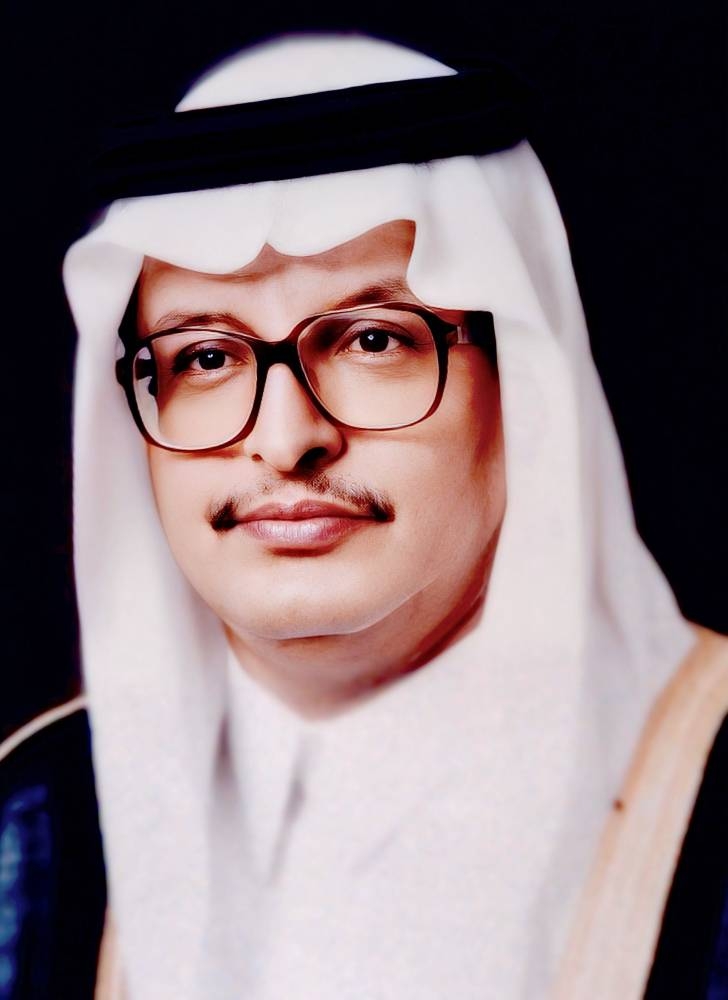
سعيد المليص


تابع قناة عكاظ على الواتساب
صالح شبرق (جدة) shabrag1@
In the village of Al-Rihan, nestled in the embrace of the Al-Baha mountains, the story was born before it was written, when a boy who had not yet turned fourteen stood holding chalk in front of students of his age or slightly older, teaching them the letters while writing his destiny line by line on the board.
There, Dr. Saeed Mohammed Al-Malees began, not merely as a teacher, but as a bearer of a message that would later become part of the features of modern Saudi education.
From Mecca to Indiana, and from an elementary classroom to the corridors of decision-making, Al-Malees walked steadily, developing and being developed, returning from his academic exile equipped with advanced educational thought that he did not confine within the walls of the university, but unleashed in the field, believing that true reform begins where the teacher stands before his students.
In the Ministry of Education, and then as Deputy Minister of Education, he was not merely an administrative official, but wrote policies with the spirit of a teacher, viewing the ministry as a grand school that should rise not with buildings but with minds.
In the Arab Bureau of Education for the Gulf States, he was the voice of Gulf integration in the field of education, building visions from dialogue and creating an educational system that transcends borders based on shared differences.
And because thought is not confined to institutions, Al-Malees was an active member of the Shura Council, listening with the eyes of a teacher, proposing with the tongue of an expert, and reshaping some decisions from the standpoint that every reform begins in the classroom and ends with the interest of the nation.
Al-Malees left his mark at every stage he passed through, not only with his credentials but with his initiatives, his time, and his sincere self-made efforts that made him one of the first to arrive and the last to leave. He wrote his memoirs in "So I Don't Forget," but it is not a biography as much as it is a testament to a difficult time when education was uplifted by men who dedicated their lives to the dignity of the letter.
There, Dr. Saeed Mohammed Al-Malees began, not merely as a teacher, but as a bearer of a message that would later become part of the features of modern Saudi education.
From Mecca to Indiana, and from an elementary classroom to the corridors of decision-making, Al-Malees walked steadily, developing and being developed, returning from his academic exile equipped with advanced educational thought that he did not confine within the walls of the university, but unleashed in the field, believing that true reform begins where the teacher stands before his students.
In the Ministry of Education, and then as Deputy Minister of Education, he was not merely an administrative official, but wrote policies with the spirit of a teacher, viewing the ministry as a grand school that should rise not with buildings but with minds.
In the Arab Bureau of Education for the Gulf States, he was the voice of Gulf integration in the field of education, building visions from dialogue and creating an educational system that transcends borders based on shared differences.
And because thought is not confined to institutions, Al-Malees was an active member of the Shura Council, listening with the eyes of a teacher, proposing with the tongue of an expert, and reshaping some decisions from the standpoint that every reform begins in the classroom and ends with the interest of the nation.
Al-Malees left his mark at every stage he passed through, not only with his credentials but with his initiatives, his time, and his sincere self-made efforts that made him one of the first to arrive and the last to leave. He wrote his memoirs in "So I Don't Forget," but it is not a biography as much as it is a testament to a difficult time when education was uplifted by men who dedicated their lives to the dignity of the letter.


