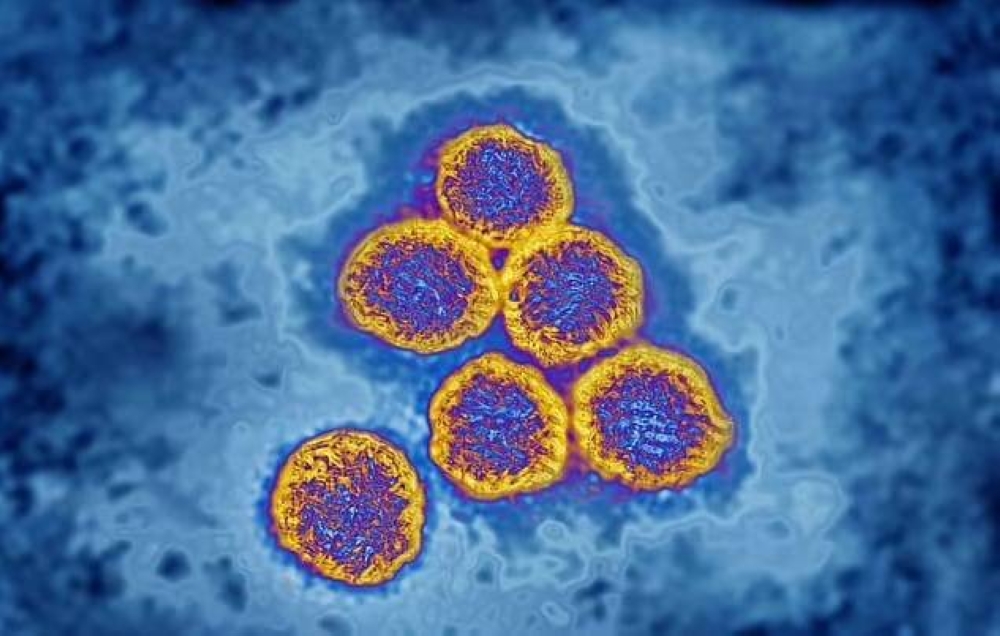
أطلقت السلطات الصحية في المملكة المتحدة تحذيرًا عاجلاً بعد اكتشاف فايروس النيل الغربي، وهو مرض خطير ينقله البعوض ويُسبب الشلل في بعض الحالات، في بعوض محلي بمقاطعة نوتنغهامشير لأول مرة.
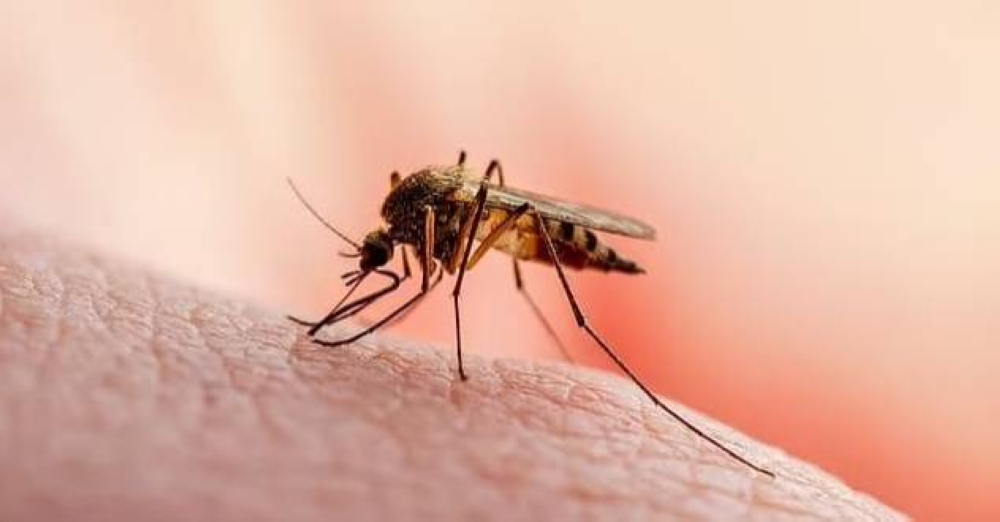
ووفقاً لموقع «mail online»، فإن الفايروس الذي كان يقتصر انتشاره على أفريقيا والشرق الأوسط وجنوب آسيا، أثار مخاوف من احتمال انتقال العدوى إلى البشر، خاصة بعد رصده في بعوض من نوع «Aedes vexans» في الأراضي الرطبة على نهر آيدل بالقرب من قرية غامستون.
وأكدت السلطات الصحية أن الفايروس تم رصده في عينتين من البعوض تم اختبارهما في عام 2023، وهي المرة الأولى التي يُكتشف فيها الفايروس في حشرات داخل بريطانيا.
ويُعتبر هذا الاكتشاف مؤشرًا مقلقًا لاحتمال انتقال العدوى إلى البشر، على الرغم من عدم تسجيل أي حالات إصابة محلية حتى الآن.
ومنذ عام 2000، سُجلت 7 حالات إصابة مرتبطة بالسفر في بريطانيا.
ويُعرف فايروس النيل الغربي بانتشاره بشكل رئيسي بين الطيور عبر البعوض الذي يتغذى على دمائها، لكن في حالات نادرة، يمكن أن ينتقل إلى البشر عبر لدغات البعوض.
وتشير التقارير إلى أن حوالى 20% من المصابين يعانون من أعراض مثل الحمى، الصداع، وطفح جلدي يغطي الجذع، الرأس، الرقبة، والأطراف، والتي قد تستمر من بضعة أيام إلى عدة أسابيع، ويمكن علاج هذه الأعراض بالسوائل، الراحة، ومسكنات الألم.
وفي أقل من 1% من الحالات، قد يتطور الفايروس إلى حالة خطيرة تُعرف باسم «مرض النيل الغربي العصبي الغازي»، حيث يصيب الدماغ ويسبب التهاباً يؤدي إلى نوبات صرع، ارتباك، شلل، أو حتى غيبوبة.
وتصل نسبة الوفيات بين المصابين بهذا النوع الشديد إلى ما بين 3 إلى 15%، حيث يهاجم الفايروس الخلايا المسؤولة عن التنفس. الأطفال الصغار، ويعد البالغون فوق سن الخمسين، وأصحاب المناعة الضعيفة هم الأكثر عرضة للمضاعفات الخطيرة.
وأكدت وكالة الأمن الصحي البريطانية UKHSA أن المخاطر على الجمهور لا تزال منخفضة للغاية، مشيرة إلى أن الفايروس لا ينتقل بسهولة بين البشر.
ومع ذلك، أعلنت الوكالة عن تعزيز إجراءات مراقبة البعوض والسيطرة عليه في المناطق المتأثرة، وأوضحت الدكتورة ميرا تشاند، نائبة مدير قسم السفر الصحي والأمراض الناشئة في الوكالة، أن ظهور الفايروس في بريطانيا ليس مفاجئاً تماماً، نظراً لانتشاره في دول أوروبية أخرى.
ودعا البروفيسور جيمس لوغان، متخصص الأمراض المنقولة بالبعوض في كلية لندن للصحة والطب الاستوائي، إلى تعزيز اليقظة والاستثمار في الاستعداد طويل الأمد لمواجهة احتمال تفشي الفايروس.
وأضاف: «هذه لحظة لإدراك أن المملكة المتحدة لم تعد محصنة ضد الأمراض التي كانت تُعتبر استوائية في السابق».
وأثارت الأنباء قلقاً بين سكان نوتنغهامشير، حيث طالب العديد من المواطنين عبر منصات التواصل الاجتماعي بتكثيف الإجراءات الوقائية، مثل رش المبيدات الحشرية وتجفيف الأراضي الرطبة التي تُعد بيئة مثالية لتكاثر البعوض.
The health authorities in the United Kingdom have issued an urgent warning after the discovery of the West Nile virus, a serious disease transmitted by mosquitoes that can cause paralysis in some cases, in local mosquitoes in Nottinghamshire for the first time.
According to the website “mail online,” the virus, which had previously been confined to Africa, the Middle East, and South Asia, has raised concerns about the potential transmission to humans, especially after it was detected in “Aedes vexans” mosquitoes in the wetlands along the Idle River near the village of Gamston.
The health authorities confirmed that the virus was detected in two samples of mosquitoes tested in 2023, marking the first time the virus has been found in insects within Britain.
This discovery is considered a worrying indicator of the potential for transmission to humans, although no local cases have been recorded so far.
Since 2000, there have been 7 travel-related cases recorded in Britain.
The West Nile virus is primarily known for its spread among birds through mosquitoes that feed on their blood, but in rare cases, it can be transmitted to humans through mosquito bites.
Reports indicate that about 20% of those infected experience symptoms such as fever, headache, and a rash covering the torso, head, neck, and limbs, which may last from a few days to several weeks, and these symptoms can be treated with fluids, rest, and pain relievers.
In less than 1% of cases, the virus may develop into a severe condition known as “neuroinvasive West Nile disease,” which affects the brain and causes inflammation leading to seizures, confusion, paralysis, or even coma.
The mortality rate among those with this severe type ranges from 3 to 15%, as the virus attacks the cells responsible for respiration. Young children, adults over the age of fifty, and those with weakened immune systems are at greater risk for serious complications.
The UK Health Security Agency UKHSA confirmed that the risks to the public remain very low, noting that the virus does not easily spread between humans.
However, the agency announced the enhancement of mosquito monitoring and control measures in the affected areas, with Dr. Mira Chand, Deputy Director of the Health Travel and Emerging Infections Division at the agency, stating that the appearance of the virus in Britain is not entirely surprising, given its spread in other European countries.
Professor James Logan, a mosquito-borne disease specialist at the London School of Hygiene and Tropical Medicine, called for increased vigilance and investment in long-term preparedness to address the potential outbreak of the virus.
He added, “This is a moment to realize that the United Kingdom is no longer immune to diseases that were previously considered tropical.”
The news has raised concerns among residents of Nottinghamshire, with many citizens calling on social media platforms for intensified preventive measures, such as spraying insecticides and draining wetlands that are ideal breeding grounds for mosquitoes.