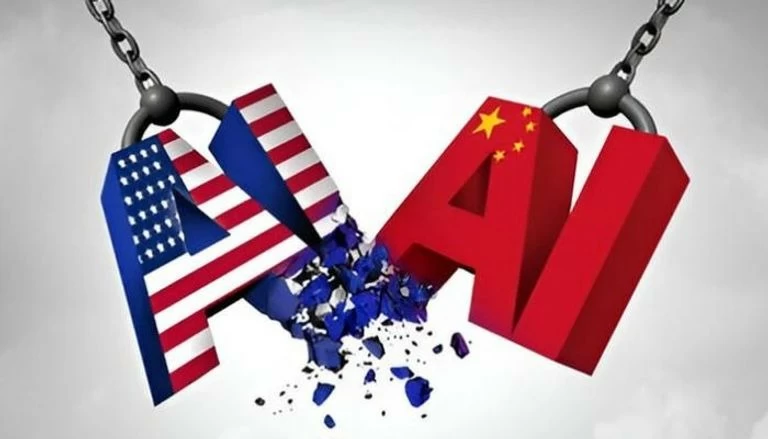
أعلنت إدارة الرئيس الأمريكي دونالد ترمب عزمها اتخاذ إجراءات صارمة ضد كيانات أجنبية، لاسيما صينية، تتهمها باستغلال نماذج الذكاء الاصطناعي المتقدمة التي طورتها شركات أمريكية، فيما وصفته بـ«حملات صناعية واسعة النطاق» لاستخراج قدراتها التقنية.
وجاء الإعلان في مذكرة رسمية صادرة (الخميس) عن مايكل كراتسيوس، مدير مكتب السياسة العلمية والتكنولوجية في البيت الأبيض وكبير مستشاري الرئيس ترمب لشؤون العلوم والتكنولوجيا.
واتهم كراتسيوس كيانات أجنبية تتمركز بشكل رئيسي في الصين بتنفيذ حملات متعمدة وواسعة النطاق لـ«تقطير» أنظمة الذكاء الاصطناعي الحدودية الأمريكية، واستغلال الخبرات والابتكارات الأمريكية بطريقة غير مشروعة.
وأوضحت المذكرة أن هذه العمليات تسمح للجهات الأجنبية بتطوير نماذج مشابهة بتكلفة أقل بكثير، دون الوصول الكامل إلى قدرات النماذج الأمريكية الأصلية.
وتعهدت الإدارة بالعمل بالتعاون الوثيق مع شركات الذكاء الاصطناعي الأمريكية لتحديد هذه الأنشطة، وبناء أنظمة دفاعية فعالة، واستكشاف مجموعة من الإجراءات لمعاقبة المخالفين ومحاسبتهم.
وأكد كراتسيوس أن الولايات المتحدة مصممة على الحفاظ على تفوقها في مجال الذكاء الاصطناعي، معتبرة إياه مجالاً استراتيجياً يجب أن تتفوق فيه أمريكا لوضع المعايير العالمية وجني المنافع الاقتصادية والعسكرية.
تأتي هذه المذكرة في سياق التنافس الشديد بين الولايات المتحدة والصين على الريادة في الذكاء الاصطناعي.
ووفقاً لتقرير مؤشر الذكاء الاصطناعي 2026 الصادر عن معهد ستانفورد للذكاء الاصطناعي المتمحور حول الإنسان، فقد «أغلقت الفجوة» في أداء النماذج الأكثر تقدماً بين البلدين بشكل فعلي، حيث تبادلت النماذج الأمريكية والصينية الصدارة عدة مرات منذ مطلع 2025.
وتُعد تقنية «التقطير» إحدى الطرق الشائعة لنقل المعرفة من نموذج كبير إلى نموذج أصغر وأرخص، لكن الإدارة الأمريكية تعتبر استخدامها على نطاق صناعي ضد النماذج الأمريكية شكلاً من أشكال سرقة الملكية الفكرية.
يأتي الإعلان قبل أسابيع قليلة من زيارة مرتقبة للرئيس ترمب إلى بكين للقاء الرئيس الصيني شي جين بينغ، ما يهدد بتوتر العلاقات الثنائية مجدداً بعد فترة تهدئة نسبية.
The administration of President Donald Trump announced its intention to take strict measures against foreign entities, particularly Chinese ones, that it accuses of exploiting advanced artificial intelligence models developed by American companies, describing it as "widespread industrial campaigns" to extract their technical capabilities.
The announcement came in an official memo issued (on Thursday) by Michael Kratsios, the Director of the Office of Science and Technology Policy at the White House and Chief Advisor to President Trump on science and technology issues.
Kratsios accused foreign entities primarily based in China of conducting deliberate and widespread campaigns to "distill" American frontier artificial intelligence systems and unlawfully exploit American expertise and innovations.
The memo clarified that these operations allow foreign entities to develop similar models at a much lower cost, without full access to the capabilities of the original American models.
The administration pledged to work closely with American artificial intelligence companies to identify these activities, build effective defensive systems, and explore a range of measures to punish and hold violators accountable.
Kratsios emphasized that the United States is determined to maintain its superiority in the field of artificial intelligence, considering it a strategic area in which America must excel to set global standards and reap economic and military benefits.
This memo comes in the context of intense competition between the United States and China for leadership in artificial intelligence.
According to the 2026 Artificial Intelligence Index Report issued by the Stanford Human-Centered Artificial Intelligence Institute, the "gap" in the performance of the most advanced models between the two countries has effectively "closed," with American and Chinese models exchanging the lead several times since early 2025.
The technique of "distillation" is one of the common methods for transferring knowledge from a large model to a smaller and cheaper one, but the U.S. administration considers its industrial-scale use against American models a form of intellectual property theft.
The announcement comes just a few weeks before a highly anticipated visit by President Trump to Beijing to meet with Chinese President Xi Jinping, which threatens to strain bilateral relations again after a period of relative calm.