في صفقة وُصفت بأنها الأخطر في تاريخ التفاعل بين الإنسان والآلة، دفعت «أبل» ما بين 1.5 ومليارَي دولار للاستحواذ على شركة إسرائيلية ناشئة لا تملك منتجاً في السوق ولا إيرادات معلنة، لكنها طوّرت تقنية قادرة على التقاط الكلمات قبل أن تخرج من فمك.
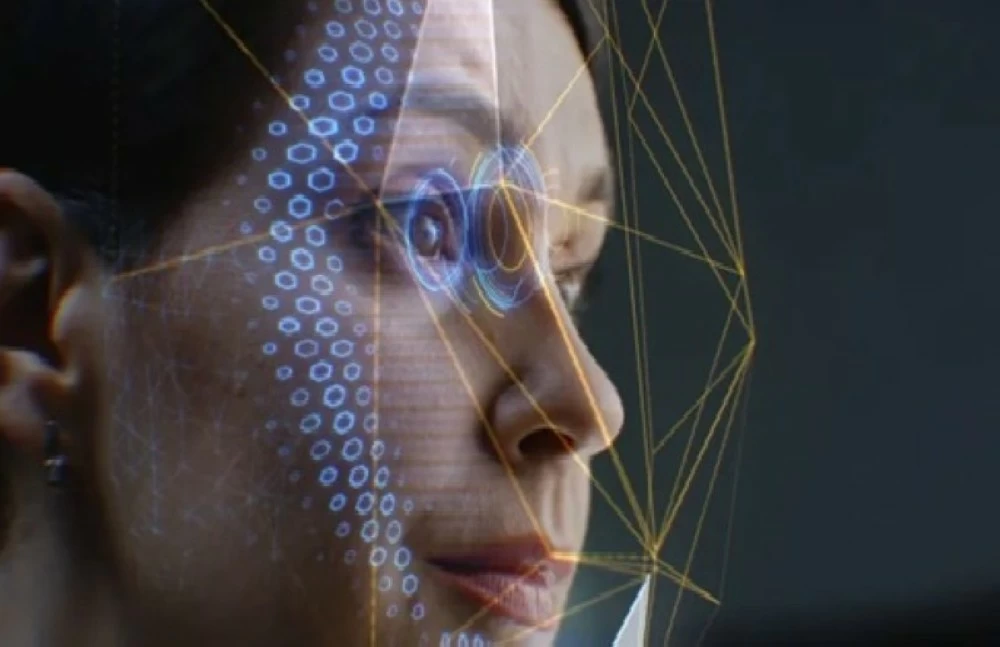
الشركة التي تحمل اسم كيو إيه آي،لا يتجاوز عمرها ثلاث سنوات، إلا أنها تعمل على ما يُعرف بتقنية «الكلام الصامت» وهو نظام يعتمد على كاميرات بالأشعة تحت الحمراء وخوارزميات تعلم آلي لرصد الإشارات العصبية الدقيقة التي يرسلها الدماغ إلى عضلات الوجه قبل لحظة النطق، وتحويلها مباشرة إلى أوامر رقمية.
كيف تعمل التقنية؟
بدلاً من الأقطاب الكهربائية اللاصقة التي أعاقت تجارب سابقة، طورت الشركة مشبكاً يُثبت حول الأذن، يُسقط ضوءاً غير مرئي على البشرة، ليرسم خريطة مجهرية لتشنجات عضلية لا تراها العين، بسرعة تصل إلى 500 إطار في الثانية.. والنتيجة؛ هاتف «يفهم» ما ستقوله قبل أن تقوله.
تُعد هذه الخطوة ثاني أكبر استحواذ في تاريخ «أبل» بعد صفقة «بيتس» عام 2014. والمفارقة أن مؤسس الشركة «أفياد ميزيلز» سبق أن باع لـ«أبل» تقنية الاستشعار ثلاثي الأبعاد من شركته «برايم سينس» مقابل 350 مليون دولار، وهي التقنية التي مهدت الطريق لخدمة «Face ID».
لكن القلق لم يتأخر. فوكالة الأبحاث الدفاعية الإسرائيلية «مفات» وهي المعادل الإسرائيلي لوكالة «داربا» الأميركية، أعلنت أنها تطور التقنية نفسها لتمكين الجنود من التواصل في الميدان دون إصدار أي صوت.
وهنا يتحول الابتكار من ميزة ذكية في هاتفك إلى أداة محتملة في «الحرب المعرفية»، وهو المصطلح الذي استخدمه حلف شمال الأطلسي عام 2021 لوصف تقنيات لا تكتفي بمراقبة ما يفعله الإنسان، بل تستبق ما ينوي فعله.
واللافت أن الأكثر إثارة للجدل أن براءات الاختراع تشير إلى قدرة النظام على قياس النبض ومعدل التنفس وتحليل الحالة العاطفية، ما يعني رسم خريطة نفسية وبيولوجية كاملة للمستخدم في الزمن الحقيقي.
وتؤكد «أبل» أن المعالجة ستتم محلياً عبر معالجات Apple Silicon وبنية سحابية قابلة للتحقق المستقل، غير أن منتقدين يرون أن التاريخ التقني يثبت أن البنية المدنية كثيراً ما تصبح جسراً لاستخدامات أمنية أوسع.
وبين هاتفٍ يختصر المسافة بين التفكير والتنفيذ، وعالمٍ يخشى أن تصبح النوايا نفسها بيانات قابلة للرصد؛ تبدو الصفقة أكبر من مجرد استحواذ تجاري. بل خطوة نحو مرحلة قد لا يعود فيها الصمت صامتاً.
In a deal described as the most dangerous in the history of human-machine interaction, Apple paid between $1.5 billion and $2 billion to acquire an Israeli startup that has no product in the market and no reported revenues, but has developed technology capable of capturing words before they leave your mouth.
The company, named Q.ai, is less than three years old, yet it is working on what is known as "silent speech" technology, a system that relies on infrared cameras and machine learning algorithms to detect the subtle neural signals sent by the brain to the facial muscles just before speaking, and convert them directly into digital commands.
How does the technology work?
Instead of the sticky electrodes that hindered previous experiments, the company has developed a clip that attaches around the ear, projecting invisible light onto the skin to map microscopic muscle twitches that are not visible to the eye, at a speed of up to 500 frames per second. The result: a phone that "understands" what you will say before you say it.
This step marks the second largest acquisition in Apple's history after the Beats deal in 2014. Ironically, the company's founder, Aviad Meizles, previously sold Apple 3D sensing technology from his company PrimeSense for $350 million, which paved the way for the Face ID feature.
However, concerns did not take long to arise. The Israeli Defense Research Agency, Mafat, which is the Israeli equivalent of the American DARPA, announced that it is developing the same technology to enable soldiers to communicate in the field without making any sound.
Here, innovation shifts from a smart feature in your phone to a potential tool in "cognitive warfare," a term used by NATO in 2021 to describe technologies that not only monitor what a person is doing but anticipate what they intend to do.
Notably, the most controversial aspect is that patents indicate the system's ability to measure pulse and breathing rate and analyze emotional state, meaning it could create a complete psychological and biological map of the user in real-time.
Apple asserts that processing will occur locally via Apple Silicon processors and a verifiable cloud infrastructure; however, critics argue that the technical history shows that civilian infrastructure often becomes a bridge for broader security uses.
Between a phone that shortens the distance between thought and execution, and a world that fears intentions themselves could become trackable data; the deal seems larger than just a commercial acquisition. It is a step towards a phase where silence may no longer be silent.