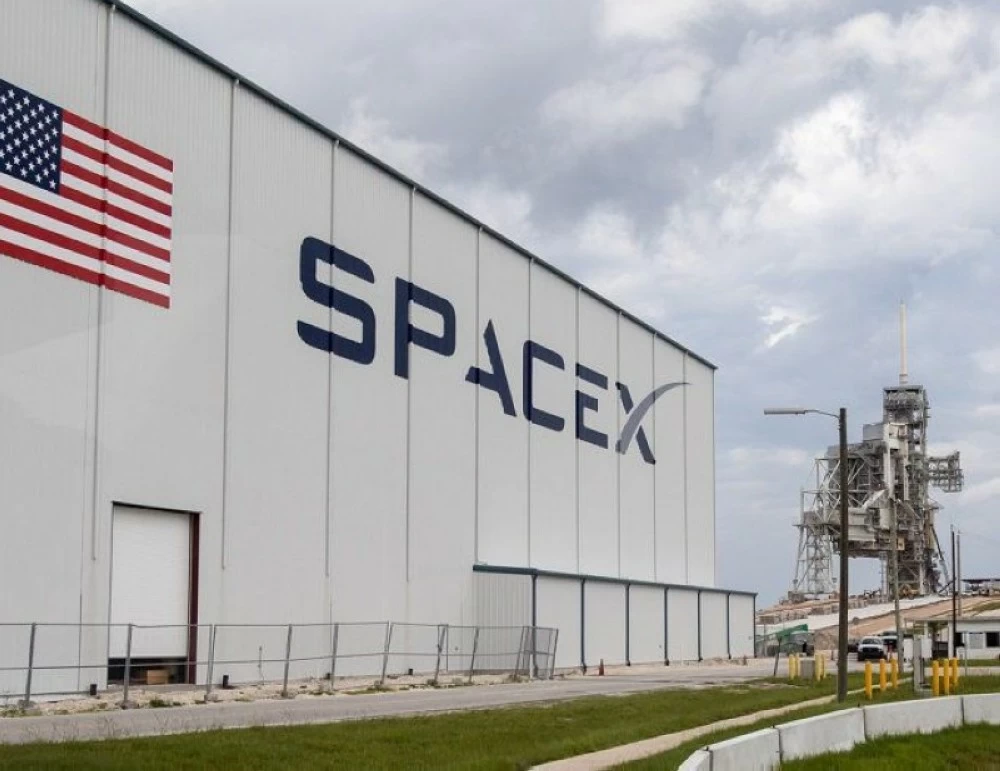
أعلنت شركة سبيس إكس (SpaceX) التابعة للملياردير الأمريكي إيلون ماسك، أمس (الثلاثاء)، إتاحة خدمة الإنترنت عبر الأقمار الصناعية «ستارلينك» مجاناً داخل إيران، وسط انقطاع إنترنت شبه كامل، تزامناً مع تصعيد الاحتجاجات الشعبية ضد النظام.
وبحسب تقارير من «بلومبيرغ» ومصادر متعددة داخل إيران، ألغت الشركة رسوم الاشتراك في الخدمة للمستخدمين داخل الأراضي الإيرانية، ما يتيح لأي شخص يمتلك جهاز استقبال «ستارلينك» الاتصال بالإنترنت دون دفع أي تكاليف، في محاولة لتوفير «شريان حياة رقمي» للمواطنين والمتظاهرين وسط الانقطاع الرقمي.
تصعيد أمريكي ضد طهران
وأكدت تقارير إعلامية أن الخطوة جاءت بعد دعوات متزايدة من ناشطين إيرانيين ومنظمات حقوقية، وتزامنت مع تصريحات من الرئيس الأمريكي دونالد ترمب الذي أعرب عن نيته التحدث مع ماسك لاستعادة الاتصال في إيران، مشيراً إلى أن ماسك «لديه شركة جيدة جداً في هذا المجال».
وتشهد إيران منذ أيام انقطاعاً شبه كامل للإنترنت والخدمات الهاتفية، في أعقاب اندلاع احتجاجات واسعة النطاق في أكثر من 100 مدينة وعلى مستوى جميع المحافظات الـ31، احتجاجاً على انهيار العملة، والتضخم الجامح، والفساد، والقمع.
ووصف مراقبو الإنترنت الانقطاع بأنه «أحد أشد حالات الإغلاق الرقمي في التاريخ الحديث»، إذ أُغلقت الشبكات الداخلية والدولية معاً، وتأثرت الاتصالات الهاتفية الأرضية والمتنقلة.
أجهزة مهربة لتشغيل الخدمة
وتعتمد شبكة الإنترنت الفضائي «ستارلينك» من «سبيس إكس»، على آلاف الأقمار الصناعية في مدار أرضي منخفض، ما يجعلها أصعب في الحجب مقارنة بالإنترنت التقليدي والكابلات الأرضية وأبراج الهواتف.
ورغم أن الخدمة غير مرخصة في إيران وتُعتبر غير قانونية، مع عقوبات تصل إلى السجن، إلا أن عشرات الآلاف من أجهزة الاستقبال تم تهريبها إلى البلاد خلال السنوات الماضية، مع تقديرات ترجح أنها تراوح بين 50 ألفاً و100 ألف جهاز.
وسبق أن فعّل ماسك الخدمة مجاناً في إيران خلال احتجاجات 2022 وفي يونيو 2025، لكن السلطات الإيرانية ردت بتشويش عسكري مكثف على إشارات «ستارلينك» باستخدام تقنيات تشويش GPS وإشارات عسكرية، ما أدى إلى خسائر في البيانات تصل إلى 30-80% في بعض المناطق، إضافة إلى حملات دهم منازل لمصادرة الأجهزة.
SpaceX, the company owned by American billionaire Elon Musk, announced yesterday (Tuesday) the availability of the satellite internet service "Starlink" for free within Iran, amid a near-total internet blackout coinciding with the escalation of popular protests against the regime.
According to reports from Bloomberg and multiple sources inside Iran, the company has waived subscription fees for users within Iranian territory, allowing anyone with a Starlink receiver to connect to the internet without incurring any costs, in an attempt to provide a "digital lifeline" for citizens and protesters amidst the digital blackout.
American escalation against Tehran
Media reports confirmed that the move came after increasing calls from Iranian activists and human rights organizations, coinciding with statements from U.S. President Donald Trump, who expressed his intention to speak with Musk to restore connectivity in Iran, noting that Musk "has a very good company in this field."
Iran has been experiencing a near-total internet and phone service blackout for days, following widespread protests in over 100 cities across all 31 provinces, in response to the currency collapse, rampant inflation, corruption, and repression.
Internet observers described the blackout as "one of the most severe cases of digital shutdown in modern history," as both domestic and international networks were shut down, affecting landline and mobile communications.
Smuggled devices to operate the service
The Starlink satellite internet network from SpaceX relies on thousands of satellites in low Earth orbit, making it harder to block compared to traditional internet and landline cables and phone towers.
Although the service is unlicensed in Iran and considered illegal, with penalties that can include imprisonment, tens of thousands of receivers have been smuggled into the country over the past few years, with estimates suggesting they range between 50,000 and 100,000 devices.
Musk had previously activated the service for free in Iran during the protests of 2022 and in June 2025, but Iranian authorities responded with intensive military jamming of Starlink signals using GPS jamming techniques and military signals, resulting in data losses of up to 30-80% in some areas, in addition to raids on homes to confiscate devices.