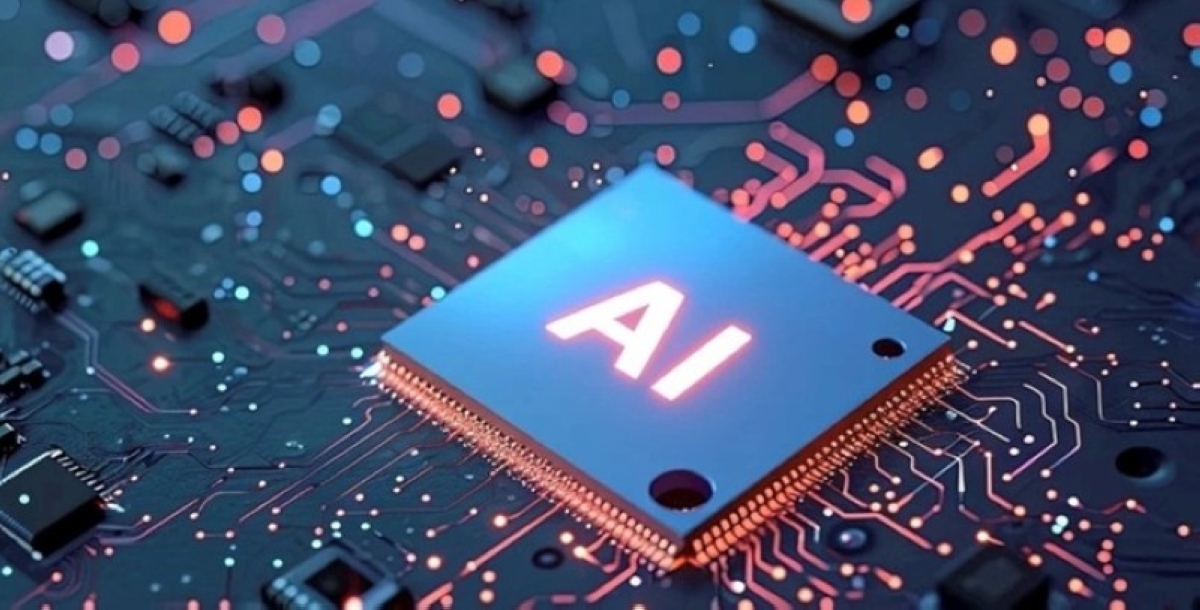
تواجه الشركات الأمريكية تهديداً متصاعداً مع اقتراب القراصنة من إطلاق هجمات سيبرانية مؤتمتة بالكامل بفضل الذكاء الاصطناعي (AI)، والتي تتميز بالسرعة والذكاء والتخصيص غير المسبوق.
هذه الهجمات قد تتسبب في تعطيل خطوط الإنتاج في المصانع، إيقاف عمل المستشفيات، أو حتى السيطرة على شبكات الطاقة قبل أن يدرك أحد وجود خلل.
الذكاء الاصطناعي لدى مجرمي الإنترنت
وتتيح التطورات في الذكاء الاصطناعي التوليدي للقراصنة تعزيز مهاراتهم وأتمتة مراحل متعددة من سلسلة الهجمات، فقد اكتشفت شركتا «OpenAI» و«Anthropic» أدلة على استخدام جهات حكومية ومجرمي الإنترنت لنماذج الذكاء الاصطناعي في كتابة الأكواد والبحث عن ثغرات الهجمات.
وبحسب موقع «أكسيوس» أكدت رئيسة مجموعة استخبارات التهديدات في جوجل ساندرا جويس، أن فريقها رصد محاولات قراصنة لاستخدام أدوات ذكاء اصطناعي شرعية في مخططاتهم الخبيثة.
قراصنة الدول واكتشاف الثغرات
ويحذر فيل فينابلز، شريك في «Ballistic Ventures» ومدير الأمن السابق في «Google Cloud»، من أن قراصنة الدول سيطورون أدوات لأتمتة كل شيء، من اكتشاف الثغرات إلى تنفيذ هجمات مخصصة على شبكات الشركات، وقال: «هذا قادم لا محالة، السؤال فقط هو: هل سيحدث خلال ثلاثة أشهر، ستة، أم اثني عشر شهراً؟»
مستوى التهديد
فيما كشف تقرير حديث من «مايكروسوفت» أن رسائل التصيد الإلكتروني المعتمدة على الذكاء الاصطناعي حققت معدل نقر يصل إلى 54%، مقارنة بـ12% لرسائل التصيد التقليدية.
ووفقاً لتقرير «Deep Instinct» لعام 2025، أفاد 50% من العاملين في مؤسسات البنية التحتية الحيوية أنهم واجهوا هجمات مدعومة بالذكاء الاصطناعي خلال العام الماضي.
ويستخدم قراصنة من الصين وروسيا وإيران وكوريا الشمالية الذكاء الاصطناعي لتعزيز عمليات التجسس والهجمات السيبرانية، فقد لوحظ أن قراصنة روس يجربون برمجيات خبيثة مدعومة بالذكاء الاصطناعي في هجماتهم على أوكرانيا.
تطبيقات تُنتج مقاطع مُضللة
وتتيح تطبيقات مثل «Sora» من «OpenAI» إنشاء مقاطع فيديو مضللة، مثل مشاهير يروجون لاستثمارات وهمية أو مشاهد تُظهر أطفالاً في خطر، مما يعزز عمليات الاحتيال، كما تستهدف الهجمات بشكل متزايد البنية التحتية الحيوية والشركات المالية، مما يهدد الاستقرار الاقتصادي والأمني.
هل سيتم اكتشاف الثغرات
ويعمل قادة الأمن السيبراني على مواجهة هذه التهديدات باستخدام الذكاء الاصطناعي لصالحهم، فقد أشار تقرير «Deep Instinct» إلى أن أكثر من 80% من الشركات الكبرى تستخدم الذكاء الاصطناعي لتعزيز دفاعاتها السيبرانية، فعلى سبيل المثال، ساعدت الأتمتة إحدى شركات تصنيع النقل في تقليص وقت استجابتها للهجمات من ثلاثة أسابيع إلى 19 دقيقة فقط، وفقاً لـويندي ويتمور، رئيسة قسم استخبارات الأمن في «Palo Alto Networks».
يأتي ذلك فيما تتوقع المديرة السابقة لوكالة الأمن السيبراني وأمن البنية التحتية الأمريكية جين إيسترلي، أن الأنظمة السيبرانية المستقلة المدعومة بالذكاء الاصطناعي ستتمكن قريباً من اكتشاف الثغرات وصد الاختراقات في غضون ميلي ثوان، مع التعلم من كل هجوم لتحسين الأداء المستقبلي، وأضافت: «إذا نجحنا في ذلك، يمكننا قلب الطاولة لصالح المدافعين.».
American companies are facing an escalating threat as hackers are on the verge of launching fully automated cyberattacks thanks to artificial intelligence (AI), characterized by unprecedented speed, intelligence, and customization.
These attacks could disrupt production lines in factories, halt operations in hospitals, or even take control of power grids before anyone realizes there is a malfunction.
AI in Cybercriminals' Hands
Advancements in generative artificial intelligence allow hackers to enhance their skills and automate multiple stages of the attack chain. Companies like "OpenAI" and "Anthropic" have discovered evidence of government entities and cybercriminals using AI models to write code and search for vulnerabilities in attacks.
According to Axios, Sandra Joyce, head of Google's threat intelligence group, confirmed that her team has detected attempts by hackers to use legitimate AI tools in their malicious schemes.
State-Sponsored Hackers and Vulnerability Discovery
Phil Venables, a partner at "Ballistic Ventures" and former security chief at "Google Cloud," warns that state-sponsored hackers will develop tools to automate everything from vulnerability discovery to executing tailored attacks on corporate networks. He stated, "This is coming, no doubt about it; the only question is: will it happen in three months, six, or twelve months?"
Threat Level
A recent report from "Microsoft" revealed that AI-driven phishing emails achieved a click rate of 54%, compared to 12% for traditional phishing emails.
According to the "Deep Instinct" report for 2025, 50% of workers in critical infrastructure organizations reported encountering AI-supported attacks in the past year.
Hackers from China, Russia, Iran, and North Korea are using AI to enhance espionage and cyberattacks. It has been observed that Russian hackers are experimenting with AI-powered malware in their attacks on Ukraine.
Applications Producing Misleading Clips
Applications like "Sora" from "OpenAI" enable the creation of misleading videos, such as celebrities promoting fake investments or scenes showing children in danger, thereby enhancing fraud operations. Additionally, attacks are increasingly targeting critical infrastructure and financial companies, threatening economic and security stability.
Will Vulnerabilities Be Discovered?
Cybersecurity leaders are working to counter these threats by leveraging AI to their advantage. The "Deep Instinct" report noted that over 80% of major companies are using AI to bolster their cybersecurity defenses. For example, automation helped one transportation manufacturing company reduce its response time to attacks from three weeks to just 19 minutes, according to Wendy Whitmore, head of security intelligence at "Palo Alto Networks."
This comes as former director of the U.S. Cybersecurity and Infrastructure Security Agency, Jen Easterly, predicts that AI-powered autonomous cyber systems will soon be able to detect vulnerabilities and thwart breaches within milliseconds, learning from each attack to improve future performance. She added, "If we succeed in that, we can turn the tables in favor of the defenders."