


بينما تسعى المملكة إلى أن تكون دولة رائدة رياضيا عبر مشاريع كبرى واستثمارات إستراتيجية، تكشف بعض البرامج الرياضية هشاشة في الإعداد وسطحية في الطرح تصل إلى حد الاستخفاف بالمعلومة. مشهد رئيس نادي الاتحاد فهد سندي، واستخدامه لمصطلح «أهبد» جاء ليجسد الواقع، حيث تحولت بعض المنابر من فضاءات للتحليل الرصين إلى ساحات جدل شعبوي لا تليق بمرحلة التحول الرياضي السعودي.الإشكال لا يتوقف عند حدود اللغة، بل يمتد إلى غياب الحوكمة الإعلامية وضعف آليات المراجعة قبل البث المباشر، ما يجعل بعض الحوارات أقرب إلى الارتجال منه إلى صناعة المعلومة، ويكشف أزمة مهنية تضرب صميم الإعلام الرياضي المحلي. هذه الأزمة تتناقض تماما مع مشروع وطني ضخم يضع الرياضة في قلب رؤية 2030، حيث تُبنى الملاعب والأكاديميات، وتُستضاف البطولات العالمية، وتُعزز مكانة القطاع الرياضي كرافد اقتصادي وثقافي يعكس قوة السعودية الناعمة.في ظل هذا التباين، تبدو الحاجة ملحة إلى إصلاح الإعلام الرياضي عبر إعادة صياغة برامجه على أسس مهنية، قائمة على التحليل العميق والاعتماد على البيانات والإحصاءات، وضبط لغة الخطاب لتكون بمستوى المرحلة، وتطبيق الحوكمة التي تضمن أن البث المباشر أداة لتنوير الجمهور لا لإرباكه.المملكة تمضي نحو الريادة بمشاريع واضحة المعالم، غير أن بعض البرامج الرياضية ما زالت عالقة في دوامة الجدل العقيم. الفجوة صارخة، والمرحلة تتطلب إعلامًا رياضيًا رصينًا يواكب طموح وطن يصنع مستقبله، لا مساحة للهو والارتجال.
رئيس الاتحاد يفجر أزمة البرامج الرياضية بـ«أهبد»
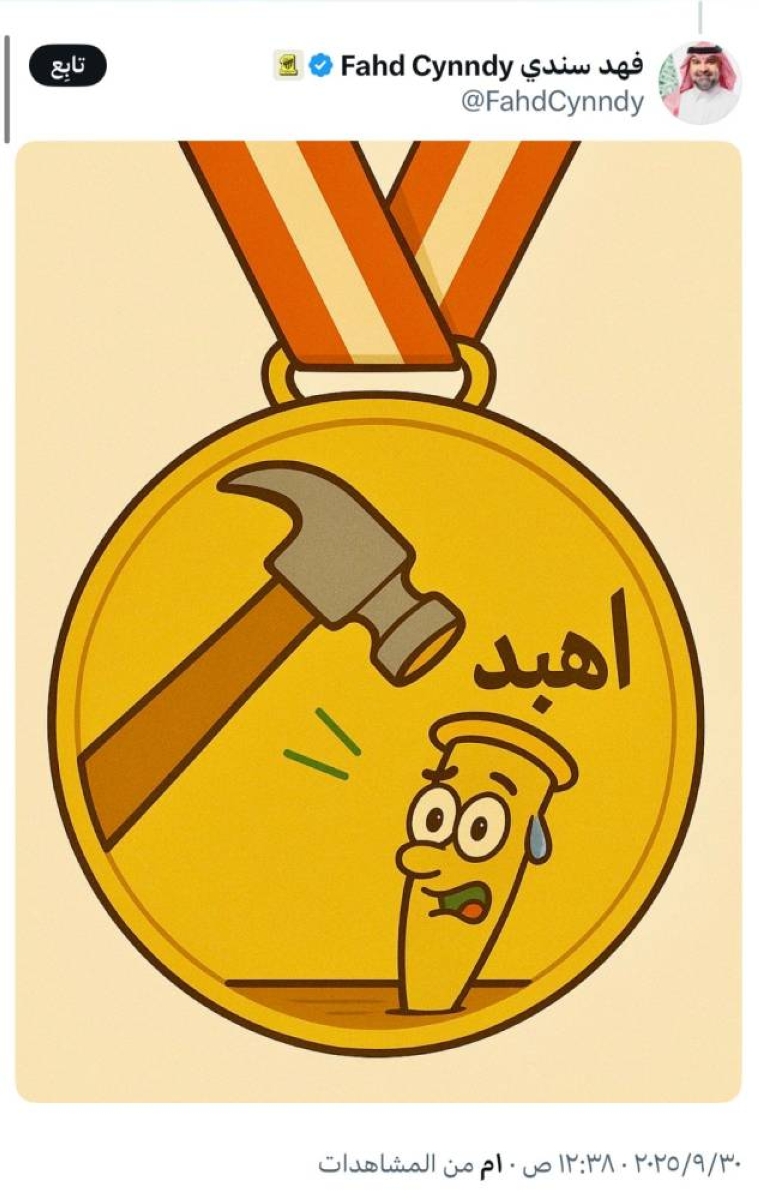


While the Kingdom seeks to be a leading nation in sports through major projects and strategic investments, some sports programs reveal fragility in preparation and superficiality in presentation that borders on disdain for information. The scene of the President of Al-Ittihad Club, Fahd Sindi, using the term "أهبد" (which can be interpreted as "to mess up") embodies this reality, as some platforms have transformed from spaces for serious analysis into arenas of populist debate that are unworthy of the Saudi sports transformation phase. The issue does not stop at the limits of language but extends to the absence of media governance and the weakness of review mechanisms before live broadcasting, which makes some discussions closer to improvisation than to the creation of information, revealing a professional crisis that strikes at the core of local sports media. This crisis is in stark contrast to a massive national project that places sports at the heart of Vision 2030, where stadiums and academies are built, global championships are hosted, and the status of the sports sector is enhanced as an economic and cultural tributary that reflects Saudi Arabia's soft power. In light of this disparity, there is an urgent need to reform sports media by reshaping its programs on professional foundations based on deep analysis and reliance on data and statistics, adjusting the language of discourse to match the level of the phase, and applying governance that ensures that live broadcasting is a tool for enlightening the public, not confusing them. The Kingdom is moving towards leadership with clearly defined projects, yet some sports programs remain trapped in a vortex of futile debate. The gap is glaring, and the phase requires serious sports media that keeps pace with the ambitions of a nation shaping its future; there is no room for frivolity and improvisation.


