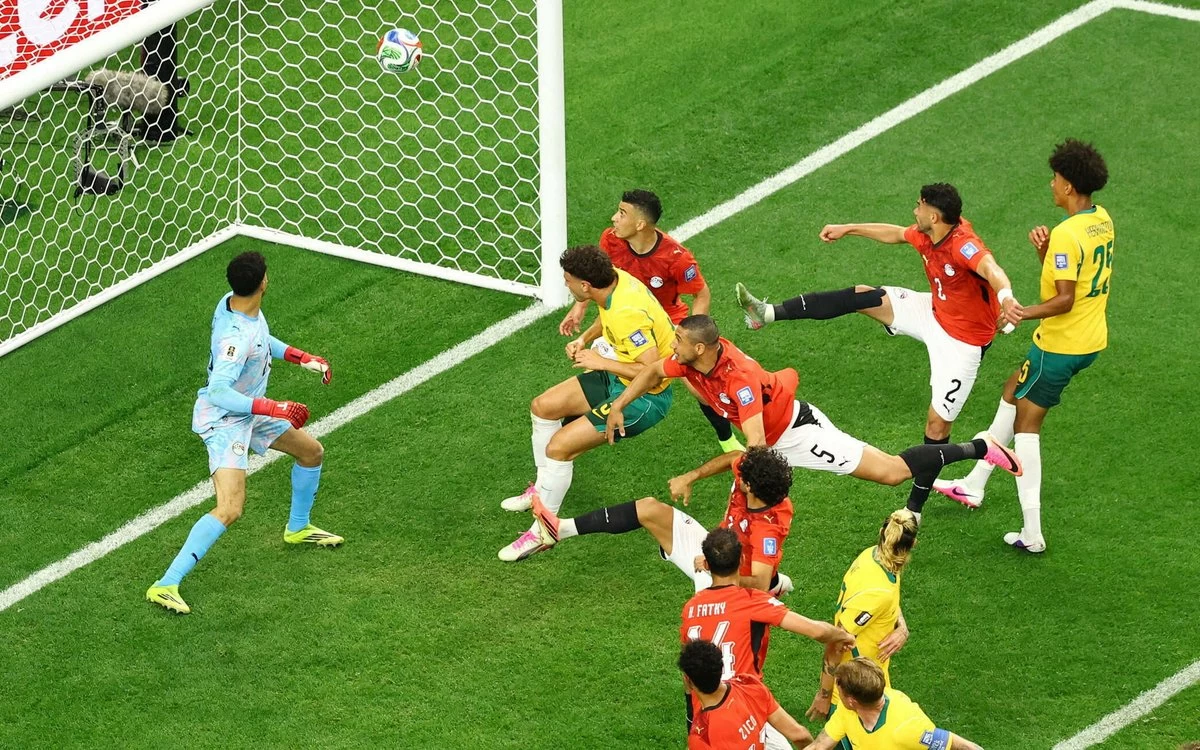
تحولت الأهداف العكسية إلى واحدة من أغرب ظواهر كأس العالم 2026، بعدما بلغ عددها 13 هدفاً حتى الآن، في رقم وصفته «فوكس سبورت» بأنه الأعلى في نسخة واحدة من المونديال، متجاوزاً كل النسخ السابقة، ومؤكداً أن البطولة الحالية لا تصنع غرائبها من المهاجمين فقط، بل من أخطاء المدافعين أيضاً.
وكان المصري محمد هاني في قلب هذه الظاهرة، بعدما أصبح، بحسب «فوكس سبورت»، ثاني لاعب فقط في تاريخ كأس العالم يسجل هدفين عكسيين في نسخة واحدة، بعد البلغاري إيفان فوتسوف عام 1966، إذ جاء هدفه العكسي أمام أستراليا ليمنح المنافس التعادل في الدقيقة 55، قبل أن تنجح مصر في العبور بركلات الترجيح.
وتكشف هذه الظاهرة جانباً تكتيكياً مهماً في النسخة الحالية؛ فارتفاع ضغط المباريات، وسرعة التحولات، وكثافة الكرات العرضية، وضغط المهاجمين داخل منطقة الجزاء، كلها عوامل جعلت المدافعين والحراس أمام اختبارات لحظية قاسية، قد يتحول فيها القرار الدفاعي من إنقاذ مؤكد إلى هدف قاتل.
ولم تعد الأهداف العكسية مجرد «لقطات طريفة» في البطولة، بل أصبحت مؤشراً على حجم الضغط البدني والذهني في مونديال موسع، تتقارب فيه المستويات، وتصبح التفاصيل الصغيرة قادرة على تغيير مسار منتخب كامل.
Own goals have become one of the strangest phenomena of the 2026 World Cup, with a total of 13 goals scored so far, a figure that "Fox Sports" described as the highest in a single edition of the tournament, surpassing all previous editions, and confirming that the current championship is not only producing its oddities from attackers but also from defenders' mistakes.
Egyptian player Mohamed Hani is at the heart of this phenomenon, as he has become, according to "Fox Sports," only the second player in World Cup history to score two own goals in a single edition, after Bulgarian Ivan Vutsov in 1966. His own goal against Australia allowed the opponent to equalize in the 55th minute, before Egypt managed to advance through penalties.
This phenomenon reveals an important tactical aspect of the current edition; the increased pressure of matches, the speed of transitions, the intensity of crosses, and the pressure from attackers inside the penalty area are all factors that have put defenders and goalkeepers in front of harsh momentary tests, where a defensive decision can shift from a certain save to a lethal goal.
Own goals are no longer just "funny clips" in the tournament; they have become an indicator of the level of physical and mental pressure in an expanded World Cup, where levels are close, and small details can change the course of an entire national team.