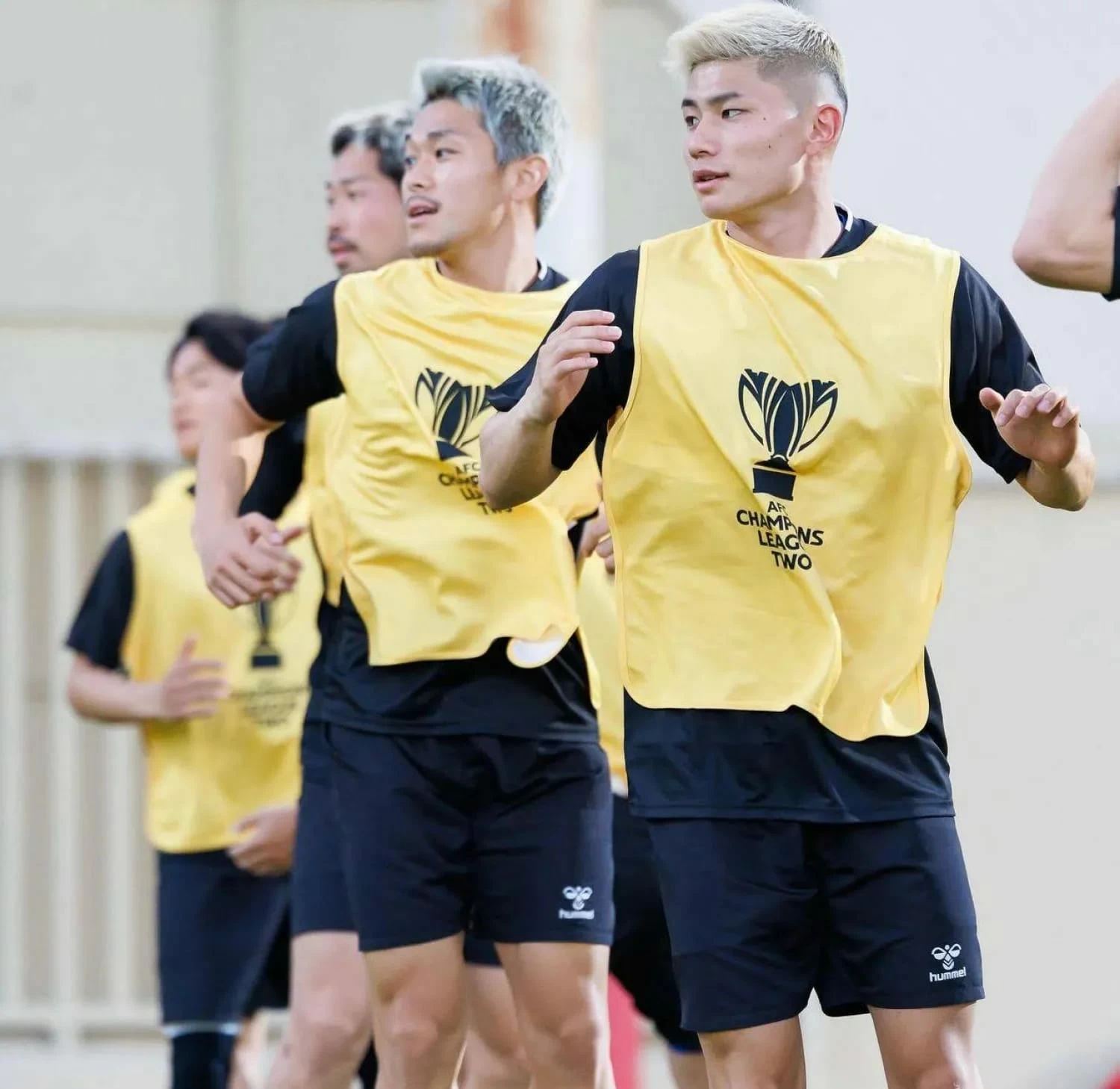
سيكون غامبا أوساكا على موعد مع فصل جديد من تاريخه القاري، عندما يواجه النصر في نهائي دوري أبطال آسيا الثانية 2026 على ملعب الأول بارك بالرياض، في مواجهة تجمع بين طموح العودة الآسيوية للعالمي، وخبرة النادي الياباني في صناعة القصص التاريخية.
ولم يبدأ غامبا أوساكا كأحد عمالقة الكرة اليابانية، بل انطلقت حكايته عام 1980 من داخل مصانع شركة "ماتسوشيتا" للإلكترونيات، حين تم تأسيس فريق للهواة يضم موظفي الشركة في محافظة نارا، قبل أن يتحول تدريجيًا إلى أحد أبرز الأندية في اليابان وآسيا.
ومع انطلاق الدوري الياباني للمحترفين عام 1993، كان غامبا أحد الأندية المؤسسة للمسابقة، واختار اسمًا يحمل دلالة خاصة؛ إذ تعني كلمة "غامبا" بارتباطها لفظيًا بكلمة "غامبارو" اليابانية التي تعبّر عن القتال وبذل أقصى الجهد، وهي فلسفة أصبحت جزءًا من هوية النادي عبر السنوات.
وعاش النادي سنوات متقلبة قبل أن يحقق أول تحول تاريخي في 2005، حين انتزع لقب الدوري الياباني في الجولة الأخيرة من موسم درامي، بعدما تفوق على منافسيه في سباق مجنون شهد تنافس خمسة فرق على اللقب حتى اللحظات الأخيرة.
لكن القمة الحقيقية جاءت في عام 2008، عندما تُوج غامبا أوساكا بلقب دوري أبطال آسيا للمرة الأولى في تاريخه، بعد تفوقه على أديلايد يونايتد الأسترالي في النهائي، ليضع اسمه بين كبار القارة، قبل أن يحقق المركز الثالث في كأس العالم للأندية ويترك حضورًا لافتًا أمام عمالقة الكرة العالمية.
ولم تكن رحلة النادي خالية من الصدمات، إذ هبط إلى دوري الدرجة الثانية الياباني عام 2012، في واحدة من أقسى لحظات تاريخه، لكنه عاد سريعًا، وحقق بعدها بعامين إنجازًا استثنائيًا بالتتويج بالثلاثية المحلية في 2014، ليصبح أول فريق صاعد يحقق هذا الإنجاز في اليابان.
واليوم، يعود غامبا أوساكا إلى الواجهة القارية عبر نهائي دوري أبطال آسيا الثانية، باحثًا عن كتابة صفحة جديدة في تاريخه، ومحاولة أن يصبح أول نادٍ آسيوي يجمع بين لقب دوري أبطال آسيا بنظامه القديم ولقب البطولة القارية الثانية بنظامها الجديد.
Gamba Osaka is set to embark on a new chapter in its continental history when it faces Al-Nassr in the final of the AFC Champions League 2026 at Al-Awwal Park in Riyadh, in a matchup that brings together the ambition of the global club's Asian return and the Japanese club's experience in creating historical narratives.
Gamba Osaka did not start as one of the giants of Japanese football; rather, its story began in 1980 within the factories of Matsushita Electric, when a team was established for amateur players comprising the company's employees in Nara Prefecture, before gradually transforming into one of the most prominent clubs in Japan and Asia.
With the launch of the J.League in 1993, Gamba was one of the founding clubs of the competition, choosing a name with a special significance; the word "Gamba" is phonetically linked to the Japanese word "Ganbarou," which expresses the idea of fighting and giving maximum effort, a philosophy that has become part of the club's identity over the years.
The club experienced fluctuating years before achieving its first historic transformation in 2005, when it clinched the Japanese league title on the final day of a dramatic season, after outperforming its rivals in a crazy race that saw five teams competing for the title until the last moments.
However, the true peak came in 2008, when Gamba Osaka was crowned the AFC Champions League champion for the first time in its history, after defeating Adelaide United from Australia in the final, placing its name among the continent's elite, before finishing third in the FIFA Club World Cup and making a notable presence against the giants of world football.
The club's journey has not been without shocks, as it was relegated to the J2 League in 2012, in one of the toughest moments in its history, but it quickly returned, achieving an exceptional feat two years later by winning the domestic treble in 2014, becoming the first promoted team to achieve this milestone in Japan.
Today, Gamba Osaka returns to the continental stage through the final of the AFC Champions League 2026, seeking to write a new page in its history and attempting to become the first Asian club to hold both the old format AFC Champions League title and the new format of the second continental championship.