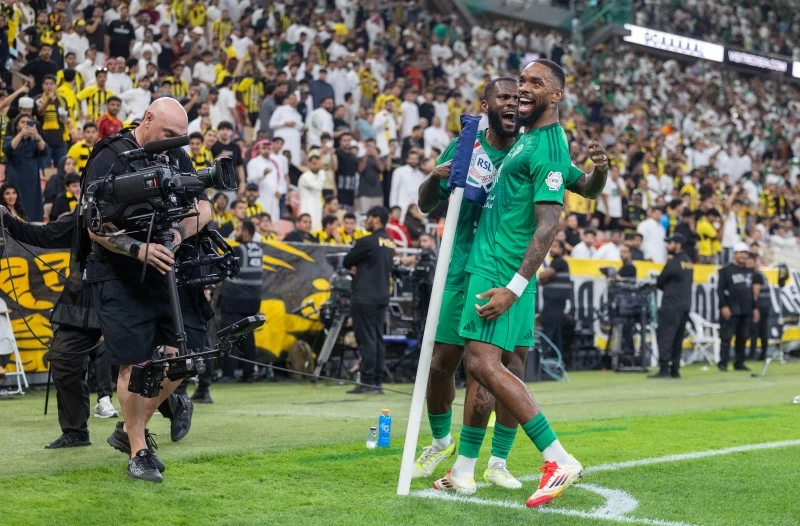
بعد هدوء عاصفة ديربي جدة بين الأهلي والاتحاد بقي مشهد واحد يطفو فوق النقاش: احتفالية إيفان توني بعد الهدف الأول.
هل كانت مجرد احتفالية عفوية في أجواء الديربي، أم أنها تصرف يستوجب تدخل لجنة الانضباط؟
في اللقاء الذي أقيم ضمن الجولة الـ25 من دوري روشن، سجل مهاجم الأهلي الإنجليزي إيفان توني الهدف الأول في شباك الاتحاد في الدقيقة 23، قبل أن يتجه نحو الراية الركنية المواجهة لجماهير الاتحاد ويحتفل بطريقة لافتة أثارت الجدل، إذ تضمن الاحتفال حركات راقصة اعتبرها كثير من المتابعين مستفزة أو تحمل إيحاءات غير لائقة، خصوصاً أنها جاءت مباشرة أمام مدرجات المنافس، وهو ما أشعل موجة انتقادات واسعة على منصات التواصل الاجتماعي، مع مطالبات بإحالة اللقطة إلى لجنة الانضباط والأخلاق. لاحقاً خرج اللاعب ليبرر ما حدث، مؤكداً أن طريقة الاحتفال جاءت بطلب من ابنه ولم يقصد بها الإساءة لأي طرف، في وقت طالب فيه بعض النقاد بضرورة تدخل لجنة الانضباط لمنع تكرار مثل هذه التصرفات، معتبرين أنها لا تنسجم مع الروح الرياضية أو مع الصورة الاحترافية للدوري.
قانونياً، ينقسم الرأي حول الواقعة بين اتجاهين؛ فهناك من يرى أن ما حدث قد يندرج ضمن السلوك غير الرياضي إذا اعتُبر استفزازاً متعمداً لجماهير الفريق المنافس أو احتفالاً يحمل إيحاءات غير لائقة، وهو ما قد يبرر فتح ملف انضباطي قد ينتهي بعقوبة خفيفة مثل الغرامة المالية أو لفت النظر، خصوصاً في ظل سعي الدوري للحفاظ على صورته التنظيمية عالمياً ووجود سوابق عوقب فيها لاعبون بسبب احتفالات اعتُبرت استفزازية.
في المقابل، يرى اتجاه آخر أن الواقعة لا تستوجب تدخلاً انضباطياً، لأن الاحتفال يظل جزءاً طبيعياً من كرة القدم ما لم يتضمن إشارة مهينة صريحة، كما أن عدم تدوين الحكم الواقعة كسلوك غير رياضي في تقرير المباراة يقلل من احتمالية اتخاذ أي إجراء لاحق، إضافة إلى أن الاحتفال لم يتضمن لفظاً أو إشارة مباشرة تجاه لاعب أو حكم، وأن مباريات الديربي بطبيعتها تشهد احتفالات حماسية تتجاوز أحياناً الإطار التقليدي. وبين هذين الرأيين يقف الملف في منطقة رمادية؛ فإذا اعتُبرت الحركة إيحاءً غير لائق أو استفزازاً واضحاً فقد تجد طريقها إلى طاولة لجنة الانضباط، أما إذا فُسرت باعتبارها احتفالاً عفوياً بلا إساءة مباشرة فالغالب أن تمر دون عقوبة، لكن المؤكد أن اللقطة أعادت طرح سؤال قديم في كرة القدم: أين ينتهي الاحتفال المشروع ويبدأ الاستفزاز.
من جانبه، يرى المتخصص في القانون الرياضي الأكاديمي القانوني الدكتور حسن رديف أن ما حدث من لاعب الأهلي خلال مباراة الاتحاد يعد مخالفة سلوكية من حق لجنة الانضباط المعاقبة عليها وفقاً للفقرة الأولى من المادة 98 من لائحة الانضباط والأخلاق حتى لو لم يصدر من حكم المباراة أي قرار أو تقرير بشأنها، لكن الإشكالية ما هو النص الواجب التطبيق على الحالة؟ هل يُعد ما قام به اللاعب مخالفة ضد الجمهور ويعاقب عليها وفقاً للفقرة الثانية من المادة 57 من لائحة الانضباط والأخلاق ويعاقب بغرامة تقدر بمبلغ 100 ألف ريال، أم ما قام به مخالفة ليست ضد الجمهور وهنا يجب على اللجنة معاقبته وفقاً للمبادئ والقيم والأخلاقيات الواجب على كل اللاعبين احترامها، وهنا العقوبة تكون حسب تقدير اللجنة وفقاً للمادة 10 من اللائحة.
احتمالات قانونية
◾️ إيقافه عدداً من المباريات .
◾️ لا تستوجب الإيقاف.
After the calm following the Jeddah derby storm between Al-Ahli and Al-Ittihad, one scene remains prominent in the discussion: Ivan Toney's celebration after the first goal.
Was it merely a spontaneous celebration in the derby atmosphere, or does it warrant intervention from the Disciplinary Committee?
In the match held during the 25th round of the Roshen League, Al-Ahli's English striker Ivan Toney scored the first goal against Al-Ittihad in the 23rd minute, before heading towards the corner flag facing the Al-Ittihad fans and celebrating in a noticeable manner that sparked controversy. The celebration included dance moves that many observers considered provocative or carrying inappropriate implications, especially since it took place directly in front of the rival stands, igniting a wave of criticism on social media platforms, with calls to refer the incident to the Disciplinary and Ethics Committee. Later, the player came out to justify what happened, confirming that the way he celebrated was at the request of his son and that he did not intend to offend any party, while some critics demanded the Disciplinary Committee's intervention to prevent such behaviors from recurring, considering them inconsistent with sportsmanship or the professional image of the league.
Legally, opinions about the incident are divided into two directions; some believe that what happened could fall under unsportsmanlike conduct if it is considered a deliberate provocation of the rival team's fans or a celebration carrying inappropriate implications, which may justify opening a disciplinary file that could end with a light penalty such as a fine or a warning, especially given the league's efforts to maintain its organizational image globally and the existence of precedents where players were punished for celebrations deemed provocative.
On the other hand, another perspective argues that the incident does not warrant disciplinary intervention, as the celebration remains a natural part of football unless it includes a clear insulting gesture. Additionally, the referee's failure to record the incident as unsportsmanlike conduct in the match report reduces the likelihood of any subsequent action, along with the fact that the celebration did not include any words or direct gestures towards a player or referee, and that derby matches, by their nature, often witness enthusiastic celebrations that sometimes exceed the traditional framework. Between these two opinions, the file stands in a gray area; if the movement is considered an inappropriate implication or clear provocation, it may find its way to the Disciplinary Committee's table. However, if interpreted as a spontaneous celebration without direct offense, it is likely to pass without punishment. What is certain is that the incident has raised an old question in football: where does legitimate celebration end and provocation begin.
For his part, sports law specialist and legal academic Dr. Hassan Radif believes that what happened with the Al-Ahli player during the match against Al-Ittihad constitutes a behavioral violation that the Disciplinary Committee has the right to punish according to the first paragraph of Article 98 of the Disciplinary and Ethics Regulations, even if the match referee did not issue any decision or report regarding it. However, the issue is what text should be applied to the case? Is what the player did a violation against the audience punishable under the second paragraph of Article 57 of the Disciplinary and Ethics Regulations, with a fine estimated at 100,000 riyals, or is it a violation not against the audience, in which case the committee should punish him according to the principles, values, and ethics that all players are required to respect, and here the penalty would be at the committee's discretion according to Article 10 of the regulations.
Legal Possibilities
◾️ Suspension for a number of matches.
◾️ No suspension required.