جرائم ترتكب بواسطة الذكاء الاصطناعي تعد خطراً كبيراً على المجتمعات في ظل التطور التكنولوجي الذي تسارعت وتيرته، وساعد في ظهور العديد من الجرائم الحديثة أو ما يطلق عليه «جرائم المستقبل».
وهي لم تكن معلومة منذ سنوات مضت، إذ مكّن الذكاء الاصطناعي من تطوير قدرات تصل خطورتها إلى بناء خبرة ذاتية تمكنها من اتخاذ القرارات وتنفيذ الجرائم باحترافية عالية.
وساهمت محركات الذكاء الاصطناعي، في توفر الأدوات المدعومة التي تمكّن عصابات الاحتيال من تنفيذ جرائمها عبر المحركات في «الشبكة المظلمة»، ما يمكّن المجرمين من تحقيق أهدافهم الخبيثة، عبر رسائل بريد إلكتروني متطورة وبرامج تحاكي الواقع وأخرى تسقط الضحايا دون وعي، فهي مخصصة للتصيّد الاحتيالي بتطوير برامج ضارة مصممة خصيصاً لتجنب كشفها وتجاوز الإجراءات وتعزيز فاعلية هجماتهم الاحتيالية وإنجاحها.
التزييف العميق للصوت
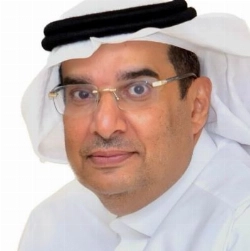
أكد رئيس جامعة نايف العربية للعلوم الأمنية الدكتور عبدالمجيد البنيان، أن الذكاء الاصطناعي بات يمثل أولوية دولية لما له وما سيكون له في المستقبل من انعكاسات كبيرة ستُغير من شكل العالم، وقال: لم يَعُدّ خافياً عن العيان السباق الدولي المحموم لتطوير وامتلاك تقنيات الذكاء الاصطناعي؛ بهدف التفوق في هذا المجال لما ستوفره من مزايا قوة نسبية محتملة في المستقبل.
وسيُهيمن هذا السباق المحموم على المشهد الدولي، وسيستمر لفترة من الزمن، مُحَذراً من المخاطر الكبيرة المرتبطة بهذا الأمر، مثل استخدام هذه التقنيات من قِبَل عصابات الجريمة المنظمة، إذ أشار تقرير صادر أخيراً، إلى أن 85% من أساليب الجريمة السيبرانية استفادت من التقنيات المتقدمة للذكاء الاصطناعي، فضلاً عن المخاطر البيئية المحتملة؛ بسبب استهلاك المياه والكهرباء الضخم الذي تتطلبه الشركات المطورة لهذه التقنيات.
وأضاف البنيان أن هناك تحديات أخلاقية كبيرة محتملة، تتطلب اهتمام الجميع للتعامل معها ووضع التشريعات المناسبة واتخاذ الخطوات اللازمة لمواجهتها قبل وقوعها. وبيّن أن جامعة نايف وضعت الذكاء الاصطناعي على رأس أولويات خطتها الإستراتيجية 2029م، وأنشأت مركزاً متخصصاً للذكاء الاصطناعي الأمني، واستقطبت مجموعة من الخبراء من حول العالم، وأطلقت برنامجاً للماجستير في ذات المجال، ووفّرت برامج تدريبية متخصصة لإعداد القدرات البشرية العربية في مجال الذكاء الاصطناعي وتطبيقاته الأمنية، كما طوّرت عدداً
من التقنيات المبتكرة التي تعتمد على هذه التقنية مثل الكشف عن التزييف العميق للصوت باللغة العربية.
تحذير من المقاطع المفبركة
حذّر إمام وخطيب المسجد الحرام الشيخ عبدالرحمن السديس، في خطبة الجمعة، من الاختراقات الإلكترونية بشتى صورها وأنواعها، وجرائم الذكاء الاصطناعي الذي أصبح متاحاً للجميع، وجرائم وسائل التواصل الاجتماعي كالابتزاز والتشهير والمقاطع المفبركة وبثّ الشائعات.
وشدد على أنه يجب مواجهة هذه الأنشطة الإجرامية صفاً واحداً في وجه كل من يحاول زعزعة الأمن المجتمعي، بشق الصف وإحداث الفرقة والخلل، وبثّ الشائعات، والكذب بمقاطع مكذوبة، أو أقوال منتحلة.
وأشار إلى أن الأمن المجتمعي بات ضرورة حتمية؛ لمعرفة أساليب النصب والاحتيال، وكيفية التعامل معها والوقاية منها، ووقاية المجتمع من الجرائم المستحدثة التي تنتهك الحقوق وتستهدف الدين والأنفس والعقول والأعراض والأموال، محذراً البعض من أن يكونوا أدوات أو مطايا للأعداء.
أنظمة قوية وحماية فائقة
أكد رئيس نيابة الاحتيال المالي في النيابة العامة الدكتور نايف الواكد، أن تصدّر السعودية مؤشر الأمن السيبراني العالمي لعام 2024م، يعكس قوة الأنظمة الإلكترونية الحكومية وحمايتها الفائقة، مؤكداً عدم تسجيل أي جريمة احتيال مالي ناتجة عن اختراق الأنظمة السيبرانية للبلاد، في حين كانت الجرائم المسجلة نتيجة استغلال الجناة البيانات الشخصية للضحايا.
وأوضح أن نيابات الاحتيال المالي تعمل باستمرار على مدار الساعة طوال أيام الأسبوع في جميع مناطق السعودية، لتلقي البلاغات من جهات الضبط الجنائي، مضيفاً أن الإبلاغ الفوري للشرطة والبنك يعد خطوة حاسمة لضمان استرداد الأموال التي تم الاستيلاء عليها ومنع تحويلها للخارج.
ونوّه بأن السعودية أقل من المتوسط العالمي في جرائم الاحتيال المالي، التي بلغ حجمها عالمياً 6.5 تريليون دولار عام 2021م، ويزداد نمواً بنسبة 15%، مع توقعات بأن يصل إلى 10.5 تريليون دولار في 2025م.
وعدّ الواكد بيانات المواطنين في الخدمات الحكومية؛ مثل «أبشر» و«النفاذ الوطني» خطاً أحمر، مطالباً الجميع بتوخي الحذر، وعدم مشاركة رموز التحقق أو البيانات الشخصية مع أي جهة غير موثوقة، إذ إن المحتال يمكنه الوصول حتى مع وجود جدار حماية قوي إذا كان بحوزته المفتاح، وهو بياناتك الشخصية.
جرائم موجبة للتوقيف
أوضح المحامي عبدالعزيز بن دبشي، أن جرائم الاحتيال المالي من الجرائم الكبيرة الموجبة للتوقيف، وتتضمن جانبين؛ هما الحق العام والحق الخاص في المطالبة بعودة المبالغ المالية التي حصل عليها المحتال في جريمته.
وأضاف أن الممارسات التي من شأنها الجناية على أموال الآخرين بالاحتيال عليهم وسرقتها تقع تحت طائلة المساءلة الجزائية المشددة، وتستوجب عقوبات ما بين السجن والغرامة، فضلاً عن إبعاد غير السعوديين عن البلاد عقوبةً تبعيةً عقب تنفيذ العقوبة في الحقين الخاص والعام.
وأوضح أن عقوبة النصب والاحتيال تنص على السجن مدة لا تزيد على ثلاث سنوات وبغرامة لا تزيد على مليوني ريال أو بإحدى هاتين العقوبتين لكل شخص يرتكب أيّاً من الجرائم المعلوماتية المصنفة؛ ومنها الاستيلاء لنفسه أو لغيره على مال منقول أو على سند، أو توقيع هذا السند وذلك عن طريق الاحتيال، أو اتخاذ اسم كاذب أو انتحال صفة غير صحيحة. وبين أن المادة الخامسة من نظام مكافحة جرائم المعلوماتية نصت على السجن مدة لا تزيد على ثلاث سنوات وبغرامة لا تزيد على مليوني ريال، أو بإحدى هاتين العقوبتين؛ لكل شخص يقوم بالاستيلاء لنفسه أو لغيره على مال منقول أو على سند، أو توقيع هذا السند، وذلك عن طريق الاحتيال، أو اتخاذ اسم كاذب، أو انتحال صفة غير صحيحة.
جرائم عميقة ومعقدة
الباحث خبير الأمن السيبراني محمد السريع، عرّف جرائم الذكاء الاصطناعي بأنها جرائم ترتكب باستخدام التقنية، وغالبها جرائم تقليدية مثل الاحتيال والقرصنة، إضافة إلى جرائم جديدة مستحدثة مثل التزييف العميق والهجمات السيبرانية المعقدة. وقسّم السريع أنواع جرائم الذكاء الاصطناعي إلى جرائم الاحتيال والقرصنة عبر إنشاء رسائل تصيّد احتيالي أكثر إقناعاً، أو لاختراق الأنظمة الأمنية للشركات والمؤسسات، وجرائم التزييف العميق لإنشاء مقاطع فيديو أو تسجيلات صوتية مزيفة (تزييف عميق) لأشخاص، مما قد يؤدي إلى تشويه سمعتهم أو التسبب في ضرر مالي أو معنوي لهم. ومن تلك الجرائم الهجمات السيبرانية، إذ يستخدم الذكاء الاصطناعي لتطوير هجمات سيبرانية أكثر تعقيداً وفعالية، مثل هجمات الفدية وهجمات تعطيل الخدمات. وشدد على أن التطور السريع في تقنيات الذكاء الاصطناعي يمثل تحدياً كبيراً للجهات الأمنية والقانونية، وتصعب أحياناً مواكبة هذه التقنيات وتطوير إستراتيجيات فعالة لمكافحتها، ومن الصعب تحديد المسؤولية الجنائية في جرائم الذكاء الاصطناعي، خصوصاً في الحالات التي تستخدم فيها تقنيات الذكاء الاصطناعي بشكل مستقل يصعب معها كشف موقع وجود المحتال كونه يستخدم معرفات وتقنيات يصعب معها تحديد موقع وجوده.
وأكد الخبير السريع ضرورة أهمية مكافحة جرائم الذكاء الاصطناعي ورفع الوعي بخطورتها وتفعيل برامج الحماية والمكافحة لها وتعزيز الوعي ورفع درجات العلم والدراسة بها، فلا نمر بها مرور الكرام، بل يجب التوقف عندها والعناية بها وطرق كشفها والحماية منها.
جرائم في الذكاء الاصطناعي!
1 أغسطس 2025 - 02:18
|
آخر تحديث 1 أغسطس 2025 - 02:18


تابع قناة عكاظ على الواتساب
إبراهيم العلوي (جدة) i_waleeed22 @
Crimes committed by artificial intelligence pose a significant danger to societies in light of the rapid technological advancement that has accelerated, contributing to the emergence of many modern crimes, or what is referred to as "future crimes."
These were not known years ago, as artificial intelligence has enabled the development of capabilities whose danger reaches the point of building self-experience that allows it to make decisions and execute crimes with high professionalism.
Artificial intelligence engines have contributed to providing supported tools that enable fraud gangs to carry out their crimes through engines in the "dark web," allowing criminals to achieve their malicious goals through sophisticated emails, programs that simulate reality, and others that ensnare victims without their awareness. They are designed for phishing by developing malicious programs specifically designed to avoid detection, bypass procedures, and enhance the effectiveness of their fraudulent attacks and ensure their success.
Deepfake Audio
Dr. Abdulmajid Al-Bunyan, President of Naif Arab University for Security Sciences, confirmed that artificial intelligence has become an international priority due to its current and future significant implications that will change the shape of the world. He stated: "The international race to develop and possess artificial intelligence technologies is no longer hidden from view; the aim is to excel in this field for the potential relative advantages it will provide in the future."
This frantic race will dominate the international scene and will continue for some time, warning of the significant risks associated with this matter, such as the use of these technologies by organized crime gangs. A recent report indicated that 85% of cybercrime methods have benefited from advanced artificial intelligence technologies, in addition to potential environmental risks due to the massive consumption of water and electricity required by companies developing these technologies.
Al-Bunyan added that there are significant ethical challenges that require everyone's attention to address them, establish appropriate legislation, and take necessary steps to confront them before they occur. He indicated that Naif University has placed artificial intelligence at the top of its strategic plan priorities for 2029, established a specialized center for security artificial intelligence, attracted a group of experts from around the world, launched a master's program in the same field, and provided specialized training programs to prepare Arab human capacities in the field of artificial intelligence and its security applications. It has also developed a number of
innovative technologies based on this technology, such as detecting deepfake audio in Arabic.
Warning Against Fabricated Clips
Sheikh Abdulrahman Al-Sudais, Imam and Khateeb of the Grand Mosque, warned during the Friday sermon about electronic breaches in all their forms and types, and the crimes of artificial intelligence that have become accessible to everyone, as well as crimes on social media such as extortion, defamation, fabricated clips, and spreading rumors.
He emphasized that these criminal activities must be confronted as one front against anyone attempting to undermine community security by creating divisions, spreading rumors, and lying with fabricated clips or impersonated statements.
He pointed out that community security has become an imperative necessity to understand the methods of fraud and how to deal with and prevent them, protecting society from emerging crimes that violate rights and target religion, lives, minds, honor, and money, warning some not to become tools or mounts for enemies.
Strong Systems and Superior Protection
Dr. Naif Al-Waqid, Head of the Financial Fraud Prosecution at the Public Prosecution, confirmed that Saudi Arabia's leading position in the Global Cybersecurity Index for 2024 reflects the strength of government electronic systems and their superior protection, affirming that no financial fraud crime resulting from breaches of the country's cyber systems has been recorded, while registered crimes resulted from perpetrators exploiting victims' personal data.
He explained that financial fraud prosecutions work continuously around the clock throughout all regions of Saudi Arabia to receive reports from law enforcement agencies, adding that immediate reporting to the police and the bank is a crucial step to ensure the recovery of misappropriated funds and prevent their transfer abroad.
He noted that Saudi Arabia is below the global average in financial fraud crimes, which amounted to $6.5 trillion globally in 2021, growing at a rate of 15%, with expectations that it will reach $10.5 trillion by 2025.
Al-Waqid considered citizens' data in government services, such as "Absher" and "National Access," a red line, urging everyone to exercise caution and not share verification codes or personal data with any untrusted party, as fraudsters can access even with a strong firewall if they have the key, which is your personal data.
Crimes Subject to Detention
Lawyer Abdulaziz bin Dubashi clarified that financial fraud crimes are major crimes subject to detention, encompassing two aspects: public rights and private rights in claiming the return of the financial amounts obtained by the fraudster in their crime.
He added that practices that harm others' money through fraud and theft fall under the scope of strict criminal accountability, warranting penalties ranging from imprisonment to fines, in addition to deporting non-Saudis from the country as a secondary punishment after serving the penalties for both private and public rights.
He explained that the penalty for fraud and deception stipulates imprisonment for a period not exceeding three years and a fine not exceeding two million riyals, or one of these penalties for anyone committing any of the classified cyber crimes, including misappropriating for themselves or others movable property or a document, or signing this document through fraud, or using a false name or impersonating an incorrect identity. He noted that Article 5 of the Anti-Cyber Crimes Law stipulates imprisonment for a period not exceeding three years and a fine not exceeding two million riyals, or one of these penalties for anyone who misappropriates for themselves or others movable property or a document, or signs this document through fraud, or uses a false name or impersonates an incorrect identity.
Deep and Complex Crimes
Cybersecurity expert Mohammed Al-Sari' defined artificial intelligence crimes as crimes committed using technology, most of which are traditional crimes such as fraud and hacking, in addition to newly emerging crimes such as deepfakes and complex cyberattacks. Al-Sari' categorized types of artificial intelligence crimes into fraud and hacking crimes by creating more convincing phishing messages or breaching the security systems of companies and institutions, and deepfake crimes to create fake videos or audio recordings (deepfakes) of individuals, which may lead to damaging their reputation or causing them financial or moral harm. Among these crimes are cyberattacks, where artificial intelligence is used to develop more complex and effective cyberattacks, such as ransomware and denial-of-service attacks. He emphasized that the rapid advancement in artificial intelligence technologies poses a significant challenge to security and legal entities, making it sometimes difficult to keep pace with these technologies and develop effective strategies to combat them, and it is challenging to determine criminal responsibility in artificial intelligence crimes, especially in cases where artificial intelligence technologies are used independently, making it difficult to detect the perpetrator's location as they use identifiers and techniques that complicate pinpointing their whereabouts.
Al-Sari' stressed the importance of combating artificial intelligence crimes, raising awareness of their dangers, activating protection and combat programs, and enhancing knowledge and study levels in this field, so that we do not pass by them lightly, but rather must pause and pay attention to them, and to the methods of detecting and protecting against them.
These were not known years ago, as artificial intelligence has enabled the development of capabilities whose danger reaches the point of building self-experience that allows it to make decisions and execute crimes with high professionalism.
Artificial intelligence engines have contributed to providing supported tools that enable fraud gangs to carry out their crimes through engines in the "dark web," allowing criminals to achieve their malicious goals through sophisticated emails, programs that simulate reality, and others that ensnare victims without their awareness. They are designed for phishing by developing malicious programs specifically designed to avoid detection, bypass procedures, and enhance the effectiveness of their fraudulent attacks and ensure their success.
Deepfake Audio
Dr. Abdulmajid Al-Bunyan, President of Naif Arab University for Security Sciences, confirmed that artificial intelligence has become an international priority due to its current and future significant implications that will change the shape of the world. He stated: "The international race to develop and possess artificial intelligence technologies is no longer hidden from view; the aim is to excel in this field for the potential relative advantages it will provide in the future."
This frantic race will dominate the international scene and will continue for some time, warning of the significant risks associated with this matter, such as the use of these technologies by organized crime gangs. A recent report indicated that 85% of cybercrime methods have benefited from advanced artificial intelligence technologies, in addition to potential environmental risks due to the massive consumption of water and electricity required by companies developing these technologies.
Al-Bunyan added that there are significant ethical challenges that require everyone's attention to address them, establish appropriate legislation, and take necessary steps to confront them before they occur. He indicated that Naif University has placed artificial intelligence at the top of its strategic plan priorities for 2029, established a specialized center for security artificial intelligence, attracted a group of experts from around the world, launched a master's program in the same field, and provided specialized training programs to prepare Arab human capacities in the field of artificial intelligence and its security applications. It has also developed a number of
innovative technologies based on this technology, such as detecting deepfake audio in Arabic.
Warning Against Fabricated Clips
Sheikh Abdulrahman Al-Sudais, Imam and Khateeb of the Grand Mosque, warned during the Friday sermon about electronic breaches in all their forms and types, and the crimes of artificial intelligence that have become accessible to everyone, as well as crimes on social media such as extortion, defamation, fabricated clips, and spreading rumors.
He emphasized that these criminal activities must be confronted as one front against anyone attempting to undermine community security by creating divisions, spreading rumors, and lying with fabricated clips or impersonated statements.
He pointed out that community security has become an imperative necessity to understand the methods of fraud and how to deal with and prevent them, protecting society from emerging crimes that violate rights and target religion, lives, minds, honor, and money, warning some not to become tools or mounts for enemies.
Strong Systems and Superior Protection
Dr. Naif Al-Waqid, Head of the Financial Fraud Prosecution at the Public Prosecution, confirmed that Saudi Arabia's leading position in the Global Cybersecurity Index for 2024 reflects the strength of government electronic systems and their superior protection, affirming that no financial fraud crime resulting from breaches of the country's cyber systems has been recorded, while registered crimes resulted from perpetrators exploiting victims' personal data.
He explained that financial fraud prosecutions work continuously around the clock throughout all regions of Saudi Arabia to receive reports from law enforcement agencies, adding that immediate reporting to the police and the bank is a crucial step to ensure the recovery of misappropriated funds and prevent their transfer abroad.
He noted that Saudi Arabia is below the global average in financial fraud crimes, which amounted to $6.5 trillion globally in 2021, growing at a rate of 15%, with expectations that it will reach $10.5 trillion by 2025.
Al-Waqid considered citizens' data in government services, such as "Absher" and "National Access," a red line, urging everyone to exercise caution and not share verification codes or personal data with any untrusted party, as fraudsters can access even with a strong firewall if they have the key, which is your personal data.
Crimes Subject to Detention
Lawyer Abdulaziz bin Dubashi clarified that financial fraud crimes are major crimes subject to detention, encompassing two aspects: public rights and private rights in claiming the return of the financial amounts obtained by the fraudster in their crime.
He added that practices that harm others' money through fraud and theft fall under the scope of strict criminal accountability, warranting penalties ranging from imprisonment to fines, in addition to deporting non-Saudis from the country as a secondary punishment after serving the penalties for both private and public rights.
He explained that the penalty for fraud and deception stipulates imprisonment for a period not exceeding three years and a fine not exceeding two million riyals, or one of these penalties for anyone committing any of the classified cyber crimes, including misappropriating for themselves or others movable property or a document, or signing this document through fraud, or using a false name or impersonating an incorrect identity. He noted that Article 5 of the Anti-Cyber Crimes Law stipulates imprisonment for a period not exceeding three years and a fine not exceeding two million riyals, or one of these penalties for anyone who misappropriates for themselves or others movable property or a document, or signs this document through fraud, or uses a false name or impersonates an incorrect identity.
Deep and Complex Crimes
Cybersecurity expert Mohammed Al-Sari' defined artificial intelligence crimes as crimes committed using technology, most of which are traditional crimes such as fraud and hacking, in addition to newly emerging crimes such as deepfakes and complex cyberattacks. Al-Sari' categorized types of artificial intelligence crimes into fraud and hacking crimes by creating more convincing phishing messages or breaching the security systems of companies and institutions, and deepfake crimes to create fake videos or audio recordings (deepfakes) of individuals, which may lead to damaging their reputation or causing them financial or moral harm. Among these crimes are cyberattacks, where artificial intelligence is used to develop more complex and effective cyberattacks, such as ransomware and denial-of-service attacks. He emphasized that the rapid advancement in artificial intelligence technologies poses a significant challenge to security and legal entities, making it sometimes difficult to keep pace with these technologies and develop effective strategies to combat them, and it is challenging to determine criminal responsibility in artificial intelligence crimes, especially in cases where artificial intelligence technologies are used independently, making it difficult to detect the perpetrator's location as they use identifiers and techniques that complicate pinpointing their whereabouts.
Al-Sari' stressed the importance of combating artificial intelligence crimes, raising awareness of their dangers, activating protection and combat programs, and enhancing knowledge and study levels in this field, so that we do not pass by them lightly, but rather must pause and pay attention to them, and to the methods of detecting and protecting against them.