


برز دور المرأة السعودية الفاعل والمؤثر جليّاً في منظومة الحج، وتوزعت أدوارها بين الأمن، الرعاية الصحية، الإعلام، الإرشاد والتطوع، الغذاء، النقل، الطوافة، الكشافة، إضافة إلى مجالات رئيسية عدة، وأدت السعوديات دوراً رئيسياً مهماً أكد إمكاناتهن وقدراتهن في التعامل مع ضيوف الرحمن في المشاعر المقدسة والمطارات ووسائل الإعلام والنقل والسياحة.
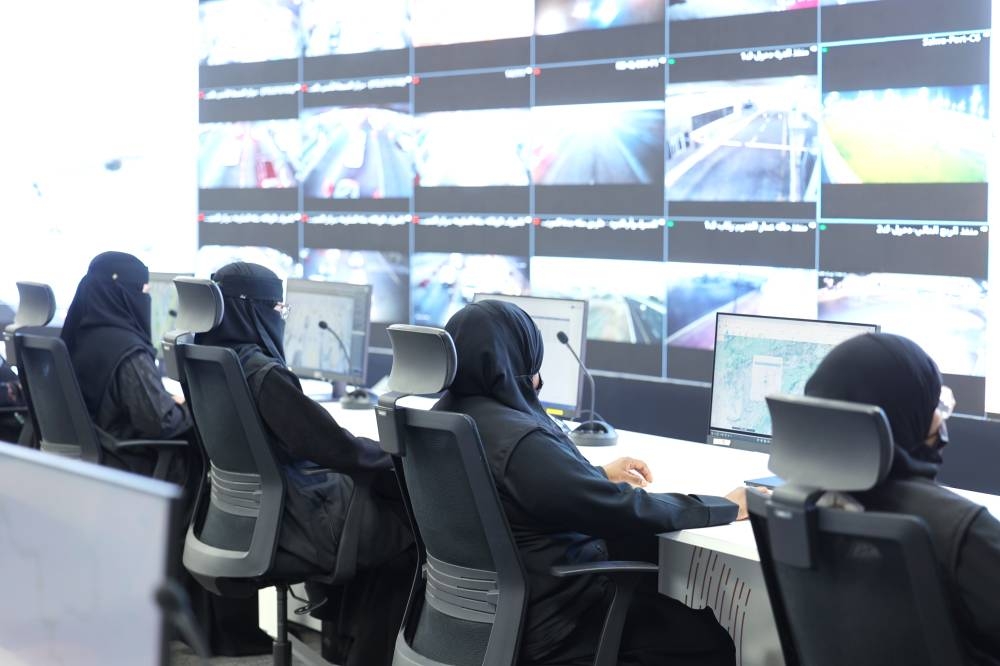
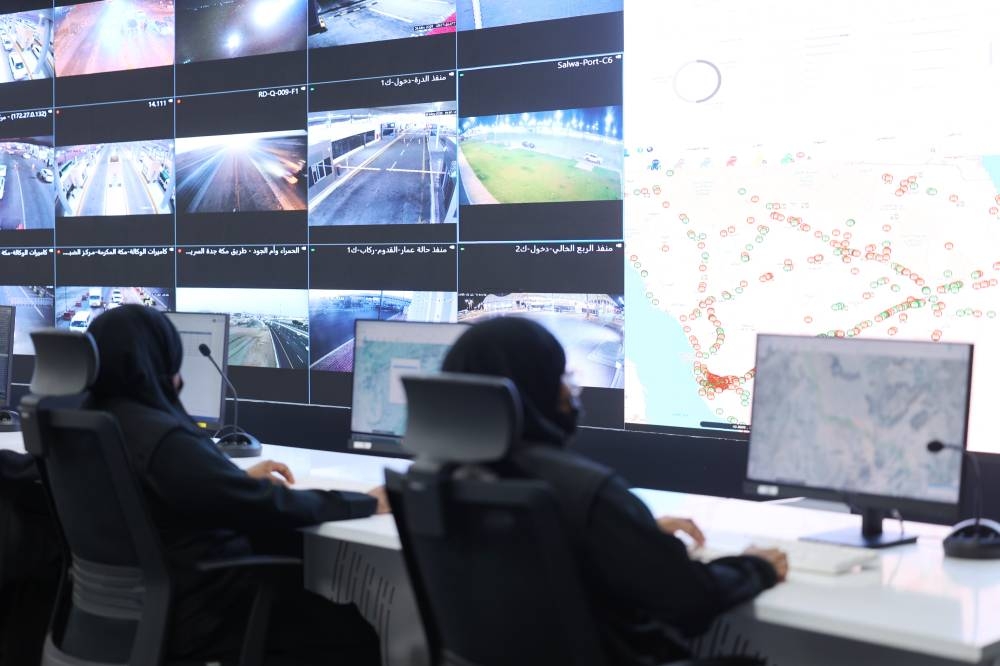
لقد حظيت المرأة السعودية منذ إطلاق رؤية السعودية 2030، بتمكين غير مسبوق في الجهات الحكومية، كوزارة الداخلية وقطاعاتها الأمنية، وعززت الداخلية تمكين المرأة في ديوان الوزارة وقطاعاتها الأمنية، بإشراكها في مهمات خدمة ضيوف الرحمن وأمن المسجد الحرام والمشاعر المقدسة ومباشرتها أعمال التنظيم والمتابعة الميدانية والترجمة واستقبال البلاغات التي تُعنى بسلامة أمن الحجيج والمعتمرين، والإسهام في حفظ الأمن، وتعزيز السلامة الوقائية من خلال إعداد الخطط التنفيذية في أعمال الدفاع المدني والأعمال المساندة، وتفقد أوضاع السلامة والأوضاع الوقائية العامة في المنشآت، وخدمة زوار المملكة في المنافذ، وترميم الوثائق ومعالجتها، وتطوير الخدمات الإلكترونية وتحليل المعلومات وبناء المؤشرات وتحسين الأعمال، وتلقي البلاغات الأمنية الطارئة عبر مراكز العمليات الأمنية الموحدة (911) في مناطق مكة المكرمة والرياض والشرقية والمدينة المنورة.
إشراف على نقاط التفتيش
أسهمت المرأة السعودية في مكافحة الجريمة بأنواعها كافة، والمحافظة على البيئة، والمشاركات المحلية والإقليمية والدولية، واللغات والترجمة، وتنظيم المعارض والمؤتمرات، ودعم غرف العمليات الأمنية، وخدمة المجتمع وطب الأسرة، وإعداد وتنفيذ البرامج التدريبية والتطويرية لمنسوبات القطاعات الأمنية أثناء التأهيل وعلى رأس العمل وتطوير المعايير اللازمة لجودة التأهيل والتدريب، وتنفيذ مهمات السجون في الحراسة والنقل والحماية والمراقبة وتقديم الاستشارات التدريبية والدراسية الأمنية.
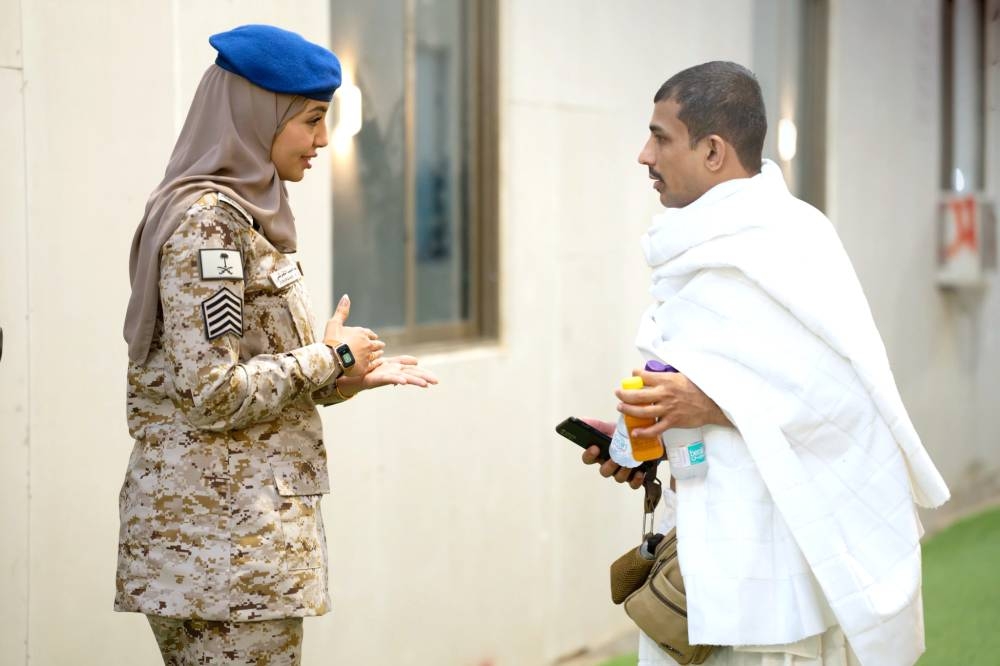
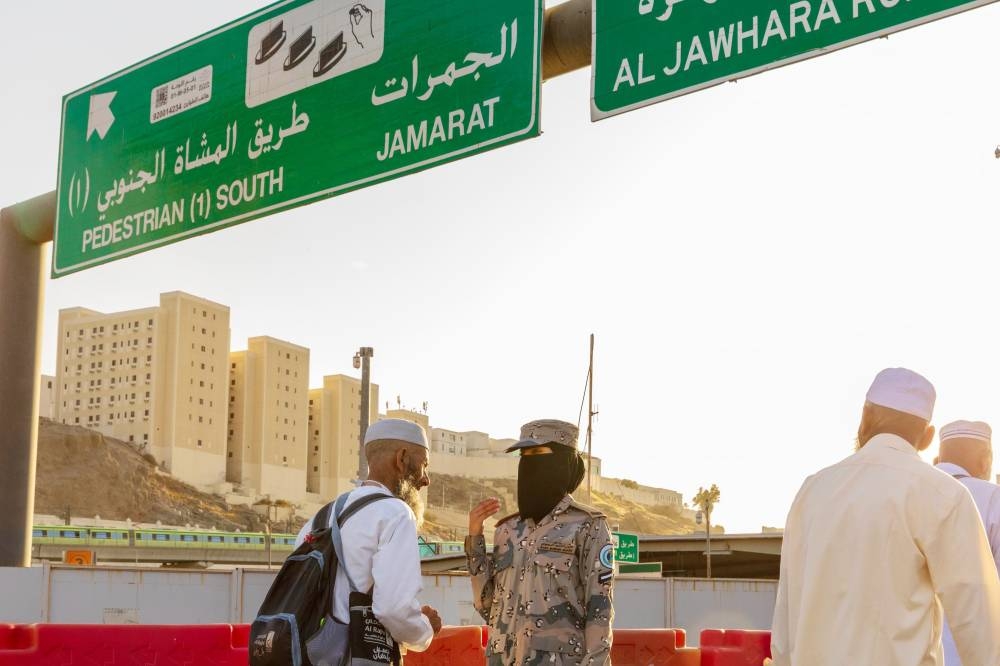
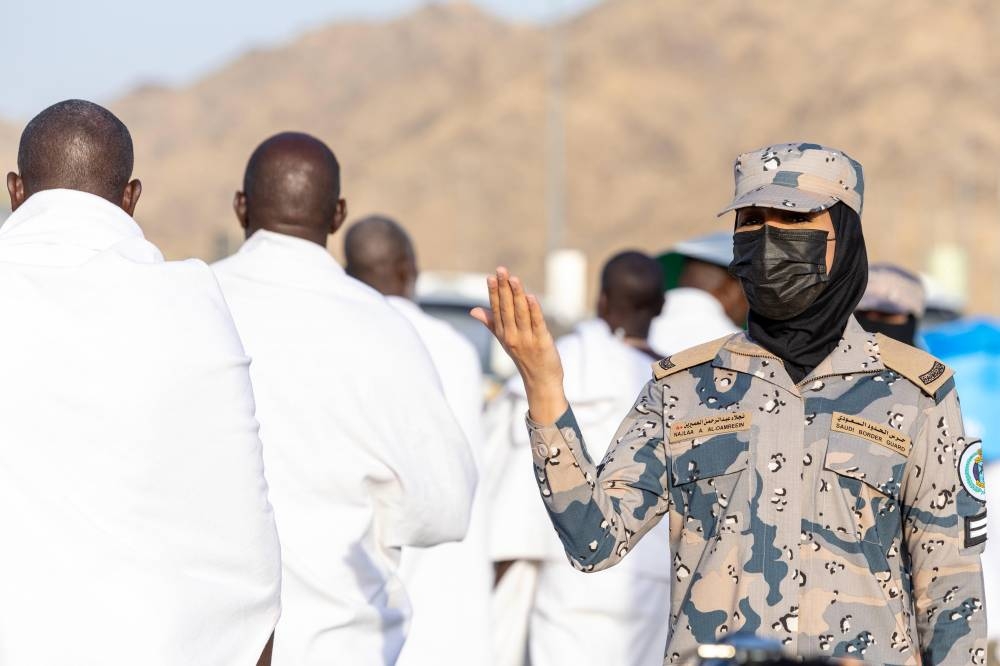
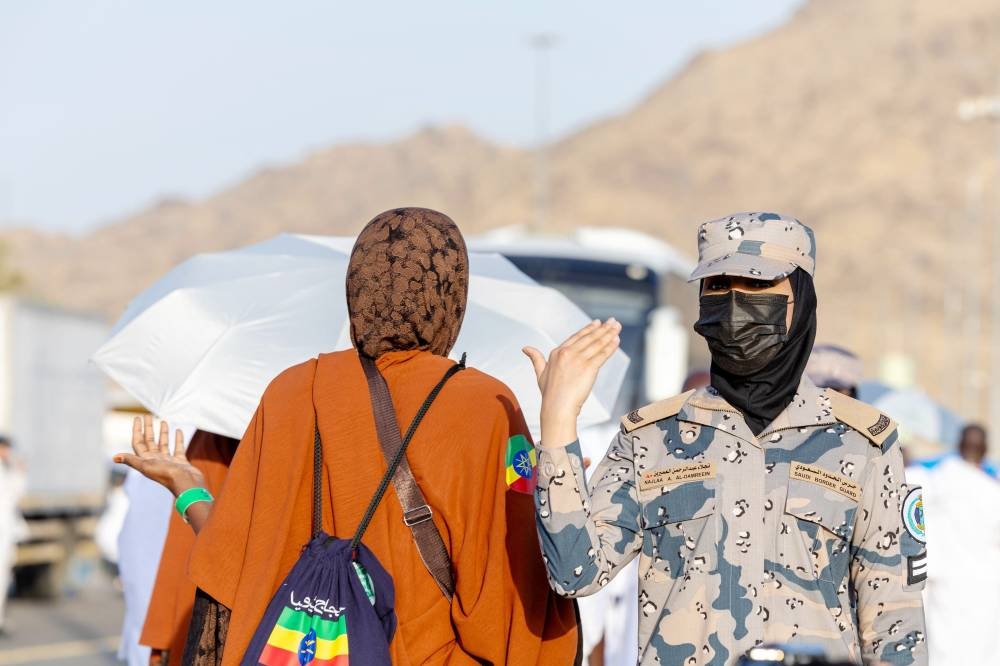
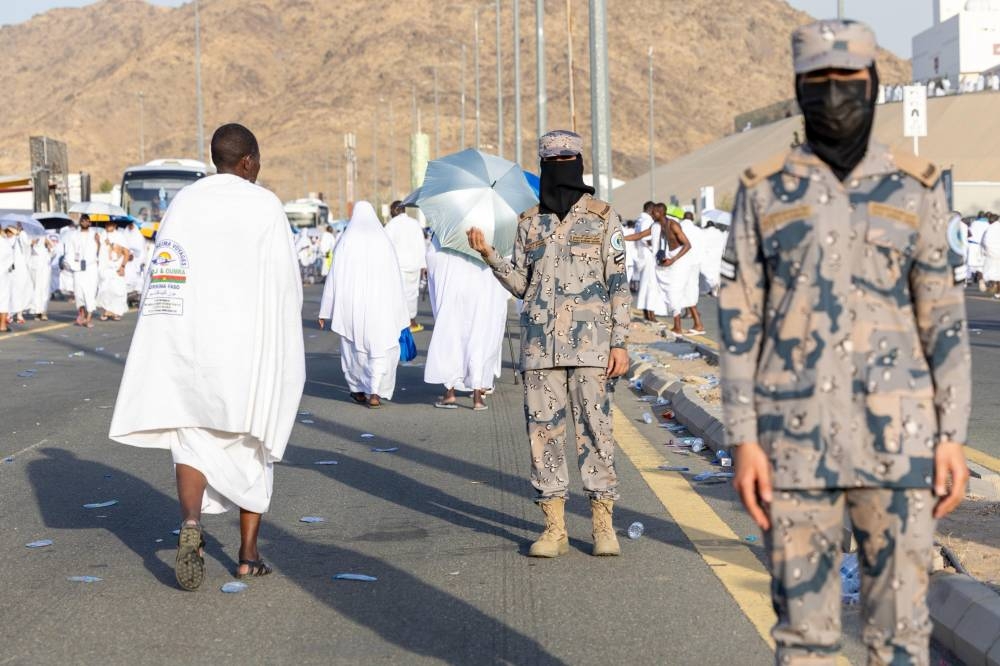
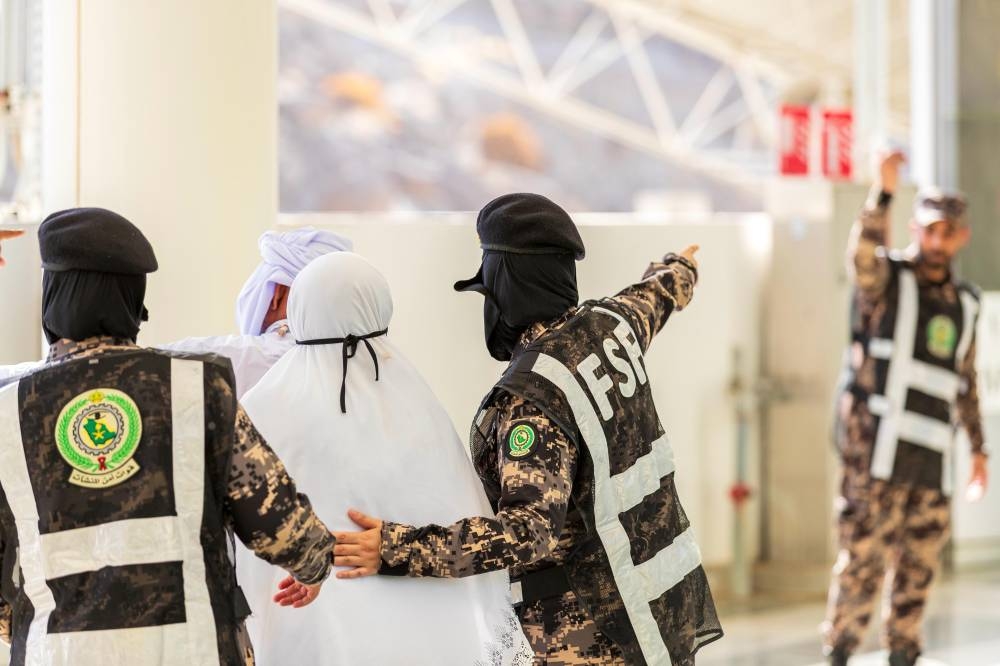
وتؤدي الكوادر النسائية في الجهات الأمنية أدواراً حيوية في تنظيم حركة الحجاج، والإشراف على نقاط التفتيش، وضمان انسيابية الدخول إلى المواقع المخصصة للعبادة، بما يُجسد كفاءتهن المهنية في التعامل مع الحشود وتنظيمها بفعالية.
دور مؤثر للمجندات
دخلت المرأة السعودية، القطاع العسكري في سنوات سابقة في نطاقات ضيقة تركزت في السجون، والجوازات، والمهمات الطبية والتمريضية؛ وفي 2018م، عملت في القطاع العسكري عبر وزارتي الداخلية والدفاع، وشغلت وظائف متعددة في الأمن العام، والجوازات، والقوات الجوية والبحرية وغيرها.
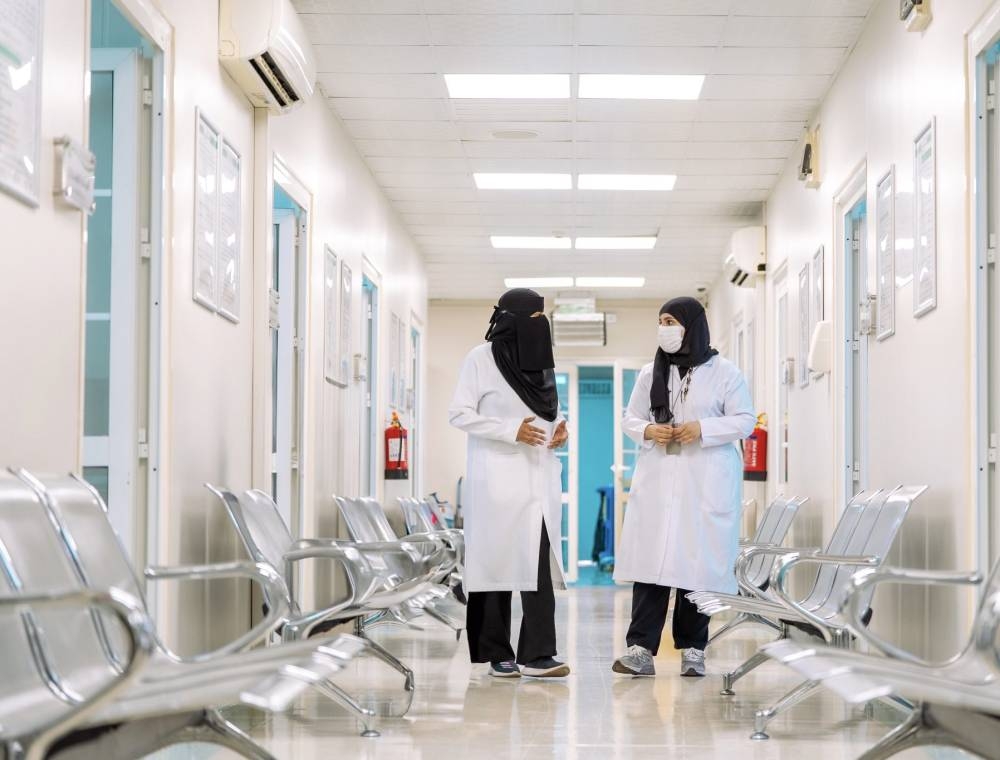
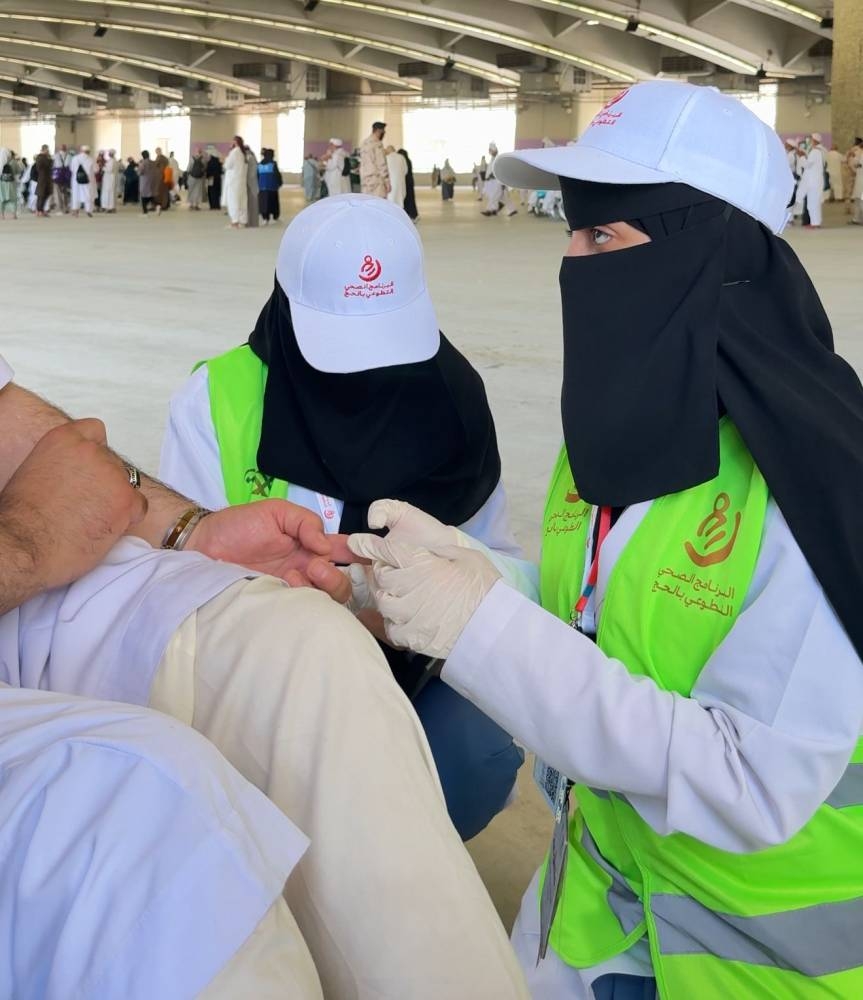
وفي 2021م، افتتح أول معهد تدريب نسائي للأمن العام؛ ليعمل على تجهيز وتدريب المجندات في عدد من التخصصات الأمنية والفنية، ويخرِّج خلال السنوات الماضية العديد من العناصر النسائية اللواتي خدمن في قطاعات أمنية عدة. وفي مجال الإعلام برزن في التقديم والتصوير والأعمال الصحفية، أما في القطاع الصحي ظلت المرأة السعودية منذ الأزل في الخدمات الطبية المتكاملة للحجاج، عبر فرق تضم طبيبات، وممرضات، ومساعدات صحيات ومتطوعات يعملن على مدار الساعة لتأمين الرعاية الأولية، والتعامل مع الحالات الطارئة، وتنفيذ حملات التوعية الصحية، ولا يقتصر دورهن على المنشآت الصحية، بل في أرجاء المشاعر والمسجد الحرام يقدمن الرعاية الطبية اللازمة لمن يحتاجها.
مطوفات وداعمات
تعمل السعوديات مطوفات في الحج، وتنشر اللجان المنظمة طواقمها التي تضم كوادر نسائية، وتلعب المطوفة دوراً توعوياً وتثقيفياً مهماً، فهناك بعض التساؤلات الخاصة التي تعجز النساء عن طرحها أمام الرجال تتعلق بأركان الحج وواجباته، فتتولى المطوفة الإجابة عنها وتوعية السيدات بها. ويتجاوز دور المطوفة، خصوصاً مع المريضات، ما سبق، فهي تتحول إلى ممرضة وداعمة نفسية؛ كونها ترعى المرأة المريضة وتشجعها على أداء المناسك على أفضل وجه ممكن.
وقدمت المرأة السعودية خدمات جليلة لضيوف الرحمن في الإرشاد والغذاء والأعمال الإنسانية وتوزيع الوجبات والمياه، وتقديم الدعم اللوجستي، في صورة مشرقة تعكس روح المبادرة والمسؤولية المجتمعية.
ويمثل هذا التنوع في الأدوار التي تؤديها المرأة السعودية خلال موسم الحج، تجسيداً عمليّاً لتمكين المرأة، ويؤكد دورها الفاعل في مختلف القطاعات، ما يعزز من مكانتها شريكاً أساسيّاً في التنمية وخدمة الحجاج، ويشكل نموذجاً يُحتذى به.
نجاح مشروع التمكين
الخبير الأمني اللواء متقاعد مسفر الجعيد، أكد أن بروز دور المرأة السعودية، ومشاركتها الفاعلة في العديد من المجالات، أثبت مدى قدرتها الكبيرة على أن توجد لها كياناً قوياً قادراً على المشاركة في حفظ أمن الوطن وخدمة ضيوف الرحمن. وأضاف: أثبتت المرأة السعودية قدرتها على خوض التحديات الكبيرة، من خلال الإنجازات التي قامت بها، فقد أثبتت تميزها على أكثر من صعيد، وفي أكثر من مجال، وأكد الخبراء والمختصون أن المرأة قدمت كل المساندة والاحترافية في المجالات الأمنية، بعد أن تلقت دورات مكثفة تؤهلها لأن تشارك في العمل الأمني، عبر الشرط والمرور والتحقيق والنيابة العامة والأمن الفكري، وغيرها من المجالات التي توقعوا أن تحقق فيها إنجازات ونجاحات كبيرة؛ لتساهم في خدمة وتنمية الوطن.
وأوضح اللواء الجعيد أن تجارب ومبادرات سابقة لمشاركة المرأة في المجال الأمني في السجون النسائية قد أثبتت نجاحاً وتميزاً كبيراً.
من جانبه، أشار اللواء متقاعد سالم المطرفي إلى أن العديد من القطاعات العامة والخاصة حول العالم تشهد تحولاً مهماً في عمل المرأة. ومن بين هذه القطاعات، يلتفت العالم بشكل متزايد إلى دور المرأة في مجالات الأمن والدفاع؛ فالنساء لم يعدن مجرد شريكات محتملات في حفظ الأمن العام، بل أصبحن شريكات يسهمن بشكل فاعل في تحقيق التوازن في المجالات الأمنية.
وأضاف: إن مسارات تمكين المرأة السعودية باتت جزءاً من مفاصل العمل كافة، دون حصرها في نطاق محدود. ودخولها في وزارتي الداخلية والدفاع ليس خروجاً عن النمطية المعروفة عن المرأة السعودية، فقد سبق لها الدخول في مجالات كثيرة لم تكن متاحة لها مسبقاً، وهذا تأكيد على نجاح مشروع التمكين.
إسهامات كبيرة في الأدلة الجنائية
اللواء متقاعد المطرفي بيّن أن المرأة في الأمن العام تشارك في عدد من المهمات الأمنية، وفي مقدمتها خدمة ضيوف الرحمن، إذ تم تعيين مجندات في القوات الخاصة لأمن الحرمين الشريفين، والأعمال الشرطية، كما تم تكليفها بالعمل في الإدارة العامة للأدلة الجنائية وفروعها، في تحقيق الشخصية، وفحص السوابق والتصوير الجنائي، وإجراء الفحوص الطبية الحيوية في مجال البصمة الوراثية (DNA)، والمختبرات الجنائية، وفحص جميع العينات التي ترفع من مسرح الجريمة، وفحص ومضاهاة الخطوط في مجال التزييف والتزوير، لكشف ملابسات مختلف القضايا، إضافة إلى الأعمال الإدارية والمالية والموارد البشرية والمراجعة الداخلية، وتقنية المعلومات، والأنظمة.
كما عملت المرأة في الدفاع المدني على إعداد الخطط التنفيذية لزيادة مشاركة المرأة في الأعمال المساندة، حسب الحاجة، كما تقوم بالكشف الوقائي والتفتيش وتفقد أوضاع السلامة في مخيمات الحجاج والأوضاع الوقائية العامة في المنشآت.
المرأة السعودية في الحج.. كفاءة أمنية.. احترافية
20 يونيو 2025 - 06:54
|
آخر تحديث 20 يونيو 2025 - 06:54


تابع قناة عكاظ على الواتساب
إبراهيم العلوي (جدة) @i_waleeed22
The role of Saudi women has become clearly active and influential in the Hajj system, with their roles distributed among security, healthcare, media, guidance, volunteering, food, transportation, and various other key areas. Saudi women have played a significant and essential role that has confirmed their capabilities in dealing with the guests of Allah in the holy sites, airports, media, transportation, and tourism.
Since the launch of Saudi Vision 2030, Saudi women have enjoyed unprecedented empowerment in government entities, such as the Ministry of Interior and its security sectors. The Ministry of Interior has enhanced women's empowerment within the ministry's office and its security sectors by involving them in tasks related to serving the guests of Allah and ensuring the security of the Grand Mosque and the holy sites. They have also undertaken organizational and field monitoring tasks, translation, and receiving reports concerning the safety of pilgrims and Umrah performers, contributing to maintaining security and enhancing preventive safety through the preparation of executive plans for civil defense and supportive tasks, checking safety conditions and general preventive situations in facilities, serving visitors to the Kingdom at entry points, restoring and processing documents, developing electronic services, analyzing information, building indicators, improving operations, and receiving emergency security reports through unified security operations centers (911) in the regions of Makkah, Riyadh, the Eastern Province, and Madinah.
Supervision of checkpoints
Saudi women have contributed to combating all types of crime, preserving the environment, participating in local, regional, and international events, languages and translation, organizing exhibitions and conferences, supporting security operations rooms, community service, and family medicine. They have prepared and implemented training and development programs for female personnel in security sectors during their qualification and on the job, developing the necessary standards for quality training and qualification, and executing prison tasks in guarding, transportation, protection, monitoring, and providing security training and academic consultations.
Female personnel in security agencies play vital roles in organizing the movement of pilgrims, supervising checkpoints, and ensuring smooth entry into designated worship sites, which reflects their professional competence in effectively managing and organizing crowds.
An influential role for female recruits
Saudi women entered the military sector in previous years in limited areas focused on prisons, passports, and medical and nursing tasks. In 2018, they began working in the military sector through the Ministries of Interior and Defense, occupying various positions in public security, passports, air and naval forces, and more.
In 2021, the first women's training institute for public security was opened to prepare and train female recruits in several security and technical specialties, graduating many female personnel who have served in various security sectors over the past years. In the media field, they have excelled in presenting, photography, and journalistic work. In the health sector, Saudi women have historically provided integrated medical services for pilgrims through teams that include doctors, nurses, health assistants, and volunteers working around the clock to ensure primary care, handle emergencies, and implement health awareness campaigns. Their role is not limited to healthcare facilities; they also provide necessary medical care to those in need throughout the holy sites and the Grand Mosque.
Mutawwifahs and supporters
Saudi women work as mutawwifahs (guides) during Hajj, and the organizing committees deploy teams that include female personnel. The mutawwifah plays an important educational and awareness role, as there are specific questions that women may hesitate to ask men regarding the pillars and obligations of Hajj. The mutawwifah takes on the responsibility of answering these questions and educating women about them. The role of the mutawwifah, especially with sick women, goes beyond this; she becomes a nurse and psychological supporter, caring for the sick woman and encouraging her to perform the rituals in the best possible way.
Saudi women have provided significant services to the guests of Allah in guidance, food, humanitarian work, distributing meals and water, and providing logistical support, reflecting a spirit of initiative and social responsibility. This diversity in the roles performed by Saudi women during the Hajj season is a practical embodiment of women's empowerment and confirms their active role in various sectors, enhancing their status as a key partner in development and serving the pilgrims, setting a model to be emulated.
Success of the empowerment project
Security expert, retired Major General Musfer Al-Juaid, confirmed that the emergence of the role of Saudi women and their active participation in many fields has proven their great ability to establish a strong entity capable of contributing to maintaining the security of the homeland and serving the guests of Allah. He added: "Saudi women have proven their ability to face significant challenges through the achievements they have made, demonstrating their excellence in various fields." Experts and specialists have confirmed that women have provided all the support and professionalism in security fields after receiving intensive training courses that qualify them to participate in security work, including police, traffic, investigation, public prosecution, and intellectual security, among other fields where they are expected to achieve significant accomplishments and successes to contribute to the service and development of the homeland.
Major General Al-Juaid explained that previous experiences and initiatives for women's participation in the security field in women's prisons have proven to be highly successful and distinguished.
For his part, retired Major General Salem Al-Mutrafi pointed out that many public and private sectors around the world are witnessing an important transformation in women's work. Among these sectors, the world is increasingly focusing on the role of women in security and defense; women are no longer just potential partners in maintaining public security but have become active partners contributing to achieving balance in security fields.
He added: "The pathways for empowering Saudi women have become part of all work facets, without limiting them to a narrow scope. Their entry into the Ministries of Interior and Defense is not a departure from the known stereotype of Saudi women, as they have previously entered many fields that were not available to them before, confirming the success of the empowerment project."
Significant contributions in forensic evidence
Retired Major General Al-Mutrafi indicated that women in public security participate in several security tasks, foremost among them serving the guests of Allah, as female recruits have been appointed in the Special Forces for the Security of the Two Holy Mosques and in police work. They have also been assigned to work in the General Administration of Forensic Evidence and its branches, in personal identification, criminal record checks, forensic photography, conducting vital medical tests in the field of DNA, forensic laboratories, examining all samples collected from crime scenes, and analyzing and comparing handwriting in forgery and counterfeiting to uncover the circumstances of various cases, in addition to administrative, financial, human resources, internal auditing, information technology, and systems tasks.
Women have also worked in civil defense to prepare executive plans to increase women's participation in supportive tasks as needed. They conduct preventive inspections and check safety conditions in pilgrim camps and general preventive situations in facilities.
Since the launch of Saudi Vision 2030, Saudi women have enjoyed unprecedented empowerment in government entities, such as the Ministry of Interior and its security sectors. The Ministry of Interior has enhanced women's empowerment within the ministry's office and its security sectors by involving them in tasks related to serving the guests of Allah and ensuring the security of the Grand Mosque and the holy sites. They have also undertaken organizational and field monitoring tasks, translation, and receiving reports concerning the safety of pilgrims and Umrah performers, contributing to maintaining security and enhancing preventive safety through the preparation of executive plans for civil defense and supportive tasks, checking safety conditions and general preventive situations in facilities, serving visitors to the Kingdom at entry points, restoring and processing documents, developing electronic services, analyzing information, building indicators, improving operations, and receiving emergency security reports through unified security operations centers (911) in the regions of Makkah, Riyadh, the Eastern Province, and Madinah.
Supervision of checkpoints
Saudi women have contributed to combating all types of crime, preserving the environment, participating in local, regional, and international events, languages and translation, organizing exhibitions and conferences, supporting security operations rooms, community service, and family medicine. They have prepared and implemented training and development programs for female personnel in security sectors during their qualification and on the job, developing the necessary standards for quality training and qualification, and executing prison tasks in guarding, transportation, protection, monitoring, and providing security training and academic consultations.
Female personnel in security agencies play vital roles in organizing the movement of pilgrims, supervising checkpoints, and ensuring smooth entry into designated worship sites, which reflects their professional competence in effectively managing and organizing crowds.
An influential role for female recruits
Saudi women entered the military sector in previous years in limited areas focused on prisons, passports, and medical and nursing tasks. In 2018, they began working in the military sector through the Ministries of Interior and Defense, occupying various positions in public security, passports, air and naval forces, and more.
In 2021, the first women's training institute for public security was opened to prepare and train female recruits in several security and technical specialties, graduating many female personnel who have served in various security sectors over the past years. In the media field, they have excelled in presenting, photography, and journalistic work. In the health sector, Saudi women have historically provided integrated medical services for pilgrims through teams that include doctors, nurses, health assistants, and volunteers working around the clock to ensure primary care, handle emergencies, and implement health awareness campaigns. Their role is not limited to healthcare facilities; they also provide necessary medical care to those in need throughout the holy sites and the Grand Mosque.
Mutawwifahs and supporters
Saudi women work as mutawwifahs (guides) during Hajj, and the organizing committees deploy teams that include female personnel. The mutawwifah plays an important educational and awareness role, as there are specific questions that women may hesitate to ask men regarding the pillars and obligations of Hajj. The mutawwifah takes on the responsibility of answering these questions and educating women about them. The role of the mutawwifah, especially with sick women, goes beyond this; she becomes a nurse and psychological supporter, caring for the sick woman and encouraging her to perform the rituals in the best possible way.
Saudi women have provided significant services to the guests of Allah in guidance, food, humanitarian work, distributing meals and water, and providing logistical support, reflecting a spirit of initiative and social responsibility. This diversity in the roles performed by Saudi women during the Hajj season is a practical embodiment of women's empowerment and confirms their active role in various sectors, enhancing their status as a key partner in development and serving the pilgrims, setting a model to be emulated.
Success of the empowerment project
Security expert, retired Major General Musfer Al-Juaid, confirmed that the emergence of the role of Saudi women and their active participation in many fields has proven their great ability to establish a strong entity capable of contributing to maintaining the security of the homeland and serving the guests of Allah. He added: "Saudi women have proven their ability to face significant challenges through the achievements they have made, demonstrating their excellence in various fields." Experts and specialists have confirmed that women have provided all the support and professionalism in security fields after receiving intensive training courses that qualify them to participate in security work, including police, traffic, investigation, public prosecution, and intellectual security, among other fields where they are expected to achieve significant accomplishments and successes to contribute to the service and development of the homeland.
Major General Al-Juaid explained that previous experiences and initiatives for women's participation in the security field in women's prisons have proven to be highly successful and distinguished.
For his part, retired Major General Salem Al-Mutrafi pointed out that many public and private sectors around the world are witnessing an important transformation in women's work. Among these sectors, the world is increasingly focusing on the role of women in security and defense; women are no longer just potential partners in maintaining public security but have become active partners contributing to achieving balance in security fields.
He added: "The pathways for empowering Saudi women have become part of all work facets, without limiting them to a narrow scope. Their entry into the Ministries of Interior and Defense is not a departure from the known stereotype of Saudi women, as they have previously entered many fields that were not available to them before, confirming the success of the empowerment project."
Significant contributions in forensic evidence
Retired Major General Al-Mutrafi indicated that women in public security participate in several security tasks, foremost among them serving the guests of Allah, as female recruits have been appointed in the Special Forces for the Security of the Two Holy Mosques and in police work. They have also been assigned to work in the General Administration of Forensic Evidence and its branches, in personal identification, criminal record checks, forensic photography, conducting vital medical tests in the field of DNA, forensic laboratories, examining all samples collected from crime scenes, and analyzing and comparing handwriting in forgery and counterfeiting to uncover the circumstances of various cases, in addition to administrative, financial, human resources, internal auditing, information technology, and systems tasks.
Women have also worked in civil defense to prepare executive plans to increase women's participation in supportive tasks as needed. They conduct preventive inspections and check safety conditions in pilgrim camps and general preventive situations in facilities.


