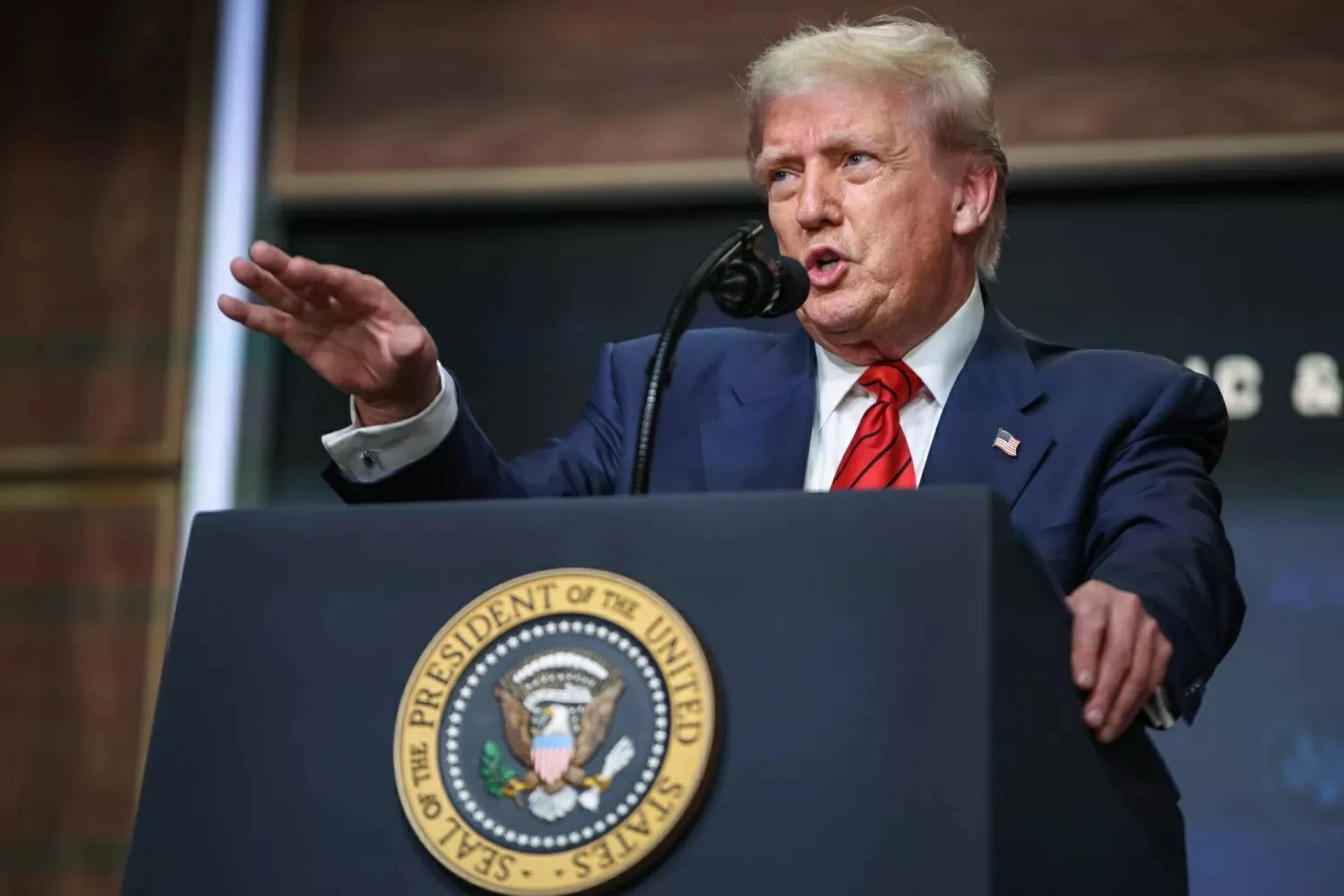
وجّهت الولايات المتحدة تحذيراً شديد اللهجة إلى العراق من انخراط الفصائل المسلحة في أي مواجهة عسكرية جديدة إلى جانب إيران، ملوّحة باستهداف تلك الجماعات وقادتها ومقارها العسكرية إذا قررت المشاركة في الحرب، وفق تقارير إعلامية نقلت عن مصادر مطلعة.
ونقلت شبكة «شفق نيوز» العراقية، السبت، عن مصادر أن الرئيس الأمريكي دونالد ترمب حذّر رئيس الوزراء العراقي علي الزيدي، خلال اتصال هاتفي جرى في 5 نوفمبر الجاري، من أن واشنطن ستستهدف الفصائل المسلحة وقادتها إذا انخرطت في أي حرب متجددة دعماً لإيران.
وبحسب المصادر، عرض ترمب على بغداد دعم واشنطن لجهود فرض سيطرة الدولة على السلاح، لكنه ربط استمرار الدعم الأمريكي للحكومة العراقية بمدى تقدمها في هذا المسار، محذراً من أن أي تأخير جديد أو تراجع قد يدفع الولايات المتحدة إلى إعادة النظر في دعمها.
ويأتي التحذير في ظل ضغوط أمريكية متصاعدة على بغداد لتفكيك نفوذ الفصائل المسلحة المرتبطة بطهران، ومنع استخدام الأراضي العراقية لشن هجمات على المصالح الأمريكية أو دول المنطقة، وسط مخاوف من تحول العراق إلى ساحة مواجهة جديدة إذا تجدد الصراع بين واشنطن وطهران.
وكانت شبكة «الحرة» قد كشفت في 26 أكتوبر الماضي، نقلاً عن مصادر حكومية عراقية، أن الولايات المتحدة أبلغت بغداد بأنها ستستهدف الفصائل المسلحة مباشرة إذا قررت الانخراط في أي مواجهة عسكرية جديدة مع إيران، مشيرة إلى أن واشنطن لن تلتزم بالتنسيق المسبق مع الحكومة العراقية قبل تنفيذ ضرباتها.
وفي تطور متصل، أفادت تقارير إعلامية السبت بأن التحذير الأمريكي يشمل اعتبار مقار الفصائل المسلحة أهدافاً عسكرية إذا شاركت إلى جانب إيران في أي مواجهة مقبلة، مع مطالبة بغداد بمنع تلك الجماعات من شن هجمات على دول الجوار.
معادلة صعبة أمام بغداد
وتواجه الحكومة العراقية برئاسة علي الزيدي معادلة سياسية وأمنية معقدة، في ظل سعيها إلى تجنيب البلاد الانجرار إلى صراع إقليمي جديد، والحفاظ في الوقت نفسه على علاقاتها مع الولايات المتحدة وإيران، اللتين تتمتعان بنفوذ سياسي وأمني واسع داخل العراق.
وكان الزيدي قد أكد، خلال اتصاله بترمب في 5 نوفمبر، أن العراق لن يسمح باستخدام أراضيه منطلقاً لشن هجمات على دول الجوار، مشدداً على ضرورة احترام سيادة الدول واللجوء إلى الحلول الدبلوماسية والحوار لتجنب اتساع رقعة المواجهة.
وفي السياق ذاته، حذّر وزير الخارجية العراقي فؤاد حسين من انخراط الفصائل المسلحة في أي رد إيراني على هجمات أمريكية محتملة، معتبراً أن دفع المجتمع العراقي إلى الحرب سيؤدي إلى «كارثة»، ومؤكداً أن بلاده لا تريد أن تتحول أراضيها إلى ساحة لتصفية الحسابات الإقليمية.
الفصائل.. ورقة المواجهة المحتملة
وتضم الساحة العراقية عدداً من الفصائل المسلحة التي تربط بعضها علاقات وثيقة بإيران، وينشط عدد منها ضمن ما يُعرف بـ«المقاومة الإسلامية في العراق»، التي أعلنت مسؤوليتها عن هجمات بطائرات مسيّرة وصواريخ استهدفت مصالح أمريكية في العراق والمنطقة خلال المواجهة السابقة.
وتشكل هذه الجماعات جزءاً من شبكة حلفاء طهران الإقليميين، التي تضم قوى مسلحة في أكثر من ساحة بالشرق الأوسط، ما يجعل احتمال انخراطها في أي مواجهة جديدة عاملاً مؤثراً في الحسابات العسكرية والأمنية الأمريكية.
وفي المقابل، تسعى بغداد إلى إخضاع السلاح لسلطة الدولة وإنهاء تعدد مراكز القرار الأمني، وسط مفاوضات مع الفصائل بشأن تنظيم أسلحتها ودمج بعض تشكيلاتها ضمن المؤسسات الرسمية.
وتشير تقارير إلى أن التفاهمات المطروحة تمتد من سبتمبر 2026 إلى يونيو 2027، وتتضمن مراحل لتقييد نشاط الفصائل والتعامل مع أسلحتها الاستراتيجية، في مسعى لتجنب مواجهة داخلية أو انزلاق العراق إلى حرب إقليمية جديدة.
The United States issued a stern warning to Iraq against the involvement of armed factions in any new military confrontation alongside Iran, threatening to target those groups, their leaders, and their military bases if they decide to participate in the war, according to media reports citing informed sources.
The Iraqi news network "Shafaq News" reported on Saturday that U.S. President Donald Trump warned Iraqi Prime Minister Ali Al-Zaydi during a phone call on November 5 that Washington would target armed factions and their leaders if they engaged in any renewed war in support of Iran.
According to the sources, Trump offered Baghdad U.S. support for efforts to impose state control over weapons, but he linked the continuation of American support for the Iraqi government to its progress in this regard, warning that any further delays or setbacks could lead the United States to reconsider its support.
This warning comes amid increasing U.S. pressure on Baghdad to dismantle the influence of armed factions linked to Tehran and to prevent the use of Iraqi territory to launch attacks on American interests or countries in the region, amid fears that Iraq could become a new battleground if conflict between Washington and Tehran resumes.
The "Al-Hurra" network revealed on October 26, citing Iraqi government sources, that the United States had informed Baghdad that it would directly target armed factions if they decided to engage in any new military confrontation with Iran, noting that Washington would not commit to prior coordination with the Iraqi government before carrying out its strikes.
In a related development, media reports on Saturday indicated that the American warning includes considering the bases of armed factions as military targets if they participate alongside Iran in any upcoming confrontation, with a demand for Baghdad to prevent those groups from launching attacks on neighboring countries.
A Difficult Equation for Baghdad
The Iraqi government, led by Ali Al-Zaydi, faces a complex political and security equation as it seeks to keep the country from being dragged into a new regional conflict while simultaneously maintaining its relations with both the United States and Iran, which have significant political and security influence within Iraq.
Al-Zaydi confirmed during his call with Trump on November 5 that Iraq would not allow its territory to be used as a launchpad for attacks on neighboring countries, emphasizing the need to respect the sovereignty of nations and to resort to diplomatic solutions and dialogue to avoid escalating confrontations.
In this context, Iraqi Foreign Minister Fuad Hussein warned against the involvement of armed factions in any Iranian response to potential American attacks, considering that pushing Iraqi society into war would lead to a "disaster," and affirming that his country does not want its territory to become a battleground for settling regional scores.
The Factions... A Potential Confrontation Card
The Iraqi landscape includes several armed factions, some of which have close ties to Iran, with a number of them active within what is known as "Islamic Resistance in Iraq," which has claimed responsibility for drone and missile attacks targeting American interests in Iraq and the region during the previous confrontation.
These groups are part of a network of Tehran's regional allies, which includes armed forces in multiple arenas across the Middle East, making the possibility of their involvement in any new confrontation a significant factor in American military and security calculations.
In contrast, Baghdad is seeking to bring weapons under state authority and to end the multiplicity of security decision-making centers, amid negotiations with the factions regarding the regulation of their arms and the integration of some of their formations into official institutions.
Reports indicate that the proposed understandings extend from September 2026 to June 2027, including phases to restrict the activities of the factions and to deal with their strategic weapons, in an effort to avoid internal confrontation or a slide into a new regional war.