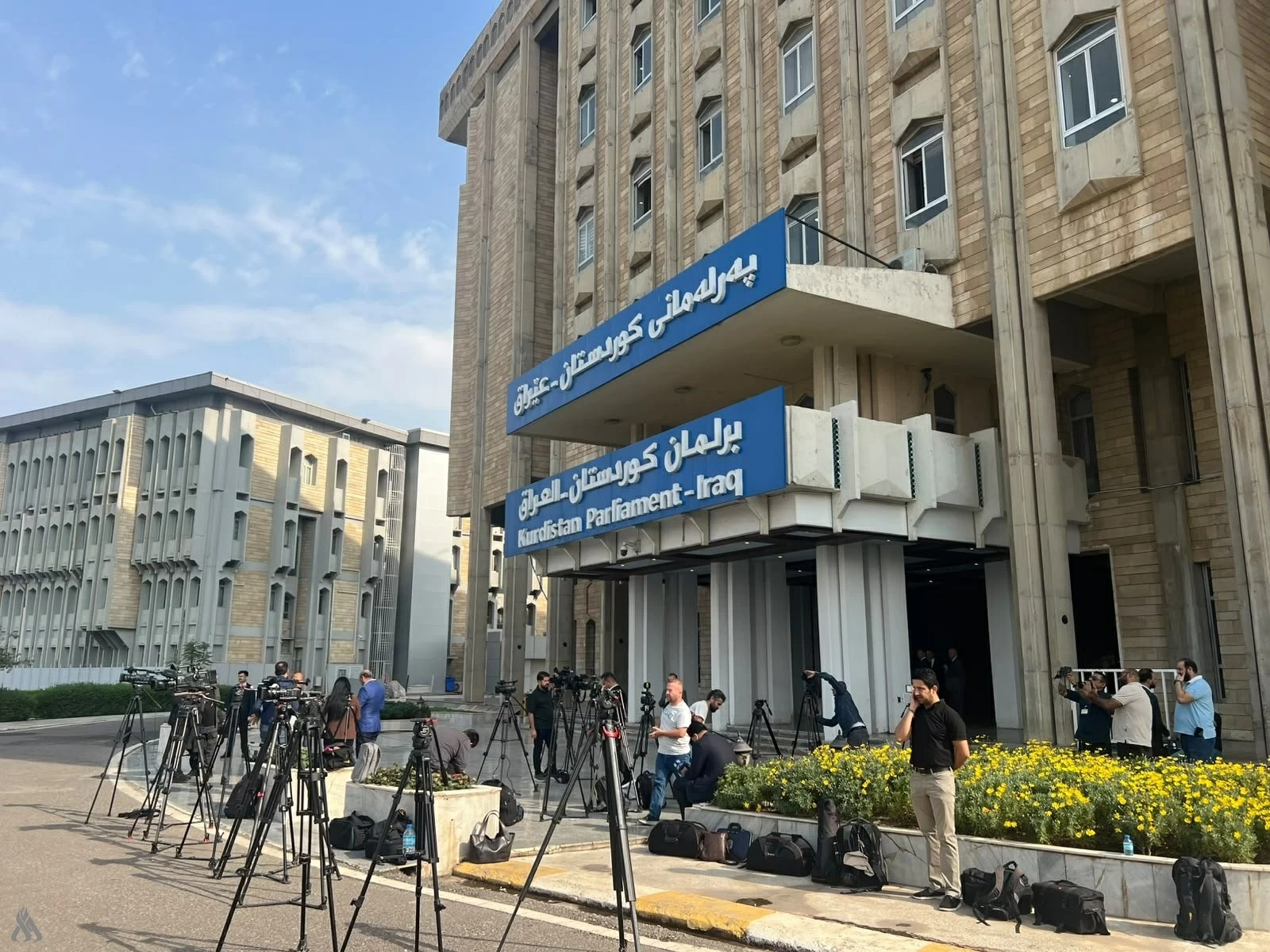
دخلت الأزمة السياسية في إقليم كردستان العراق مرحلة جديدة من التصعيد، مع شروع الاتحاد الوطني الكردستاني في اتخاذ إجراءات تنفيذية للانسحاب من حكومة الإقليم، احتجاجاً على استئناف جلسات البرلمان وانتخاب هيئة رئاسته دون توافق بين القوى السياسية الرئيسية، في خطوة تهدد بتعقيد مسار تشكيل الحكومة الجديدة وإعادة ترتيب المشهد السياسي في الإقليم.
وأعلن الفريق الحكومي للاتحاد الوطني الكردستاني، خلال اجتماع عقده اليوم (السبت)، استكمال الاستعدادات اللازمة لتنفيذ قرار رئيس الحزب بافل جلال طالباني الانسحاب من حكومة تصريف الأعمال، تنفيذاً لتوجيهاته وقرارات المجلس القيادي للاتحاد الوطني.
ويأتي التحرك بعد إعلان طالباني، الخميس الماضي، انسحاب حزبه من حكومة إقليم كردستان، ورفضه الاعتراف باستئناف جلسات البرلمان وانتخاب هيئة رئاسته، معتبراً أن الخطوة افتقرت إلى التوافق السياسي اللازم بين القوى الرئيسية في الإقليم.
في غضون ذلك، تفجرت الأزمة عقب استئناف برلمان كردستان جلساته، (الأربعاء) الماضي، بعد توقف استمر أكثر من عامين، منذ انتخابات الإقليم التي جرت في أكتوبر 2024. وشهدت الجلسة مشاركة 52 نائباً من كتل سياسية مختلفة ومستقلين، فيما قاطعها نواب الاتحاد الوطني الكردستاني، قبل انتخاب هيئة رئاسة جديدة للبرلمان.
ورفض الاتحاد الوطني الاعتراف بنتائج الجلسة، معتبراً أنها عقدت دون توافق بين القوى السياسية الرئيسية، وتشكل تجاوزاً لمبدأ الشراكة السياسية. في المقابل، دعت رئيسة البرلمان الجديدة الكتل المقاطعة إلى العودة واستئناف مشاركتها في العمل التشريعي.
وقال بافل جلال طالباني إن حزبه بذل جهوداً للتوصل إلى اتفاق بشأن تشكيل حكومة فاعلة في الإقليم، موضحاً أنه زار أربيل أكثر من 15 مرة وعقد اجتماعات مع قيادات الحزب الديمقراطي الكردستاني، إلا أن تلك المحاولات لم تفض إلى نتائج.
ووصف طالباني جلسة البرلمان بأنها «اجتماع لأقلية من الحزب الديمقراطي»، متهماً الحزب بعدم احترام الديمقراطية وإرادة الناخبين.
ويُعد الاتحاد الوطني الكردستاني الشريك الرئيسي للحزب الديمقراطي في إدارة إقليم كردستان، ويشغل عدداً من المناصب الحكومية البارزة، من بينها منصب نائب رئيس الوزراء الذي يتولاه قوباد طالباني، ما يمنح قرار الانسحاب تداعيات مباشرة على تركيبة حكومة تصريف الأعمال، ويزيد تعقيد المفاوضات بشأن تشكيل الحكومة الجديدة.
The political crisis in the Kurdistan Region of Iraq has entered a new phase of escalation, with the Patriotic Union of Kurdistan beginning to take executive measures to withdraw from the regional government, in protest against the resumption of parliamentary sessions and the election of its presidency without consensus among the main political forces, a step that threatens to complicate the process of forming the new government and rearranging the political scene in the region.
The government team of the Patriotic Union of Kurdistan announced during a meeting held today (Saturday) that it has completed the necessary preparations to implement the decision of the party's president, Pavel Jalal Talabani, to withdraw from the caretaker government, in accordance with his directives and the decisions of the leadership council of the Patriotic Union.
This move comes after Talabani announced last Thursday the withdrawal of his party from the Kurdistan Regional Government, rejecting the resumption of parliamentary sessions and the election of its presidency, considering that the step lacked the necessary political consensus among the main forces in the region.
Meanwhile, the crisis erupted following the resumption of the Kurdistan Parliament's sessions last Wednesday, after a hiatus of more than two years since the regional elections held in October 2024. The session saw the participation of 52 deputies from various political blocs and independents, while deputies from the Patriotic Union of Kurdistan boycotted it before the election of a new parliamentary presidency.
The Patriotic Union refused to recognize the results of the session, considering it held without consensus among the main political forces, and constituting a violation of the principle of political partnership. In contrast, the new parliamentary president called on the boycotting blocs to return and resume their participation in legislative work.
Pavel Jalal Talabani stated that his party has made efforts to reach an agreement on forming an effective government in the region, explaining that he has visited Erbil more than 15 times and held meetings with leaders of the Kurdistan Democratic Party, but those attempts did not yield results.
Talabani described the parliamentary session as "a meeting of a minority from the Democratic Party," accusing the party of not respecting democracy and the will of the voters.
The Patriotic Union of Kurdistan is the main partner of the Democratic Party in managing the Kurdistan Region and holds several prominent government positions, including the position of Deputy Prime Minister held by Qubad Talabani, which gives the withdrawal decision direct implications for the composition of the caretaker government and complicates negotiations regarding the formation of the new government.