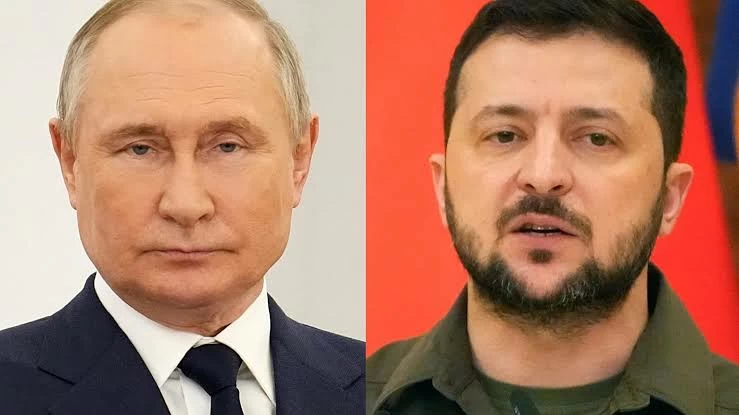
تتمسك الدول الأوروبية بضرورة وقف روسيا حربها على أوكرانيا قبل الدخول في أي نقاش بشأن مخاوف موسكو الأمنية والترتيبات المستقبلية لأمن القارة، في موقف ينذر بتصاعد الخلاف مع إدارة الرئيس دونالد ترمب، التي تسعى إلى إدراج مطالب روسيا المتعلقة بالمنظومة الأمنية الأوروبية ضمن مفاوضات السلام، بحسب ما أوردت وكالة «بلومبيرغ».
مطالب روسية ترفضها أوروبا
ونقلت الوكالة عن مصادر مطلعة أن المسؤولين الأوروبيين يرفضون المطالب الروسية التي طرحها الرئيس فلاديمير بوتين قبل الحرب، خصوصاً ما يتعلق بتقليص وجود حلف شمال الأطلسي (الناتو) في أوروبا الشرقية، معتبرين أن المنظومة الأمنية القائمة تستهدف بالأساس ردع أي اعتداء روسي على دول القارة.
ويأتي الخلاف قبيل اجتماع مرتقب لمسؤولين روس وأوكرانيين وأمريكيين في أبوظبي هذا الأسبوع، لاستئناف المفاوضات للمرة الأولى منذ فبراير الماضي، وبحث آليات تنفيذ أي اتفاق سلام ومراقبته، إلى جانب إجراءات محتملة لخفض التصعيد.
وفي محاولة لتقريب وجهات النظر، طرح المبعوث الأمريكي جاريد كوشنر خمسة أهداف للترتيبات الأمنية، تشمل إجراء مشاورات دائمة، وضمان اتصالات موثوقة خلال الأزمات، وتعزيز الشفافية العسكرية، واتخاذ تدابير متبادلة للحد من مخاطر التصعيد، ووضع إطار مستدام للأمن والاستقرار الأوروبيين.
إلا أن المقترح الأمريكي أثار تحفظات أوروبية، إذ ترى بعض العواصم أن القارة تمتلك بالفعل إطاراً أمنياً قائماً يتمثل في حلف الناتو. وقال وزير الخارجية البولندي رادوسلاف سيكورسكي إنه لا ينبغي أن تكون الدول الغربية أكثر حرصاً على تحقيق السلام من بوتين نفسه، محذراً من أن الضغوط لا ينبغي أن تقع على أوكرانيا بوصفها الطرف المعتدى عليه.
الضمانات الأمنية أبرز العقبات
وتبقى الضمانات الأمنية لكييف إحدى أبرز العقد أمام المفاوضات، إذ يناقش الحلفاء تقديم ضمانات مشابهة للمادة الخامسة من ميثاق الناتو، تتضمن توفير الأسلحة والمساعدات العسكرية إذا تعرضت أوكرانيا لهجوم جديد. في المقابل، ترفض موسكو أي وجود عسكري غربي على الأراضي الأوكرانية، وتطالب بتقييد حجم الجيش الأوكراني وقدراته.
وتشترط العواصم الأوروبية التوصل إلى وقف لإطلاق النار قبل إبرام اتفاقات بشأن أمن ما بعد الحرب، مع ضرورة موافقة الدول الأوروبية المعنية على هذه الترتيبات.
وفي ملف الأراضي، لا يزال بوتين متمسكاً بالسيطرة على منطقة دونباس بالكامل، فيما لم تُستأنف المفاوضات بشأن الحدود بصورة جدية. وتعتقد مصادر أوروبية أن موسكو لا تبدي استعداداً حقيقياً لإنهاء الحرب في المدى القريب، بل تواصل الضغط العسكري لإضعاف أوكرانيا. وبينما تستعد الأطراف لجولة أبوظبي، تتباين الأولويات بين واشنطن التي تدفع نحو تسوية تشمل المخاوف الأمنية الروسية، وأوروبا التي ترى أن وقف الحرب واحترام سيادة أوكرانيا يجب أن يسبقا أي إعادة صياغة للنظام الأمني في القارة.
European countries insist on the necessity of stopping Russia's war on Ukraine before entering into any discussions regarding Moscow's security concerns and future arrangements for the continent's security, in a position that warns of escalating disagreements with the administration of President Donald Trump, which seeks to include Russia's demands related to the European security system in peace negotiations, according to what Bloomberg reported.
Russian demands rejected by Europe
The agency quoted informed sources as saying that European officials reject the Russian demands put forth by President Vladimir Putin before the war, particularly those related to reducing NATO's presence in Eastern Europe, considering that the existing security system primarily aims to deter any Russian aggression against the countries of the continent.
The disagreement comes ahead of an anticipated meeting of Russian, Ukrainian, and American officials in Abu Dhabi this week, to resume negotiations for the first time since February, and to discuss mechanisms for implementing and monitoring any peace agreement, along with potential measures to de-escalate tensions.
In an attempt to bridge the gaps, U.S. envoy Jared Kushner proposed five objectives for security arrangements, including conducting ongoing consultations, ensuring reliable communications during crises, enhancing military transparency, taking reciprocal measures to reduce escalation risks, and establishing a sustainable framework for European security and stability.
However, the American proposal raised European reservations, as some capitals believe that the continent already has an existing security framework represented by NATO. Polish Foreign Minister Radoslaw Sikorski stated that Western countries should not be more eager for peace than Putin himself, warning that pressure should not be placed on Ukraine as the attacked party.
Security guarantees as a major obstacle
Security guarantees for Kyiv remain one of the main sticking points in the negotiations, as allies discuss providing guarantees similar to Article 5 of the NATO Charter, which includes supplying weapons and military assistance if Ukraine faces a new attack. In contrast, Moscow rejects any Western military presence on Ukrainian territory and demands restrictions on the size and capabilities of the Ukrainian army.
European capitals condition reaching a ceasefire before concluding agreements regarding post-war security, with the necessity of approval from the concerned European countries on these arrangements.
In the issue of territories, Putin remains adamant about maintaining control over the entire Donbas region, while negotiations regarding borders have not resumed in a serious manner. European sources believe that Moscow is not showing a genuine willingness to end the war in the near future, but continues military pressure to weaken Ukraine. As the parties prepare for the Abu Dhabi round, priorities differ between Washington, which is pushing for a settlement that includes Russian security concerns, and Europe, which believes that stopping the war and respecting Ukraine's sovereignty should precede any reconfiguration of the security system on the continent.