فتحت الانتخابات النصفية الأمريكية المواجهة على حدود السلطة بين رئيس يرفض التراجع وكونغرس تتبدل حساباته. فالنتائج التي أضعفت موقع حزب الرئيس دونالد ترمب داخلياً تزامنت مع تصاعد التوتر الإقليمي، لتطرح سؤالاً يتجاوز واشنطن: هل يستطيع خصوم الرئيس تعطيل أجندته، وهل تنتقل تداعيات الصراع السياسي إلى قرارات الحرب والسلام في الشرق الأوسط؟ وبينما يراهن الديمقراطيون على أدوات الرقابة والتمويل، يراهن ترمب على صلاحيات الرئاسة والفيتو.
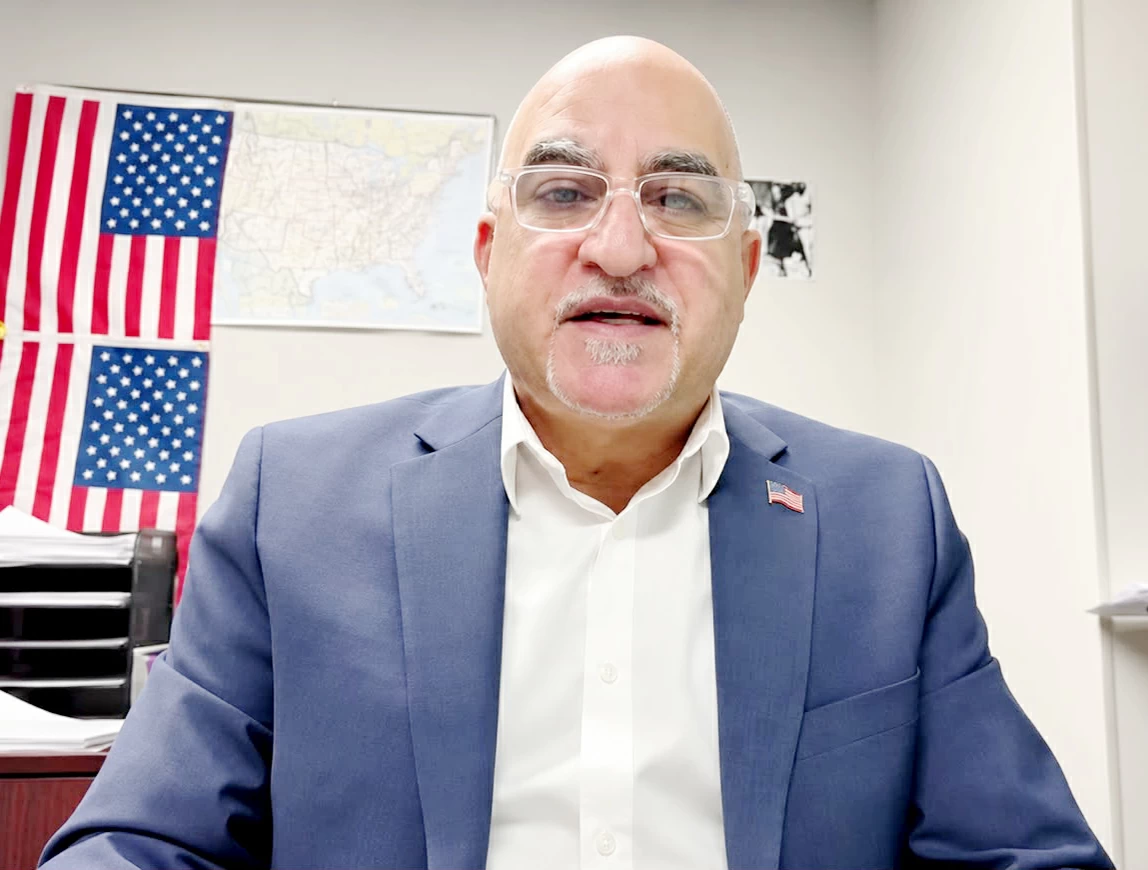
وفي حديث خاص إلى «عكاظ»، يقدّم عضو الحزب الجمهوري الأمريكي نيكولا شحود قراءة تجمع الاعتراف بأخطاء حزبه والتأكيد أن الرئيس لا يزال ممسكاً بمبادرة القرار، وصولاً إلى توقّعات عسكرية خطيرة بشأن إيران ولبنان.
الناخب المستقل يرجّح الكفة.. والجمهوريون أمام مراجعة سياسية
يقر شحود بأن نتائج الانتخابات تستدعي مراجعة داخل الحزب الجمهوري. ويعزو جانباً من النتيجة إلى اختلاف حماسة الجمهوريين بين الانتخابات الرئاسية والتشريعية، وإلى تأثر المستقلين بارتفاع الأسعار وتكاليف الطاقة والحرب. ويقول إن استطلاعاً حديثاً أظهر تأييد 98% من الجمهوريين لترمب، مقدّراً حصة المستقلين بنحو 45%، وهي أرقام ينسبها إلى متابعته دون تحديد الجهة التي أجرت الاستطلاع. وبالنسبة إليه، لن تُحسم انتخابات 2028 بالولاء الحزبي وحده، بل بقدرة المرشحين على إقناع الناخب بأن معيشته تحسنت. ويضيف أن نتائج منتصف الولاية لا تعني بالضرورة انفضاض الجمهوريين عن ترمب، لأن التصويت في غيابه يختلف عن التصويت حين يكون اسمه مطروحاً مباشرة. ومع ذلك، لا يعفي هذا التفسير الحزب من مسؤولية مراجعة خطابه الاقتصادي والاجتماعي، ولا من البحث عن أسباب تراجع قدرته على استقطاب الناخب المتردد.
وتبرز في قراءة شحود مفارقة سياسية لافتة: فهو لا ينكر خسارة الجمهوريين ولا يحاول تصويرها انتصاراً، لكنه يفصل بين التصويت على أداء الحزب والتصويت على شخصية ترمب. ومن هنا، يعتبر أن استعادة الثقة تبدأ بمعالجة الأسباب، لا بالاكتفاء بخطاب المواجهة مع الديمقراطيين.
خصومة بلا عداوة.. ولكن بشروط
وعن العلاقة مع الديمقراطيين، يشدّد شحود على أن التنافس الأمريكي يقوم على خصوم سياسيين لا أعداء. ويقول إن ترمب سيضطر إلى التفاوض مع المجلسين الجديدين، وأن التسويات ينبغي أن تخدم المصلحة الأمريكية لا المصالح الشخصية.
ويرى أن شخصية الرئيس الصلبة تمنعه من قبول ما يسميه الابتزاز، دون أن تلغي حاجته إلى تفاهمات بشأن القضايا الاجتماعية والاقتصادية.
ويستحضر شحود أهمية الاستحقاق الرئاسي القادم بالنسبة إلى الجمهوريين، محذراً من أن الفشل فيه ستكون له انعكاسات تتجاوز خسارة المناصب إلى مستقبل السياسات الاجتماعية والاقتصادية. وبرأيه، فإن تجربة العامين القادمين ستتيح للناخبين مقارنة برامج الطرفين، لا الاكتفاء بالشعارات الانتخابية.
الفيتو في مواجهة الكونغرس
ويؤكد شحود أن الانتخابات لم تنتزع من ترمب صلاحياته التنفيذية، وأن تلويحه المبكر بالفيتو كان استعداداً لاحتمال خسارة الجمهوريين. ويوضح أن الرئيس يستطيع رفض مشاريع القوانين كاملة، وأن تجاوز اعتراضه يحتاج أغلبية الثلثين في مجلسي الكونغرس، كما يمكنه استخدام «الفيتو الجيبي» ضمن شروطه الدستورية. لكنه يعترف بأن سلطة الإنفاق تمنح المشرعين ورقة ضغط حقيقية: فإذا احتاجت الإدارة اعتمادات إضافية، يستطيع الكونغرس ربط الموافقة بشروط سياسية. ويقدّر أن تمويل العمليات القائمة متوافر حتى نهاية يناير 2027. ومع ذلك، يصر على أن توازن السلطات لا يعني شل الرئاسة، بل يفرض مقايضات وتفاوضاً مستمرين. ويرى أن الديمقراطيين قد يتحملون، أمام الرأي العام كلفة عرقلة برامج تحظى بالتأييد، تماماً كما قد يتحمل البيت الأبيض مسؤولية تعثر التفاهمات. وهنا، بحسب شحود، يصبح الأداء خلال العامين القادمين أهم من الاحتفال بنتيجة انتخابية عابرة.
ويشير شحود إلى أن التعيينات التي تتطلب مصادقة مجلس الشيوخ والقرارات المرتبطة بالموازنة قد تتحوّل إلى ساحات تفاوض مرهقة. ولذلك لا يستبعد أن تشهد واشنطن تسويات متبادلة، وإن ظل مقتنعاً بأن ترمب سيستخدم صلاحياته إلى أقصى الحدود المتاحة دستورياً.
إيران بين التنازل والانفجار
الملف الأكثر إثارة في حديث شحود هو إيران. فهو يتوقع ضربة أمريكية خلال أسبوعين، لكنه يترك باب الدبلوماسية مفتوحاً إذا وافقت طهران على التخلي عن برنامجها النووي. ويصف ترمب بالبراغماتي الذي يريد نتائج لا حرباً لمجرد الحرب، معتبراً أن رفض الإيرانيين تقديم تنازلات قد ينقل المواجهة من الضغط على المنشآت إلى تهديد بقاء النظام نفسه. ويشير إلى اتصالات ووساطات إقليمية لكنه لا يجزم بنجاحها. وفي تقديره، لم تدفع نتائج الانتخابات ترمب إلى التريث؛ بل ربما زادت رغبته في حسم الملف قبل أن تتصاعد معارك الكونغرس حول التمويل. ويؤكد أنه لا يتحدث عن استهداف الشعب الإيراني، بل عن الضغط على السلطة القائمة لإجبارها على التفاوض من موقع أضعف. وفي الوقت نفسه، لا يستبعد أن يؤدي فشل الوساطات إلى توسيع نطاق العمليات، بما يضاعف المخاطر على دول الجوار وحركة التجارة والطاقة.
ويشدّد شحود على أن التهديد العسكري، في قراءته، ليس بديلاً تلقائياً عن التفاوض، بل أداة لرفع كلفته على الجانب الإيراني إذا رفض الاستجابة. ويقول إن قبول طهران بتسوية نووية شاملة يمكن أن يغيّر المشهد، فيما يرى أن إصرارها على موقفها سيدفع ترمب إلى خيارات أشد. وهو يربط هذا التقدير بقناعته بأن ترمب يريد ترك أثر حاسم في الملف الإيراني قبل نهاية ولايته.
أهداف بالجملة.. وتوقّعات لا معلومات رسمية
ويقول شحود إن البنتاغون قدّم للرئيس 22 خطة عسكرية، ويتحدث عن وجود حاملة الطائرات «ثيودور روزفلت» في منطقة العمليات، مشيراً إلى سيناريو يشمل ضرب منشآت النفط، خصوصاً جزيرة خرج، والجسور ومحطات الكهرباء والمواقع النووية ومراكز الصواريخ والمسيّرات. ويحدد، وفق تقديراته، 68 جسراً و74 محطة كهرباء و28 قيادياً قد تطالهم العمليات. وعن دقة هذه التفاصيل، أوضح شحود لـ «عكاظ» أنها تحليل من خلال القراءات وليست خطة معلنة أو معلومات عن ساعة الصفر. ولذلك تبقى الأرقام والسيناريوهات التي يوردها استنتاجات، لا قرارات عسكرية، مؤكداً بأن المؤسسة العسكرية لا تكشف عادة توقيت عملياتها أو تفاصيل أهدافها.
من «أم القنابل» إلى مضيق هرمز
كما يرجّح شحود استخدام قنبلة «أم القنابل» التقليدية، مستبعداً استعمال سلاح نووي، ويطرح احتمال عمليات لقوات خاصة أمريكية في مواقع إستراتيجية قرب مضيق هرمز، للتعامل مع مخزون اليورانيوم المخصب، ويتوقع أن تضعف الضربات النظام بما يتيح تحركات داخلية ضده، مع مشاركة إسرائيلية محتملة.
ويتوقف شحود عند مخزون اليورانيوم المخصب الذي يقدره بنحو 440 كيلوغراماً، متحدثاً عن احتمال التوصل إلى تسليمه عبر المفاوضات بدلاً من التعامل معه عسكرياً، كما يشير إلى أن ضرب المنشآت لا يعني بالضرورة إزالة المواد النووية نفسها، وأن الخيارات المختلفة تحمل مخاطر متباينة.
لبنان ليس خارج النارويقول شحود لـ«عكاظ» إن نتائج الانتخابات لن تغيّر السياسة الخارجية الأمريكية تجاه لبنان، لأن القرارات الأساسية ستظل بيد الرئيس وإدارته. لكنه يحذّر من حرب إسرائيلية يصفها بأنها «حتمية»، مؤكداً أن إسرائيل جادة في المضي نحو إنهاء ملف حزب الله، وأن أي مواجهة قادمة لن تقتصر على ضربات عسكرية محدودة.
وعن احتمال رفع الضمانات الأمريكية المتعلقة بعدم استهداف بيروت، لا يؤكد شحود صدور قرار جديد بهذا الشأن، لكنه يربط احتمالات التصعيد بإصرار إسرائيل على حسم المواجهة مع حزب الله، معتبراً أن حساباتها العسكرية والسياسية تتجه نحو إنهاء هذا الملف بصرف النظر عن نتائج الانتخابات الأمريكية.
نتنياهو وسباق الوقت
وعن رئيس الوزراء الإسرائيلي بنيامين نتنياهو، يعتبر شحود أن مدة بقائه تتوقف على قدرة خصومه على تشكيل حكومة بديلة برئاسة غادي آيزنكوت. فإذا نجحوا، قد تضيق أمامه المهلة إلى أشهر؛ وإذا تعثروا أو أعيدت الانتخابات، فقد يستمر عاماً أو أكثر.
ويرى أن نتنياهو يريد إنهاء الملف الإيراني خلال ولايته، مستفيداً من علاقته بترمب. ويخلص إلى أن المعركة الحقيقية لا تدور فقط حول أكثرية الكونغرس، بل حول من يملك الوقت والمال والقرار عندما تصل المواجهة الإقليمية إلى لحظتها الحاسمة.
The U.S. midterm elections have opened a confrontation at the boundaries of power between a president who refuses to retreat and a Congress whose calculations are changing. The results, which weakened President Donald Trump's party domestically, coincided with rising regional tensions, raising a question that goes beyond Washington: Can the president's opponents disrupt his agenda, and will the repercussions of political conflict extend to decisions of war and peace in the Middle East? While the Democrats are betting on oversight and funding tools, Trump is relying on presidential powers and the veto.
In a special interview with "Okaz," American Republican Party member Nicola Shhoud presents an analysis that combines acknowledgment of his party's mistakes with an affirmation that the president still holds the initiative in decision-making, leading to serious military forecasts regarding Iran and Lebanon.
The Independent Voter Tips the Scale.. Republicans Face Political Review
Shhoud acknowledges that the election results call for a review within the Republican Party. He attributes part of the outcome to the differing enthusiasm among Republicans between the presidential and legislative elections, and to the impact of rising prices, energy costs, and war on independents. He states that a recent poll showed 98% of Republicans support Trump, estimating the share of independents at around 45%, figures he attributes to his following without specifying the source of the poll. For him, the 2028 elections will not be decided solely by party loyalty, but by the candidates' ability to convince voters that their living conditions have improved. He adds that midterm results do not necessarily mean Republicans are distancing themselves from Trump, as voting in his absence differs from voting when his name is directly on the ballot. Nevertheless, this explanation does not exempt the party from the responsibility of reviewing its economic and social discourse, nor from searching for reasons behind its declining ability to attract undecided voters.
Shhoud's analysis highlights a striking political paradox: he does not deny the Republicans' loss nor does he try to portray it as a victory, but he distinguishes between voting on the party's performance and voting on Trump's personality. From this perspective, he believes that restoring trust begins with addressing the causes, rather than merely relying on a confrontational discourse with the Democrats.
Adversarial but Not Hostile.. But with Conditions
Regarding the relationship with the Democrats, Shhoud emphasizes that American competition is based on political adversaries, not enemies. He states that Trump will have to negotiate with the new Congress, and that compromises should serve American interests, not personal interests.
He believes that the president's tough personality prevents him from accepting what he calls extortion, without negating his need for understandings regarding social and economic issues.
Shhoud recalls the importance of the upcoming presidential election for Republicans, warning that failure in it will have repercussions that extend beyond losing positions to the future of social and economic policies. In his view, the experience of the next two years will allow voters to compare the programs of both parties, rather than merely relying on electoral slogans.
The Veto Against Congress
Shhoud asserts that the elections did not strip Trump of his executive powers, and that his early threat of a veto was a preparation for the possibility of Republican losses. He clarifies that the president can reject bills entirely, and that overriding his objections requires a two-thirds majority in both houses of Congress, and he can also use the "pocket veto" under his constitutional conditions. However, he acknowledges that the power of spending gives legislators real leverage: if the administration needs additional appropriations, Congress can tie approval to political conditions. He estimates that funding for ongoing operations is available until the end of January 2027. Nevertheless, he insists that the balance of powers does not mean paralyzing the presidency, but rather imposes ongoing negotiations and compromises. He believes that Democrats may bear, in the public eye, the cost of obstructing programs that enjoy support, just as the White House may bear the responsibility for the failure of understandings. Here, according to Shhoud, performance over the next two years becomes more important than celebrating a transient electoral result.
Shhoud points out that appointments requiring Senate approval and budget-related decisions may turn into exhausting negotiation arenas. Therefore, he does not rule out that Washington may witness mutual compromises, while remaining convinced that Trump will use his powers to the fullest extent allowed constitutionally.
Iran Between Concession and Explosion
The most intriguing topic in Shhoud's discussion is Iran. He expects an American strike within two weeks, but leaves the door open for diplomacy if Tehran agrees to abandon its nuclear program. He describes Trump as a pragmatist who wants results, not war for the sake of war, considering that the Iranian refusal to make concessions could shift the confrontation from pressure on facilities to a threat to the regime's very existence. He mentions regional communications and mediations but does not guarantee their success. In his estimation, the election results did not lead Trump to hesitate; rather, they may have increased his desire to resolve the issue before congressional battles over funding escalate. He emphasizes that he is not talking about targeting the Iranian people, but about pressuring the ruling authority to force it to negotiate from a weaker position. At the same time, he does not rule out that the failure of mediations could expand the scope of operations, thereby increasing risks to neighboring countries and trade and energy movements.
Shhoud stresses that military threats, in his view, are not an automatic alternative to negotiation, but a tool to raise the cost for the Iranian side if it refuses to respond. He states that Tehran's acceptance of a comprehensive nuclear settlement could change the landscape, while he sees that its insistence on its position will push Trump toward harsher options. He links this assessment to his conviction that Trump wants to leave a decisive mark on the Iranian file before the end of his term.
Multiple Goals.. and Expectations Without Official Information
Shhoud states that the Pentagon has presented the president with 22 military plans, and he talks about the presence of the aircraft carrier "Theodore Roosevelt" in the operational area, referring to a scenario that includes striking oil facilities, particularly Kharg Island, bridges, power stations, nuclear sites, missile centers, and drones. He estimates, based on his assessments, that 68 bridges, 74 power stations, and 28 leaders could be targeted in the operations. Regarding the accuracy of these details, Shhoud clarified to "Okaz" that they are analyses based on readings and not an announced plan or information about the zero hour. Therefore, the numbers and scenarios he provides remain conclusions, not military decisions, stressing that the military institution does not usually disclose the timing of its operations or the details of its targets.
From the "Mother of All Bombs" to the Strait of Hormuz
Shhoud also predicts the use of the conventional "Mother of All Bombs," ruling out the use of nuclear weapons, and raises the possibility of operations by American special forces in strategic locations near the Strait of Hormuz, to deal with the stockpile of enriched uranium, expecting that the strikes will weaken the regime, allowing for internal movements against it, with possible Israeli participation.
He focuses on the enriched uranium stockpile, which he estimates at about 440 kilograms, discussing the possibility of reaching its delivery through negotiations instead of dealing with it militarily, and notes that striking the facilities does not necessarily mean removing the nuclear materials themselves, and that the various options carry varying risks.
Lebanon is not out of the fire. Shhoud tells "Okaz" that the election results will not change U.S. foreign policy toward Lebanon, as the fundamental decisions will remain in the hands of the president and his administration. However, he warns of an Israeli war that he describes as "inevitable," asserting that Israel is serious about moving toward resolving the Hezbollah file, and that any upcoming confrontation will not be limited to limited military strikes.
Regarding the possibility of raising American guarantees related to not targeting Beirut, Shhoud does not confirm the issuance of a new decision in this regard, but he links the possibilities of escalation to Israel's insistence on resolving the confrontation with Hezbollah, considering that its military and political calculations are heading toward ending this file regardless of the results of the American elections.
Netanyahu and the Race Against Time
Regarding Israeli Prime Minister Benjamin Netanyahu, Shhoud believes that the duration of his stay depends on his opponents' ability to form an alternative government led by Gadi Eisenkot. If they succeed, the time frame may narrow to months; if they falter or elections are called again, he may remain for a year or more.
He sees that Netanyahu wants to resolve the Iranian file during his term, benefiting from his relationship with Trump. He concludes that the real battle is not only about the majority in Congress, but about who holds the time, money, and decision when the regional confrontation reaches its decisive moment.