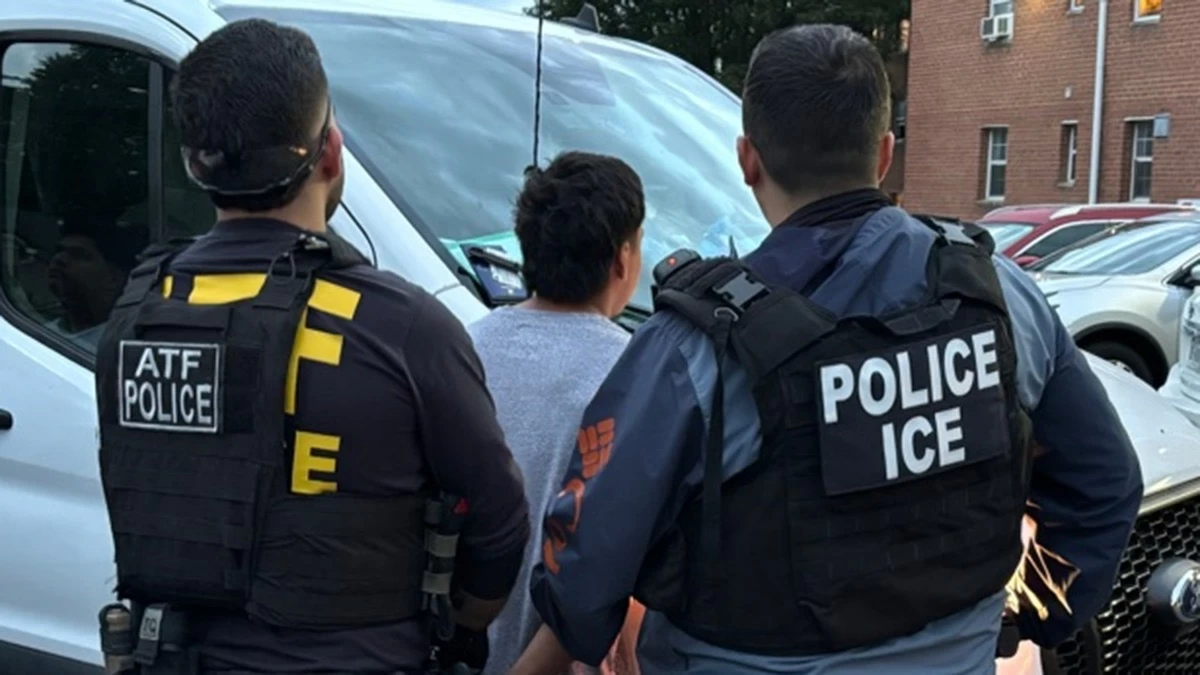
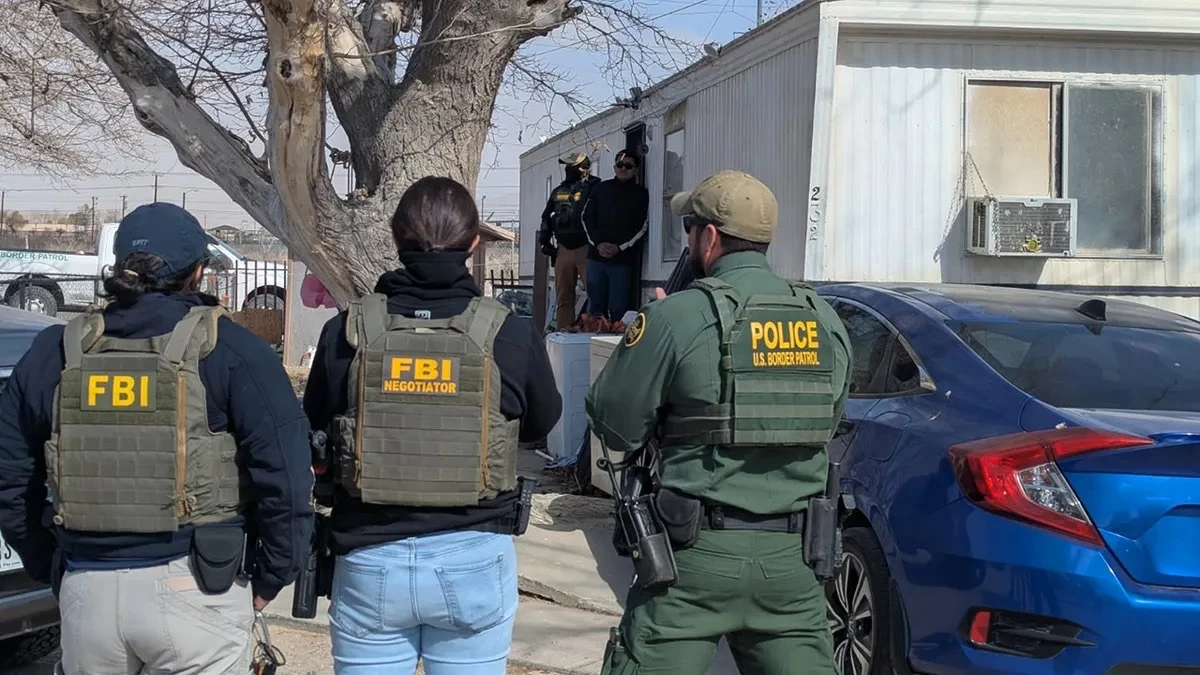
أعلنت وزارة الأمن الداخلي الأمريكية أن دائرة خدمات المواطنة والهجرة اتخذت إجراءات طالت أوضاع نحو 2.2 مليون مهاجر منذ عودة الرئيس دونالد ترامب إلى البيت الأبيض، في إطار حملة لتشديد تطبيق قوانين الهجرة وإنهاء ما تصفه الإدارة بإساءة استخدام برامج الحماية والإقامة المؤقتة.
وقالت الوزارة إن الدائرة كثفت مراجعة ملفات الهجرة، وعملت على إلغاء أو إنهاء أوضاع ومزايا منحتها الإدارة السابقة برئاسة جو بايدن، معتبرة أن هذه الإجراءات تأتي لمعالجة ما وصفته بالآثار المترتبة على أزمة الحدود خلال السنوات الماضية.
ووفقا للبيان، شملت الإجراءات إنهاء ما اعتبرته الوكالة إساءة استخدام نظام الحماية المؤقتة، ورفض طلبات تمديد أو تغيير أوضاع غير المهاجرين عندما لا يتوافر لها أساس قانوني، إلى جانب إصدار إخطارات حضور أمام محاكم الهجرة بحق أشخاص ترى السلطات أنهم قابلون للترحيل.
كما تضمنت الإجراءات إنهاء التمديد التلقائي لبعض تصاريح العمل، ووقف برامج الإفراج الإنساني الجماعي، والعودة إلى دراسة طلبات السماح بالدخول أو البقاء في الولايات المتحدة على أساس كل حالة على حدة، بدلا من تطبيق برامج واسعة تشمل جنسيات أو فئات بعينها.
وفي هذا السياق، قال وزير الأمن الداخلي الأمريكي ماركواين مولين إن الأرقام تعكس حجم التزام الرئيس ترامب بتنفيذ قوانين الهجرة، مضيفا أن من يسيئون استخدام النظام تلقوا رسالة مفادها أن الانتهاكات لن يتم التساهل معها أو تجاهلها.
وأضاف مولين أن الإدارة تعمل على استعادة النزاهة إلى نظام الهجرة ووضع سلامة المواطنين الأمريكيين في المقام الأول.
وكانت إدارة بايدن قد اعتمدت مسارات متعددة لتسهيل دخول بعض المهاجرين أو منحهم حماية مؤقتة، من بينها برامج الإفراج الإنساني التي أتاحت لمواطنين من كوبا وهايتي ونيكاراغوا وفنزويلا دخول الولايات المتحدة مؤقتا، مع إمكانية الحصول على تصاريح عمل وفق شروط محددة.
ويختلف الإفراج الإنساني عن الإقامة الدائمة؛ إذ يمنح صاحبه إذنا مؤقتا بالدخول أو البقاء في الولايات المتحدة لأسباب إنسانية أو لتحقيق منفعة عامة، ولا يشكل في حد ذاته مسارا تلقائيا للحصول على البطاقة الخضراء أو الجنسية الأمريكية.
كذلك يتيح وضع الحماية المؤقتة لمواطني دول تواجه ظروفا استثنائية، مثل النزاعات المسلحة أو الكوارث، البقاء في الولايات المتحدة لفترة محددة مع الحماية من الترحيل وإمكانية الحصول على تصريح عمل، لكنه لا يمنحهم تلقائيا إقامة دائمة.
وتأتي الإجراءات الجديدة ضمن تحول أوسع في سياسة الهجرة الأمريكية منذ تولي ترامب منصبه في يناير 2025، إذ اتجهت إدارته إلى إنهاء عدد من برامج الإفراج الإنساني ومراجعة أوضاع المستفيدين من الحماية المؤقتة وتشديد شروط الحصول على تصاريح العمل.
The U.S. Department of Homeland Security announced that the Citizenship and Immigration Services has taken actions affecting the status of approximately 2.2 million immigrants since President Donald Trump returned to the White House, as part of a campaign to tighten immigration law enforcement and end what the administration describes as the abuse of protection and temporary residency programs.
The department stated that the agency has intensified its review of immigration files and has worked to revoke or terminate statuses and benefits granted by the previous administration under President Joe Biden, considering that these actions aim to address what it described as the consequences of the border crisis over the past years.
According to the statement, the actions included ending what the agency deemed the abuse of the temporary protection system, denying requests for extensions or changes to non-immigrant statuses when there is no legal basis for them, in addition to issuing notices to appear before immigration courts for individuals whom authorities believe are subject to deportation.
The actions also included ending the automatic extension of certain work permits, halting mass humanitarian parole programs, and returning to case-by-case consideration of applications for entry or stay in the United States, instead of applying broad programs that include specific nationalities or categories.
In this context, U.S. Secretary of Homeland Security Alejandro Mayorkas stated that the numbers reflect President Trump's commitment to enforcing immigration laws, adding that those who abuse the system have received the message that violations will not be tolerated or overlooked.
Mayorkas added that the administration is working to restore integrity to the immigration system and prioritize the safety of American citizens.
The Biden administration had adopted multiple pathways to facilitate the entry of certain immigrants or grant them temporary protection, including humanitarian parole programs that allowed citizens from Cuba, Haiti, Nicaragua, and Venezuela to enter the United States temporarily, with the possibility of obtaining work permits under specific conditions.
Humanitarian parole differs from permanent residency; it grants its holder temporary permission to enter or remain in the United States for humanitarian reasons or to achieve a public benefit, and it does not, in itself, constitute an automatic pathway to obtaining a green card or U.S. citizenship.
Additionally, temporary protected status allows citizens from countries facing extraordinary conditions, such as armed conflicts or disasters, to remain in the United States for a specified period with protection from deportation and the possibility of obtaining a work permit, but it does not automatically grant them permanent residency.
The new actions come as part of a broader shift in U.S. immigration policy since Trump took office in January 2025, as his administration moved to end several humanitarian parole programs and review the statuses of beneficiaries of temporary protection while tightening the conditions for obtaining work permits.