دشن مركز الملك سلمان للإغاثة والأعمال الإنسانية أمس مشروعاً لإعادة تأهيل ستة مستشفيات حكومية وإنشاء ثلاث محطات للأكسجين بجمهورية السودان، يستفيد منه 3000000 فرد مباشرةً، وذلك ضمن المرحلة الثالثة من برنامج إعادة تأهيل المستشفيات الحكومية بالأجهزة والمعدات الطبية الحديثة، بالتعاون مع الشريك المنفذ منظمة الكفاءات للدراسات والتنمية البشرية.
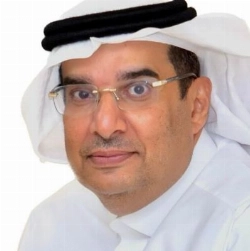
حضر التدشين سفير خادم الحرمين الشريفين لدى السودان الدكتور زيد بن مخلد الحربي، ووزير الصحة الاتحادي البروفيسور هيثم محمد إبراهيم، ووزير المالية والتخطيط الاقتصادي الدكتور جبريل إبراهيم، ووالي ولاية الخرطوم أحمد عثمان حمزة، ووالي ولاية شمال كردفان عبدالخالق عبداللطيف، وعدد من المسؤولين.
وشمل المشروع إعادة تأهيل مستشفيات أحمد قاسم لأمراض القلب وزراعة الكلى، وبشائر الجامعي بولاية الخرطوم، والحصاحيصا التعليمي والمناقل التعليمي بولاية الجزيرة، والأبيض التعليمي بولاية شمال كردفان، والعشي التخصصي للعظام بولاية البحر الأحمر، إلى جانب إنشاء ثلاث محطات للأكسجين في مستشفيات أحمد قاسم والسعودي للنساء والتوليد والبلك التخصصي للأطفال بولاية الخرطوم.
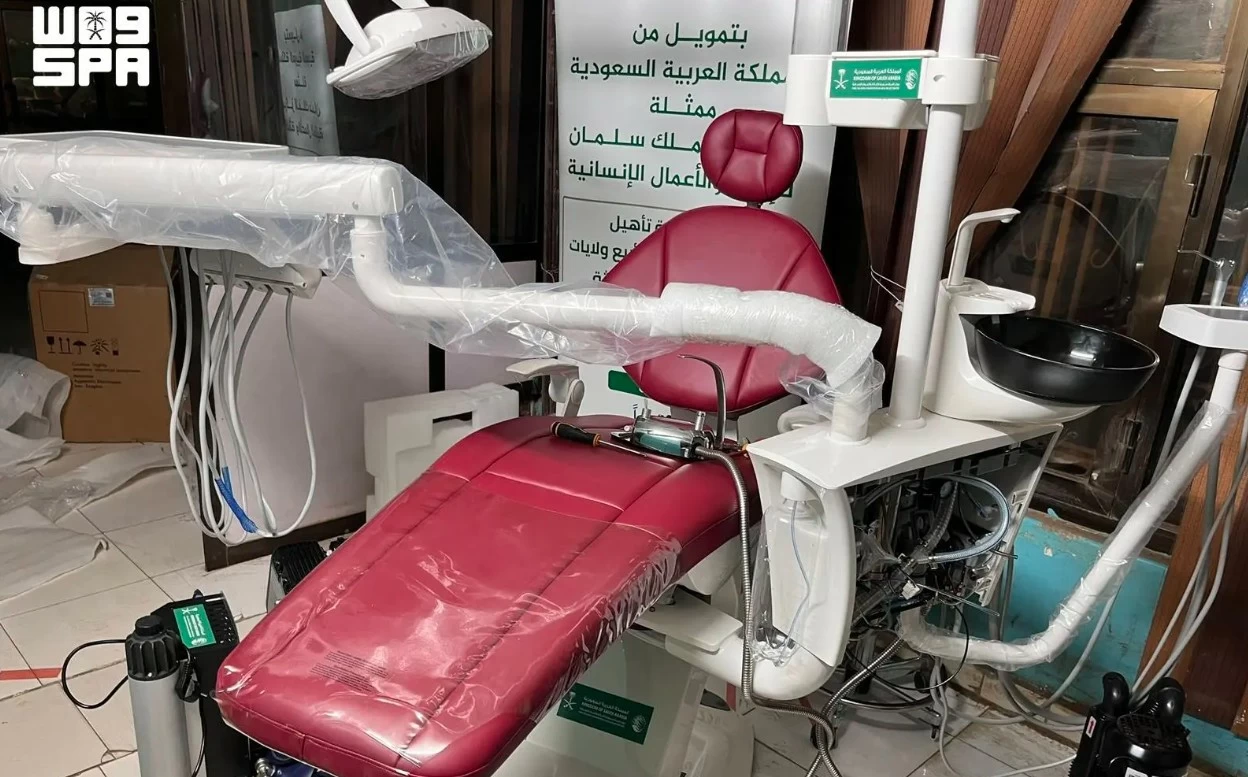
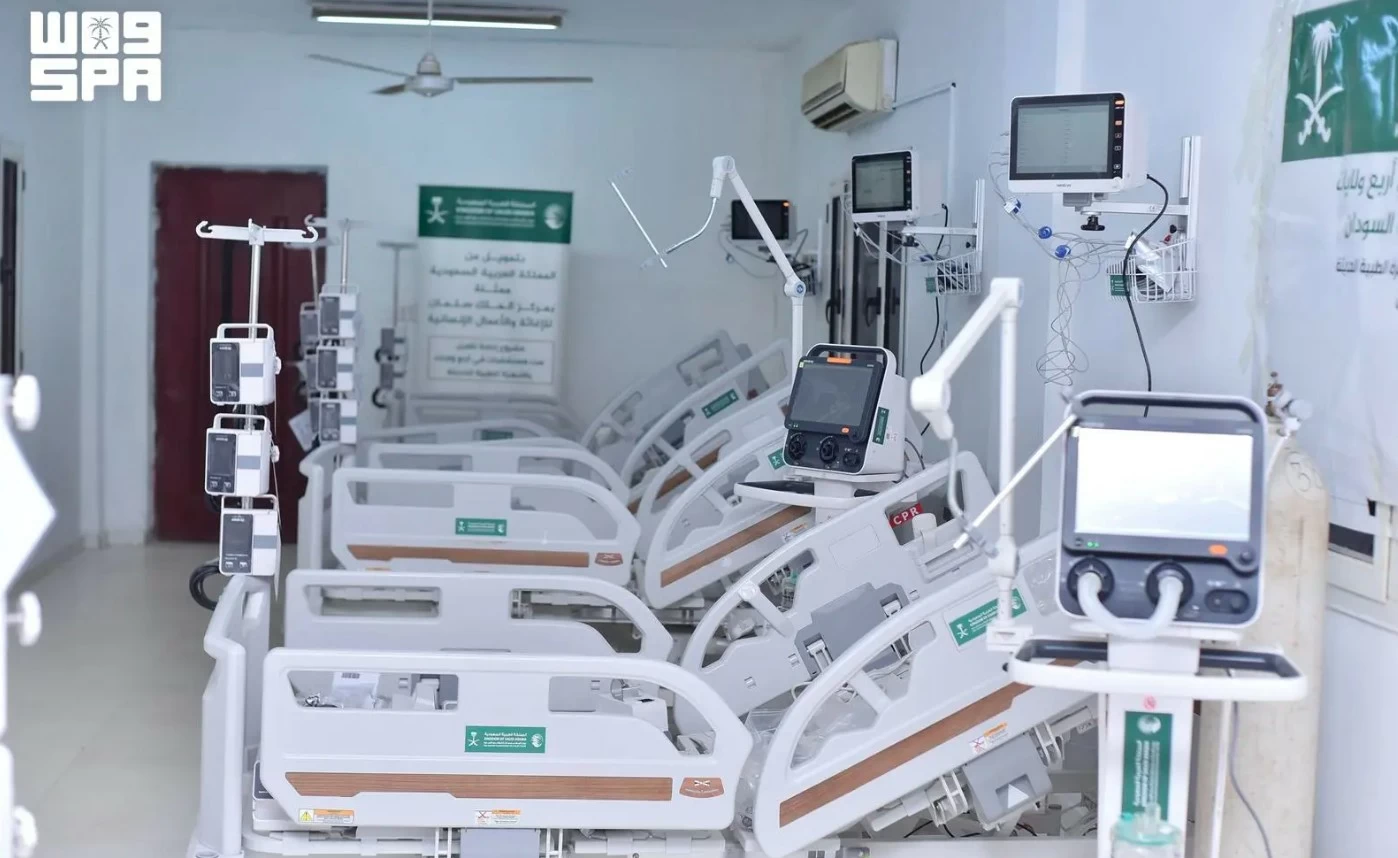
وتضمن المشروع تأمين الأجهزة والمعدات الطبية اللازمة لأقسام الطوارئ والعناية المركزة والعمليات والأطفال والتنويم والتصوير الطبي والمعامل، إلى جانب تجهيز غرف العمليات وأجهزة التنفس الاصطناعي والصدمات الكهربائية والمناظير الجراحية والأشعة والموجات الصوتية، وتركيب الأجهزة والمعدات وتشغيلها، وتدريب الكوادر الطبية والفنية على استخدامها.
وأكد السفير الحربي أن دعم المستشفيات وإعادة تأهيلها يمثلان دعماً مباشراً للإنسان السوداني. وأشار إلى أن مشروع إعادة تأهيل المستشفيات الحكومية بالأجهزة والمعدات الطبية الحديثة شهد حتى الآن إعادة تأهيل 26 مستشفى في 10 ولايات، وإنشاء تسع محطات للأكسجين في عدد من الولايات بجمهورية السودان.
من جانبه وجه وزير الصحة الاتحادي شكره للمملكة العربية السعودية ممثلةً بمركز الملك سلمان للإغاثة على دعمها المتواصل للقطاع الصحي. وأكد أن هذا الدعم تجاوز المساعدات الصحية المباشرة ليشمل مشاريع وتدخلات متعددة، من بينها توفير الأجهزة والمعدات الطبية ودعم سلسلة التبريد وتعزيز النظام الصحي.
فيما أعرب وزير المالية والتخطيط الاقتصادي عن شكره للمملكة العربية السعودية، قيادةً وشعباً، على ما قدمته للسودان من خدمات ومساعدات. وأكد أهمية توجيه المشاريع القادمة نحو الاستدامة، بما يتوافق مع حاجات السودان وأولوياته، خاصة في القطاعات الحيوية كالصحة.
ويأتي ذلك امتداداً للجهود الإغاثية والإنسانية التي تقدمها المملكة العربية السعودية عبر ذراعها الإنساني مركز الملك سلمان للإغاثة، لمساعدة الشعب السوداني الشقيق ودعم القطاع الصحي وتعزيز قدرات المؤسسات الصحية.
«سلمان للإغاثة» يدشن مشروع إعادة تأهيل ستة مستشفيات وإنشاء ثلاث محطات أكسجين في السودان
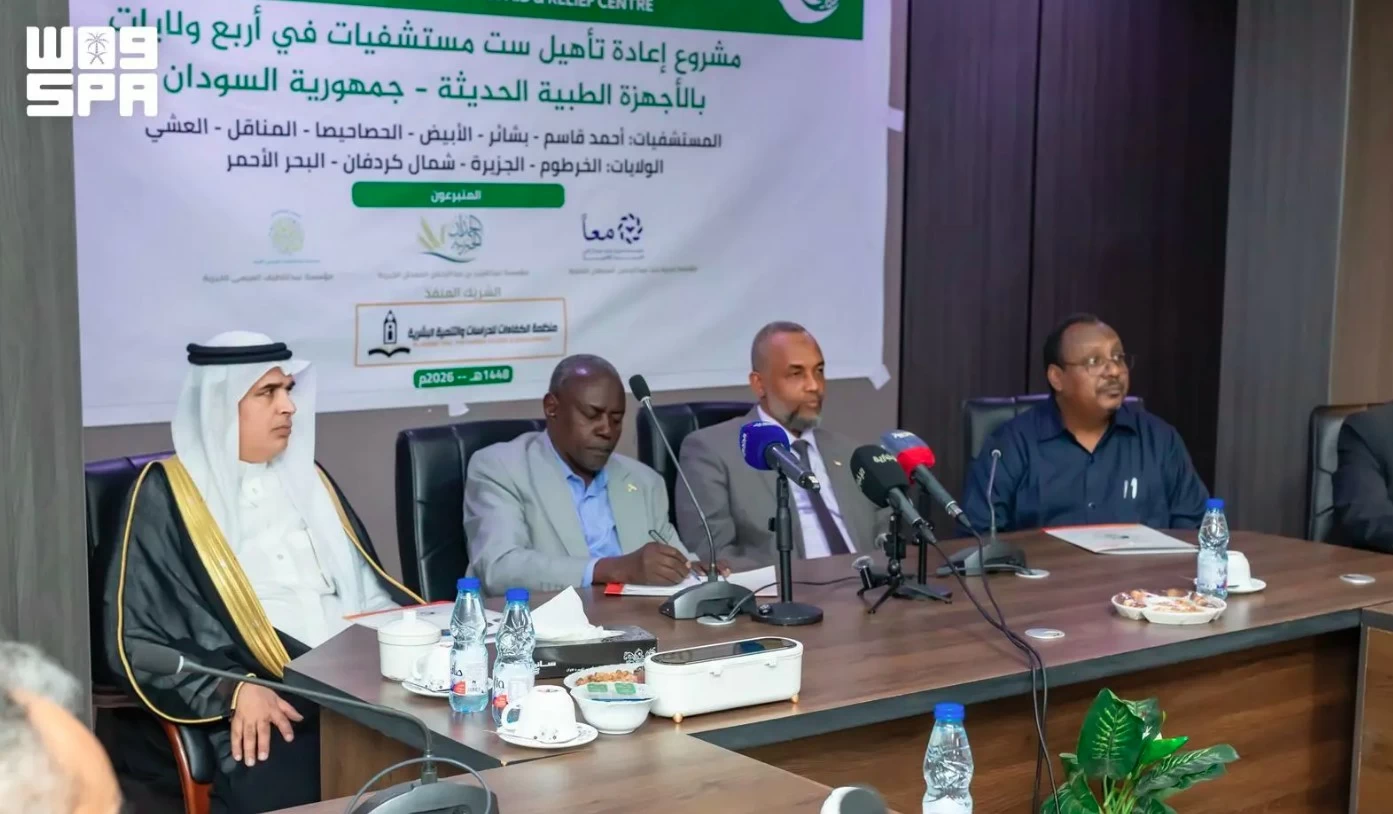
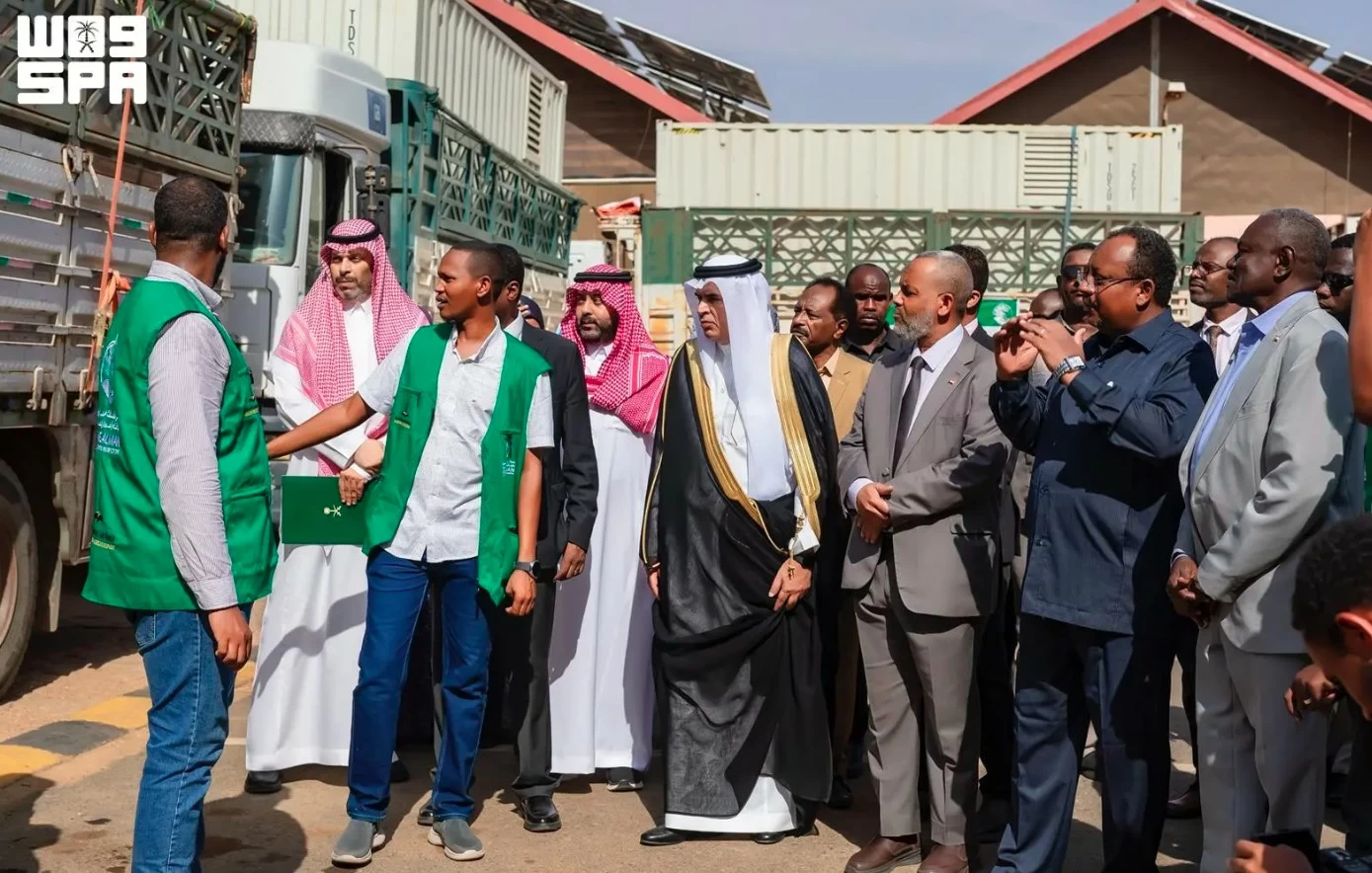


The King Salman Humanitarian Aid and Relief Center launched yesterday a project to rehabilitate six government hospitals and establish three oxygen stations in the Republic of Sudan, benefiting 3,000,000 individuals directly. This is part of the third phase of the program to rehabilitate government hospitals with modern medical devices and equipment, in collaboration with the implementing partner, the Competencies Organization for Studies and Human Development.
Present at the launch were the Ambassador of the Custodian of the Two Holy Mosques to Sudan, Dr. Zaid bin Makhlad Al-Harbi, the Federal Minister of Health, Professor Haitham Mohammed Ibrahim, the Minister of Finance and Economic Planning, Dr. Jibril Ibrahim, the Governor of Khartoum State, Ahmed Osman Hamza, the Governor of North Kordofan State, Abdelkhaleq Abdelatif, and several officials.
The project included the rehabilitation of Ahmad Qasim Hospital for Cardiology and Kidney Transplantation, Bashair University Hospital in Khartoum State, Al-Hasaheesa Educational Hospital, and Al-Manaqil Educational Hospital in Al-Jazeera State, Al-Obeid Educational Hospital in North Kordofan State, and Al-Ashi Specialized Hospital for Orthopedics in the Red Sea State, in addition to the establishment of three oxygen stations in Ahmad Qasim Hospital, the Saudi Hospital for Women and Childbirth, and the Specialized Pediatric Hospital in Khartoum State.
The project included securing the necessary medical devices and equipment for emergency, intensive care, surgery, pediatrics, inpatient, medical imaging, and laboratories, as well as equipping operating rooms, artificial respirators, defibrillators, surgical endoscopes, X-rays, and ultrasound machines, installing and operating the devices and equipment, and training medical and technical staff on their use.
Ambassador Al-Harbi emphasized that supporting hospitals and rehabilitating them represents direct support for the Sudanese people. He noted that the project to rehabilitate government hospitals with modern medical devices and equipment has so far rehabilitated 26 hospitals in 10 states and established nine oxygen stations in several states in the Republic of Sudan.
For his part, the Federal Minister of Health expressed his gratitude to the Kingdom of Saudi Arabia, represented by the King Salman Humanitarian Aid and Relief Center, for its continuous support to the health sector. He confirmed that this support has gone beyond direct health assistance to include various projects and interventions, including providing medical devices and equipment, supporting the cold chain, and strengthening the health system.
The Minister of Finance and Economic Planning expressed his gratitude to the Kingdom of Saudi Arabia, leadership and people, for the services and assistance provided to Sudan. He emphasized the importance of directing future projects towards sustainability, in line with Sudan's needs and priorities, especially in vital sectors such as health.
This comes as an extension of the humanitarian and relief efforts provided by the Kingdom of Saudi Arabia through its humanitarian arm, the King Salman Humanitarian Aid and Relief Center, to assist the brotherly Sudanese people, support the health sector, and enhance the capabilities of health institutions.