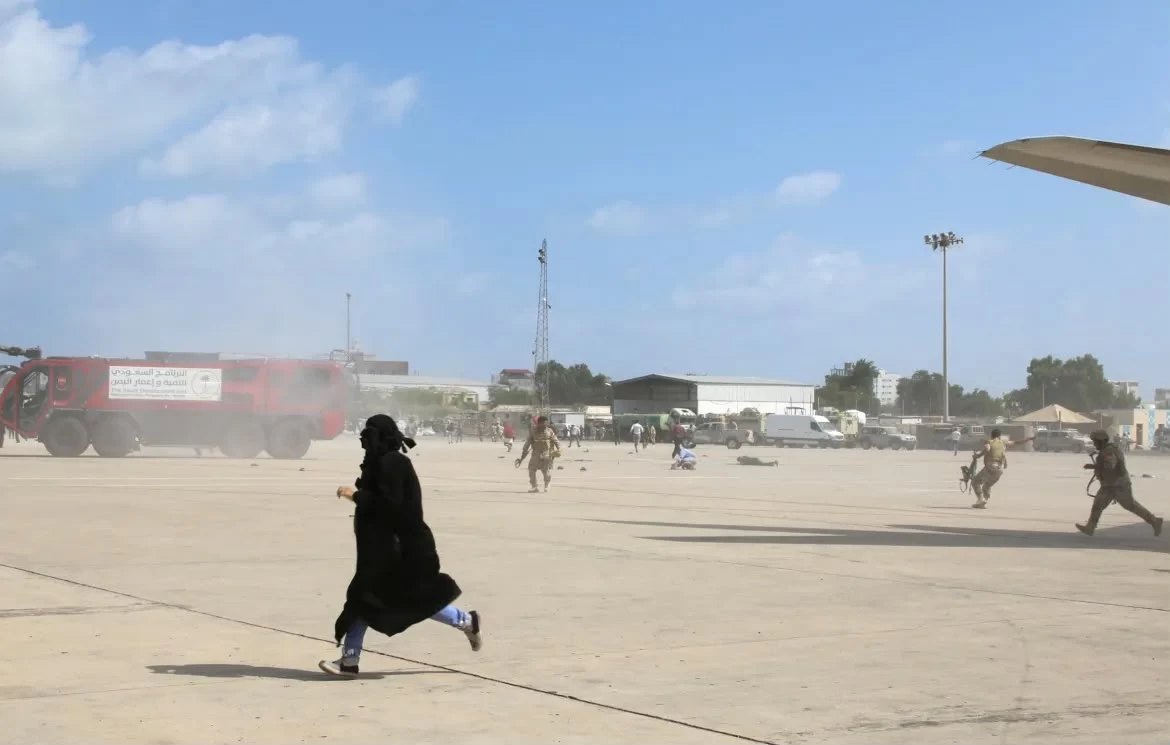
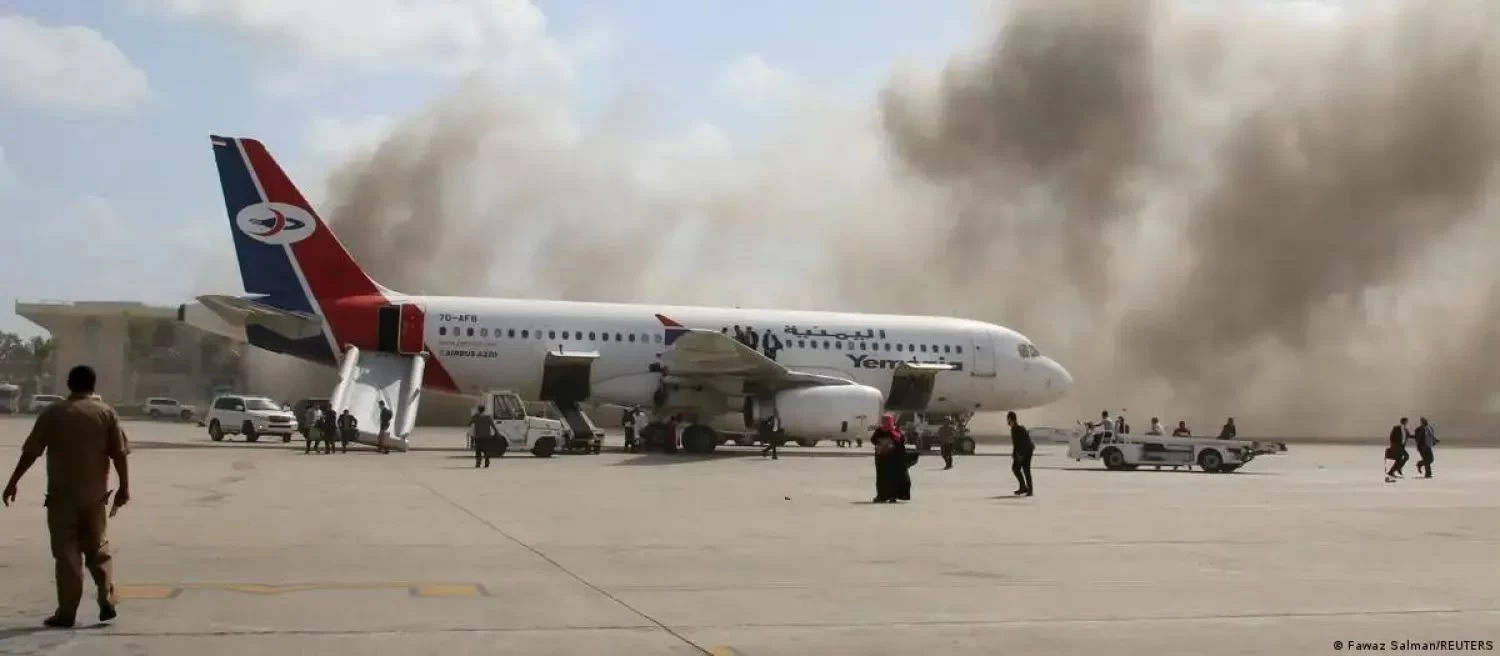
عادت صواريخ الإجرام الحوثي لتطرق أبواب مطار عدن الدولي، في سادس هجوم خلال أكتوبر، وسط مخاوف متصاعدة من تحول المطارات المدنية إلى ساحات ضغط عسكري، في مشهد يعيد إلى الواجهة إستراتيجية إيرانية تقوم على استهداف المنشآت الحيوية وتعطيل حركة الطيران، واستخدام أمن المدنيين ورقة في الصراعات الإقليمية.
وجاء الهجوم الأخير، أمس الجمعة، بعد دقائق من دعوة عاجلة لإخلاء المطار، فيما أفاد موظفون بسقوط صاروخ داخل المطار، دون تعليق رسمي من السلطات الحكومية بشأن حجم الأضرار أو الخسائر.
6هجمات.. والمدارج تحت التهديد
وتكشف سلسلة الهجمات التي تعرض لها مطار عدن خلال أكتوبر عن تصعيد متدرج، بدأ في السابع من الشهر بهجوم بطائرات مسيّرة مفخخة وصاروخين باليستيين، سقط أحدهما بالقرب من المدرج قبيل هبوط رحلة للخطوط الجوية اليمنية قادمة من القاهرة، ما اضطر السلطات إلى تحويل مسار الطائرة وإخلاء المطار من المسافرين والعاملين.
وتجدد القصف في 16 و17 أكتوبر بصاروخين سقطا داخل حرم المطار، على مسافة تقدر بنحو 500 متر من طائرة كانت تستعد للإقلاع إلى وجهة دولية، دون تسجيل خسائر بشرية، قبل أن يشهد المطار هجوماً آخر في 21 أكتوبر، بصاروخ باليستي سقط بالقرب من المدرج أثناء حركة الملاحة الجوية.
وتشير طبيعة هذه الهجمات وتوقيتها إلى مخاطر تتجاوز الأضرار المباشرة، إذ يكفي اقتراب صاروخ من مدرج نشط لتهديد سلامة مئات المسافرين، وإجبار السلطات على تعليق الرحلات وتحويل مسارات الطائرات، بما يضاعف عزلة المدن اليمنية ويضيف أعباء جديدة على السكان.
بصمات إيرانية في بنك الأهداف
ويثير تكرار استهداف المطارات اليمنية والسعودية، تساؤلات بشأن التشابه بين تكتيكات الحوثيين والنهج العسكري الإيراني في المنطقة، خصوصاً بعد الهجمات التي طالت منشآت الطيران المدني في عدد من دول الخليج خلال المواجهة العسكرية الأخيرة مع إيران.
فخلال حرب الأيام الـ12، برزت المطارات والمنشآت الحيوية ضمن الأهداف التي تعرضت للهجمات الإيرانية في دول خليجية، من بينها الكويت والبحرين والإمارات وقطر، في سياق تصعيد عسكري سعى إلى توسيع دائرة الضغوط الإقليمية، ورفع الكلفة الاقتصادية والأمنية للمواجهة.
ويرى مراقبون أن استهداف الحوثيين للمطارات يعكس توجهاً مشابهاً في اختيار الأهداف الحساسة، حيث تتحول حركة الطيران المدني إلى وسيلة ضغط على الحكومات، وتصبح سلامة المسافرين جزءاً من حسابات التصعيد.
ويعزز هذا التشابه المخاوف من انتقال أنماط المواجهة الإيرانية، إلى ساحات نفوذ المليشيات المسلحة المرتبطة بطهران، بما يهدد أمن الملاحة الجوية والاستقرار الإقليمي.
خنق عدن وإرباك الحكومة
وفي الداخل اليمني، يتزامن التصعيد الصاروخي مع اشتداد المواجهات العسكرية في عدد من الجبهات، خصوصاً تعز وباب المندب والساحل الغربي، وسط تقديرات تربط الهجمات بمحاولة الحوثيين تعويض خسائرهم الميدانية، عبر توسيع دائرة الاستهداف إلى المنشآت المدنية والحيوية.
ويعتقد مراقبون أن الضغط على مطاري عدن والمكلا يخدم أهدافاً متداخلة، منها محاولة إضعاف قدرة الحكومة على إدارة المرافق السيادية، وإرباك الحركة الاقتصادية والإنسانية، وإظهار المدن الواقعة تحت سيطرتها باعتبارها مناطق غير آمنة.
وتكتسب المطارات أهمية استثنائية في بلد أنهكته الحرب طوال 12 عاماً، إذ تمثل منافذ أساسية لسفر المرضى والطلاب والعائلات، ووصول الوفود والمساعدات، واستمرار التواصل مع العالم الخارجي.
ومع كل هجوم جديد، تتسع دائرة المتضررين من المسافرين وشركات الطيران والأنشطة الاقتصادية، فيما تزداد صعوبة استعادة انتظام الرحلات في ظل التهديدات الصاروخية المتكررة.
من الهدنة إلى التصعيد
وبعد نحو أربعة أعوام من مرحلة خفض التصعيد التي أعقبت الهدنة، دون التوصل إلى تسوية سياسية شاملة، تعود المطارات إلى الواجهة، في مؤشر على هشاشة التهدئة واستمرار قدرة مليشيات الحوثيين على تهديد المنشآت المدنية باستخدام الصواريخ الباليستية والطائرات المسيّرة.
ومنذ التصعيد العسكري الأخير في أغسطس، اتسعت الهجمات لتشمل مطاري عدن والمكلا، بالتوازي مع هجمات استهدفت مطارات سعودية، وسط مخاوف من أن يؤدي استمرار هذا النهج إلى توسيع نطاق التوتر خارج الحدود اليمنية.
اختبار جديد للموقف الدولي
ويضع التصعيد الحوثي المتكرر المجتمع الدولي أمام اختبار يتعلق بحماية الطيران المدني ومنع استخدام المطارات أدوات للإكراه العسكري، خصوصاً أن استهداف المنشآت المدنية، أو تعريض الرحلات الجوية للخطر، يشكل انتهاكاً للقانون الدولي الإنساني وفق ظروف كل هجوم.
ويحذر مراقبون من أن التعامل مع هذه الاعتداءات باعتبارها حوادث منفصلة قد يحجب طبيعة التهديد المتراكم، في ظل التشابه بين الأهداف التي تختارها الجماعة وتلك التي تعرضت للهجمات الإيرانية في المنطقة.
ومع تكرار سقوط الصواريخ قرب مدارج الطائرات، يتجاوز السؤال مستقبل مطار عدن إلى أمن الأجواء اليمنية والخليجية عموماً، ومدى قدرة الجهود الدولية على منع تحول المطارات المدنية إلى أهداف دائمة في صراعات المنطقة.
فكل صاروخ يسقط قرب مدرج مدني يهدد رحلة جوية، ويفتح جبهة جديدة من المخاطر أمام أمن المنطقة واستقرارها.
The criminal Houthi missiles have returned to strike the doors of Aden International Airport, marking the sixth attack in October, amid rising fears of civil airports turning into military pressure points. This scene brings back to the forefront an Iranian strategy that targets vital installations, disrupts air traffic, and uses civilian safety as a bargaining chip in regional conflicts.
The latest attack occurred yesterday, Friday, just minutes after an urgent call to evacuate the airport, with employees reporting a missile landing inside the airport, without any official comment from government authorities regarding the extent of the damages or losses.
6 Attacks... and the runways are under threat
A series of attacks on Aden Airport during October reveals a gradual escalation, starting on the seventh of the month with an attack involving explosive drones and two ballistic missiles, one of which fell near the runway just before a Yemenia Airlines flight from Cairo was about to land, forcing authorities to divert the aircraft and evacuate the airport of passengers and staff.
The shelling resumed on October 16 and 17 with two missiles landing within the airport premises, approximately 500 meters from an aircraft preparing for takeoff to an international destination, without any recorded human losses, before the airport witnessed another attack on October 21, when a ballistic missile fell near the runway during air traffic operations.
The nature and timing of these attacks indicate risks that go beyond direct damages, as the mere approach of a missile to an active runway threatens the safety of hundreds of passengers, forcing authorities to suspend flights and reroute aircraft, which exacerbates the isolation of Yemeni cities and adds new burdens on the population.
Iranian fingerprints in the target bank
The repeated targeting of Yemeni and Saudi airports raises questions about the similarities between Houthi tactics and the Iranian military approach in the region, especially following attacks on civil aviation facilities in several Gulf countries during the recent military confrontation with Iran.
During the 12-day war, airports and vital installations emerged as targets of Iranian attacks in Gulf countries, including Kuwait, Bahrain, the UAE, and Qatar, in the context of a military escalation that sought to broaden the scope of regional pressures and increase the economic and security costs of the confrontation.
Observers believe that the Houthis' targeting of airports reflects a similar trend in choosing sensitive targets, where civil air traffic becomes a means of pressure on governments, and the safety of travelers becomes part of the escalation calculations.
This similarity enhances fears of the transfer of Iranian confrontation patterns to the spheres of influence of armed militias linked to Tehran, threatening the safety of air navigation and regional stability.
Squeezing Aden and confusing the government
Internally in Yemen, the missile escalation coincides with intensifying military confrontations on several fronts, particularly in Taiz, Bab al-Mandab, and the western coast, amid estimates linking the attacks to the Houthis' attempts to compensate for their battlefield losses by expanding the targeting circle to civil and vital installations.
Observers believe that the pressure on Aden and Mukalla airports serves overlapping goals, including attempts to weaken the government's ability to manage sovereign facilities, disrupt economic and humanitarian movement, and portray the cities under its control as unsafe areas.
Airports gain exceptional importance in a country ravaged by war for 12 years, as they represent essential outlets for the travel of patients, students, and families, the arrival of delegations and aid, and the continuation of communication with the outside world.
With each new attack, the circle of those affected expands, including travelers, airlines, and economic activities, while it becomes increasingly difficult to restore regular flight schedules amid repeated missile threats.
From truce to escalation
After nearly four years of a de-escalation phase that followed the truce, without reaching a comprehensive political settlement, airports return to the forefront, indicating the fragility of the ceasefire and the continued ability of Houthi militias to threaten civil installations using ballistic missiles and drones.
Since the recent military escalation in August, attacks have expanded to include Aden and Mukalla airports, alongside attacks targeting Saudi airports, amid fears that the continuation of this approach could broaden the scope of tension beyond Yemen's borders.
A new test for the international stance
The repeated Houthi escalation places the international community before a test concerning the protection of civil aviation and preventing the use of airports as tools for military coercion, especially since targeting civil installations or endangering flights constitutes a violation of international humanitarian law depending on the circumstances of each attack.
Observers warn that treating these assaults as separate incidents may obscure the nature of the accumulated threat, given the similarities between the targets chosen by the group and those that have been attacked by Iranian forces in the region.
With the repeated landing of missiles near aircraft runways, the question extends beyond the future of Aden Airport to the safety of Yemeni and Gulf airspace in general, and the extent to which international efforts can prevent civil airports from becoming permanent targets in regional conflicts.
Every missile that lands near a civil runway threatens a flight and opens a new front of risks to the security and stability of the region.