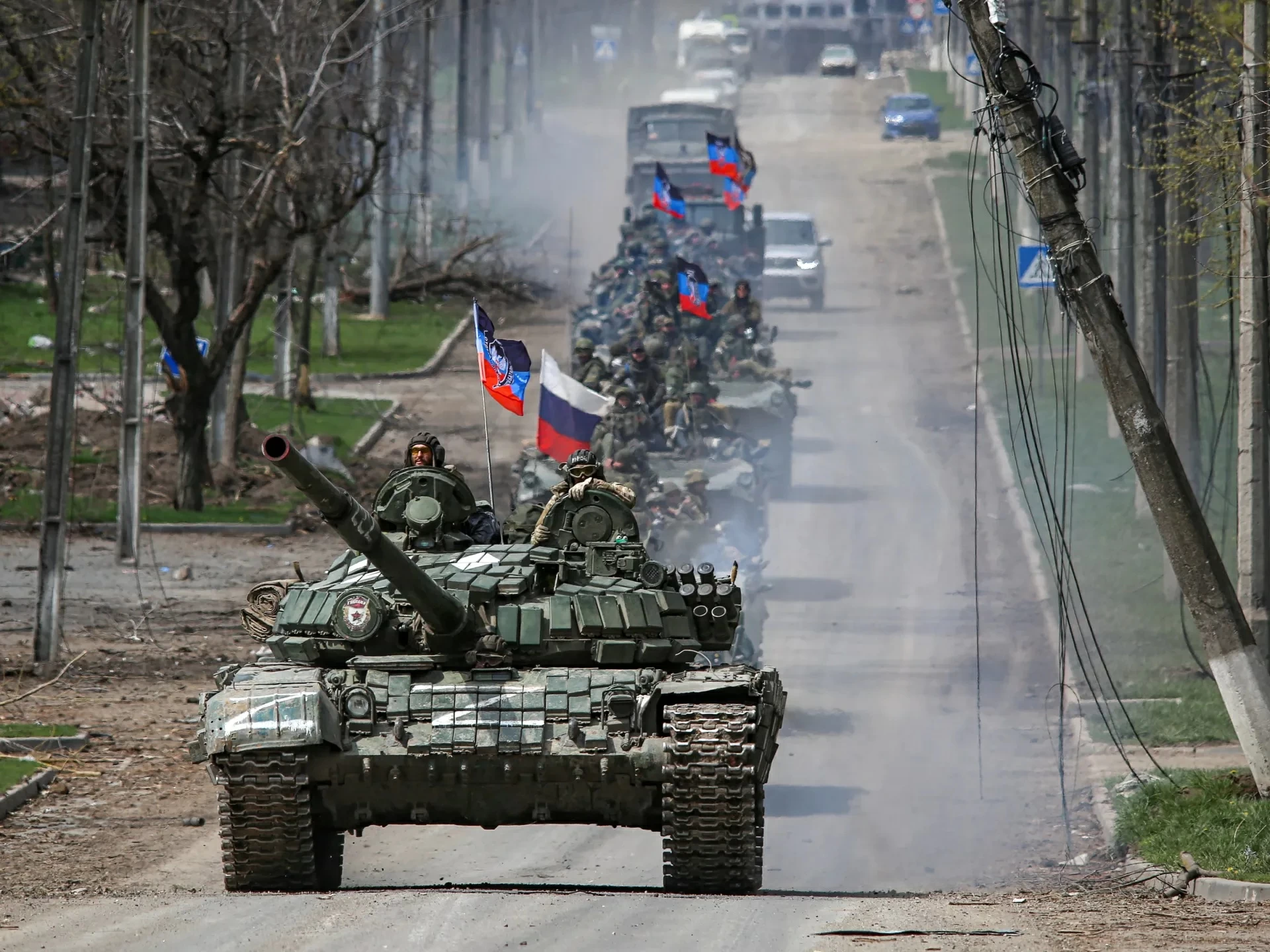
أعادت اتصالات سرية غير رسمية مع الرئيس الروسي فلاديمير بوتين، خلال الأشهر الأولى من الحرب على أوكرانيا، تسليط الضوء على تحركات غربية لاحتواء مخاطر التصعيد النووي، بعدما حذّر رجل أعمال روسي مقرب من الكرملين من احتمال لجوء موسكو إلى استخدام أسلحة نووية تكتيكية مع تعثر العمليات العسكرية.
وبحسب تحقيق نشرته صحيفة «فايننشال تايمز» في 24 أكتوبر 2026، تحرك المحامي الأميركي ريتشارد كون والمصرفي بوب فورسمان، بمساعدة ماتياس فارنيغ، المسؤول السابق في جهاز «شتازي» والمقرب من بوتين، لنقل رسائل إلى الكرملين خارج القنوات الدبلوماسية الرسمية.
وبدأت التحركات في مارس 2022، بعدما حذّر رجل أعمال روسي مقرب من الكرملين من أن تعثر العمليات العسكرية قد يدفع بوتين إلى التفكير في استخدام أسلحة نووية تكتيكية. وفي أكتوبر من العام نفسه، نقل فارنيغ إلى الوسيطين رسالة روسية تفيد باستمرار العمليات العسكرية مع إبقاء باب التفاوض مفتوحاً.
وامتدت الاتصالات إلى محاولة صياغة تسوية مطلع 2023، تضمنت انسحاب القوات الروسية من معظم الأراضي التي احتلتها حديثاً، مقابل بقاء القرم تحت السيطرة الروسية، واستبعاد انضمام أوكرانيا إلى حلف شمال الأطلسي، مع توفير ضمانات أمنية لكييف.
لكن المقترحات اصطدمت بخلافات جوهرية بشأن الأراضي، فضلاً عن غياب تفويض أميركي رسمي كامل، لتنتهي المحاولة في ربيع 2023 دون اتفاق. ورغم اعتقاد الوسيطين أن تحركاتهما ساهمت في تهدئة المخاوف النووية، ظل تأثير هذه الاتصالات في حسابات بوتين غير محسوم.
Secret informal communications with Russian President Vladimir Putin during the early months of the war in Ukraine have highlighted Western efforts to contain the risks of nuclear escalation, after a businessman close to the Kremlin warned of the possibility that Moscow might resort to using tactical nuclear weapons as military operations faltered.
According to an investigation published by the Financial Times on October 24, 2026, American lawyer Richard Cohn and banker Bob Forsman, with the help of Matthias Warnig, a former Stasi official and close associate of Putin, moved to convey messages to the Kremlin outside of official diplomatic channels.
The efforts began in March 2022, after a businessman close to the Kremlin warned that the faltering military operations could lead Putin to consider using tactical nuclear weapons. In October of the same year, Warnig conveyed a Russian message to the intermediaries indicating that military operations would continue while keeping the door open for negotiations.
The communications extended to an attempt to draft a settlement in early 2023, which included the withdrawal of Russian forces from most of the recently occupied territories, in exchange for Crimea remaining under Russian control, and excluding Ukraine from joining NATO, while providing security guarantees for Kyiv.
However, the proposals faced fundamental disagreements over territory, as well as the absence of a complete official American mandate, leading to the failure of the attempt in the spring of 2023 without an agreement. Although the intermediaries believed their efforts contributed to easing nuclear fears, the impact of these communications on Putin's calculations remained uncertain.