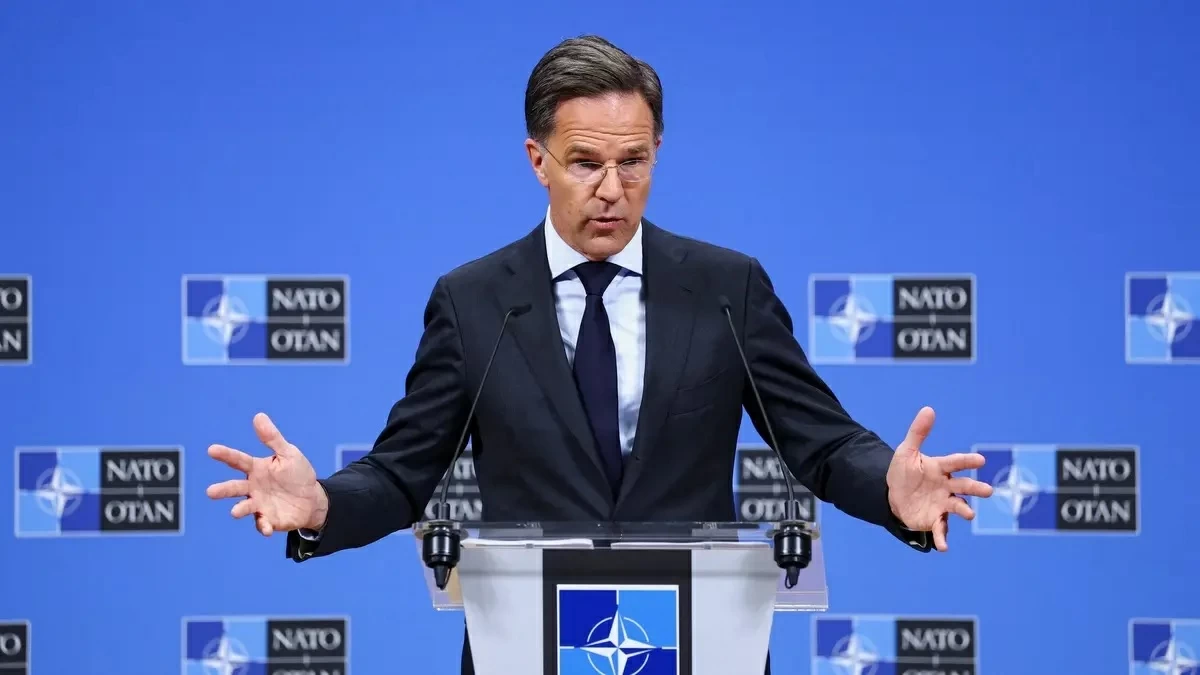
يواجه حلف شمال الأطلسي "الناتو" معضلة في التعامل مع حوادث أمنية متزايدة يُشتبه في ارتباطها بروسيا، ويدرس خيارات عسكرية واستخباراتية تتراوح بين ضرورة حماية أعضائه ومنع تكرار الهجمات، وتجنب تصعيد قد يقود إلى مواجهة عسكرية مباشرة مع موسكو.
ونقلت صحيفة «وول ستريت جورنال» عن مسؤولين غربيين قولهم: إن طائرات مسيرة مجهولة استهدفت سفينتين في المياه الإقليمية الرومانية بالبحر الأسود، فيما تعرضت سفينة ثالثة لهجوم خارج المياه الرومانية، ما أدى إلى فقدان سبعة من أفراد الطواقم. واتهمت سلطات أوروبية روسيا بالوقوف وراء هذه الهجمات، إلى جانب حوادث استهدفت سفناً قرب بلغاريا.
واجتمع الرئيس الروماني نيكوشور دان، ورئيس الوزراء البلغاري رومين راديف، مع الأمين العام للناتو مارك روته لبحث التطورات، دون الإعلان عن إجراءات محددة للرد.
خيارات الردع.. دون حرب مفتوحة
تتمثل المعضلة الأساسية، وفق الصحيفة، في كيفية دفع روسيا إلى وقف ما تعتبره الدول الغربية استفزازات وانتهاكات، دون تجاوز عتبة المواجهة العسكرية. ويحذر دبلوماسيون من أن تكرار الحوادث قد يجعلها أمراً اعتيادياً لدى الرأي العام، ويضعف الضغط على موسكو. وقال مسؤولون في الناتو إن الحلف يدرس خيارات متعددة، تشمل تعزيز المراقبة والاستطلاع في البحر الأسود، وتكثيف التدريبات العسكرية، واستخدام مزيد من الأنظمة غير المأهولة لحماية الملاحة التجارية. وتشمل الخيارات الأخرى فرض عقوبات إضافية، وطرد دبلوماسيين روس، وتفتيش مزيد من السفن المرتبطة بما يُعرف بـ«أسطول الظل» الروسي، فضلاً عن عمليات استخباراتية أو إلكترونية سرية، وإن كانت تتطلب إرادة سياسية أكبر وتنطوي على مخاطر تصعيدية.
توغلات وهجمات على جبهات متعددة
تأتي التطورات بعد أشهر من توغلات جوية في دول أعضاء بالحلف، وهجمات تخريبية واختراقات إلكترونية اتهمت دول أوروبية موسكو بالوقوف وراءها. كما عزز الناتو دورياته في بحر البلطيق وأجواء جناحه الشرقي، عقب حوادث أضرار وانقطاعات طالت كابلات بحرية وخطوط أنابيب. ويمثل البحر الأسود تحدياً خاصاً، بسبب قدرة القوات الروسية على الوصول إليه، ووجود دول أعضاء في الحلف على سواحله، بينها رومانيا وبلغاريا وتركيا. وحذر مسؤولون سابقون من أن استمرار التصعيد قد يؤدي إلى خروج الوضع عن السيطرة. وقالت السفيرة الأمريكية السابقة لدى الناتو جوليان سميث إن تصاعد التحركات الروسية قد يتحول إلى عمل عسكري مباشر.
مخاوف من انتقال التصعيد إلى الفضاء
تتزايد المخاوف الغربية من اتساع نطاق المواجهة، خصوصاً مع تراجع الدعم الأمريكي المحتمل لأوكرانيا، الذي يرى مسؤولون أوروبيون وأوكرانيون أن تقليصه قد يشجع موسكو على مزيد من التصعيد. وأثار اقتراب القمر الاصطناعي الروسي «كوزموس 2612» من قمر أمريكي ينقل معلومات تدعم الجهود الحربية الأوكرانية مخاوف من انتقال أنشطة التخريب إلى الفضاء. ويرى خبراء أن الرد الغربي يحتاج إلى إحداث أثر ملموس لردع الهجمات، فيما يحذر آخرون من أن عدم التصدي لها قد يشجع روسيا على اختبار حدود جديدة، لتظل معادلة الناتو قائمة على تحقيق الردع دون إشعال مواجهة أوسع.
NATO faces a dilemma in dealing with increasing security incidents suspected to be linked to Russia, and is considering military and intelligence options that range from the necessity of protecting its members and preventing the recurrence of attacks, to avoiding an escalation that could lead to direct military confrontation with Moscow.
The Wall Street Journal reported that Western officials stated that unidentified drones targeted two ships in Romanian territorial waters in the Black Sea, while a third ship was attacked outside Romanian waters, resulting in the loss of seven crew members. European authorities have accused Russia of being behind these attacks, along with incidents targeting ships near Bulgaria.
Romanian President Nicolae Ciucă and Bulgarian Prime Minister Rumen Radev met with NATO Secretary General Mark Rutte to discuss developments, without announcing specific measures in response.
Deterrence Options... Without Open War
The fundamental dilemma, according to the newspaper, lies in how to push Russia to stop what Western countries consider provocations and violations, without crossing the threshold of military confrontation. Diplomats warn that the recurrence of incidents could normalize them in public opinion, weakening pressure on Moscow. NATO officials stated that the alliance is considering multiple options, including enhancing surveillance and reconnaissance in the Black Sea, intensifying military exercises, and using more unmanned systems to protect commercial navigation. Other options include imposing additional sanctions, expelling Russian diplomats, inspecting more ships linked to what is known as the "Russian shadow fleet," as well as conducting covert intelligence or electronic operations, although these require greater political will and involve escalation risks.
Incursions and Attacks on Multiple Fronts
The developments come after months of aerial incursions in NATO member countries, sabotage attacks, and cyber breaches that European countries have accused Moscow of orchestrating. NATO has also increased its patrols in the Baltic Sea and the airspace of its eastern flank, following incidents of damage and interruptions affecting undersea cables and pipelines. The Black Sea poses a particular challenge due to the Russian military's ability to access it and the presence of NATO member countries along its shores, including Romania, Bulgaria, and Turkey. Former officials have warned that continued escalation could lead to the situation spiraling out of control. Former U.S. Ambassador to NATO Julianne Smith stated that the escalation of Russian movements could turn into direct military action.
Concerns About Escalation into Space
Western concerns are growing about the widening scope of confrontation, especially with the potential reduction of U.S. support for Ukraine, which European and Ukrainian officials believe could encourage Moscow to escalate further. The proximity of the Russian satellite "Kosmos 2612" to an American satellite that transmits information supporting Ukrainian war efforts has raised fears of sabotage activities extending into space. Experts believe that the Western response needs to create a tangible impact to deter attacks, while others warn that failing to address them could encourage Russia to test new limits, keeping NATO's equation focused on achieving deterrence without igniting a broader confrontation.