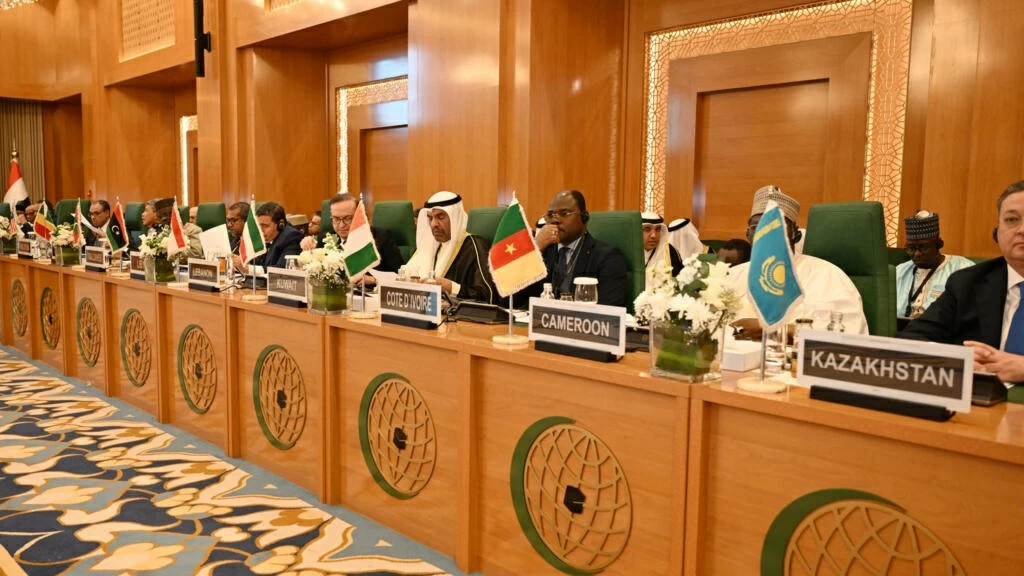
انطلقت في العاصمة العراقية بغداد، (السبت)، أعمال الدورة الـ52 لمجلس وزراء خارجية منظمة التعاون الإسلامي، بمشاركة ممثلين عن 55 دولة، وسط تصاعد التوترات الإقليمية وتصدر القضية الفلسطينية جدول المناقشات.
وقال المتحدث باسم أعمال الدورة، السفير حسنين كامل، إن الاجتماعات تُعقد يومي 17 و18 أكتوبر الجاري، بمشاركة دول أعضاء ومراقبة، إلى جانب نائبة الأمين العام للأمم المتحدة أمينة محمد، وممثلين عن جامعة الدول العربية وأكثر من 40 منظمة دولية حكومية وغير حكومية.
وتتصدر القضية الفلسطينية جدول الأعمال، مع التركيز على التهجير القسري والضم والاستيطان ومحاولات تهويد القدس، وحماية الأماكن المقدسة، إلى جانب الأوضاع الإنسانية في قطاع غزة حيث تأتي هذه الملفات في ظل تحركات عربية وإسلامية واسعة لإنهاء الصراع الفلسطيني الإسرائيلي، وضمان حماية المدنيين، والتوصل إلى تسوية سياسية تفضي إلى إقامة دولة فلسطينية مستقلة.
وتبحث الاجتماعات كذلك تطورات الأزمات الإقليمية في عدد من دول العالم الإسلامي، ومكافحة الإرهاب والتطرف، والتصدي لظاهرة الإسلاموفوبيا، فضلاً عن تعزيز التعاون الاقتصادي والتجارة البينية والاستثمار، ومواجهة تحديات الأمنين المائي والغذائي، وتطوير مشاريع الربط الكهربائي والتعاون في مجال الطاقة.
وتنعقد الدورة تحت شعار «الحوار والتضامن: ركيزتان أساسيتان لتعزيز السلم والتنمية المستدامة»، في وقت تواجه فيه دول المنظمة تحديات سياسية وأمنية واقتصادية متشابكة، ما يضع قدرتها على تنسيق المواقف وتطوير العمل الإسلامي المشترك أمام اختبار جديد.
وتكتسب الاجتماعات أهمية إضافية مع تولي العراق رئاسة مجلس وزراء خارجية المنظمة لمدة عام، إذ أعلن استعداده للعمل على تقريب وجهات النظر بين الدول الأعضاء، وتفعيل الحوار الدبلوماسي في معالجة الخلافات، بما يدعم الاستقرار الإقليمي ويعزز التنسيق بشأن القضايا ذات الاهتمام المشترك.
وتضم منظمة التعاون الإسلامي 57 دولة، وتُعد ثاني أكبر منظمة حكومية دولية بعد الأمم المتحدة. وتأسست عام 1969، وتتمثل أبرز أهدافها في تعزيز التضامن بين الدول الأعضاء، وحماية المصالح المشتركة، ودعم قضايا العالم الإسلامي، وفي مقدمتها القضية الفلسطينية والقدس.
The 52nd session of the Council of Foreign Ministers of the Organization of Islamic Cooperation (OIC) kicked off in the Iraqi capital, Baghdad, on Saturday, with the participation of representatives from 55 countries, amid rising regional tensions and the Palestinian issue dominating the agenda of discussions.
The spokesperson for the session, Ambassador Hassanein Kamel, stated that the meetings are being held on October 17 and 18, with the participation of member and observer states, alongside UN Deputy Secretary-General Amina Mohammed, representatives from the Arab League, and more than 40 international governmental and non-governmental organizations.
The Palestinian issue is at the forefront of the agenda, focusing on forced displacement, annexation, settlement, attempts to Judaize Jerusalem, and the protection of holy sites, in addition to the humanitarian situation in the Gaza Strip. These topics come amid extensive Arab and Islamic efforts to end the Israeli-Palestinian conflict, ensure the protection of civilians, and reach a political settlement leading to the establishment of an independent Palestinian state.
The meetings will also discuss developments in regional crises in several Muslim countries, combating terrorism and extremism, addressing the phenomenon of Islamophobia, as well as enhancing economic cooperation, inter-trade, and investment, tackling water and food security challenges, and developing electricity interconnection projects and cooperation in the energy sector.
The session is being held under the slogan "Dialogue and Solidarity: Two Essential Pillars for Promoting Peace and Sustainable Development," at a time when the member states are facing intertwined political, security, and economic challenges, which puts their ability to coordinate positions and develop joint Islamic action to a new test.
The meetings gain additional importance as Iraq assumes the presidency of the Council of Foreign Ministers of the organization for a year, having announced its readiness to work on bridging the viewpoints among member states and activating diplomatic dialogue to address disputes, thereby supporting regional stability and enhancing coordination on issues of common interest.
The Organization of Islamic Cooperation comprises 57 countries and is the second-largest international governmental organization after the United Nations. It was established in 1969, and its main objectives include promoting solidarity among member states, protecting common interests, and supporting the issues of the Islamic world, foremost among them the Palestinian issue and Jerusalem.