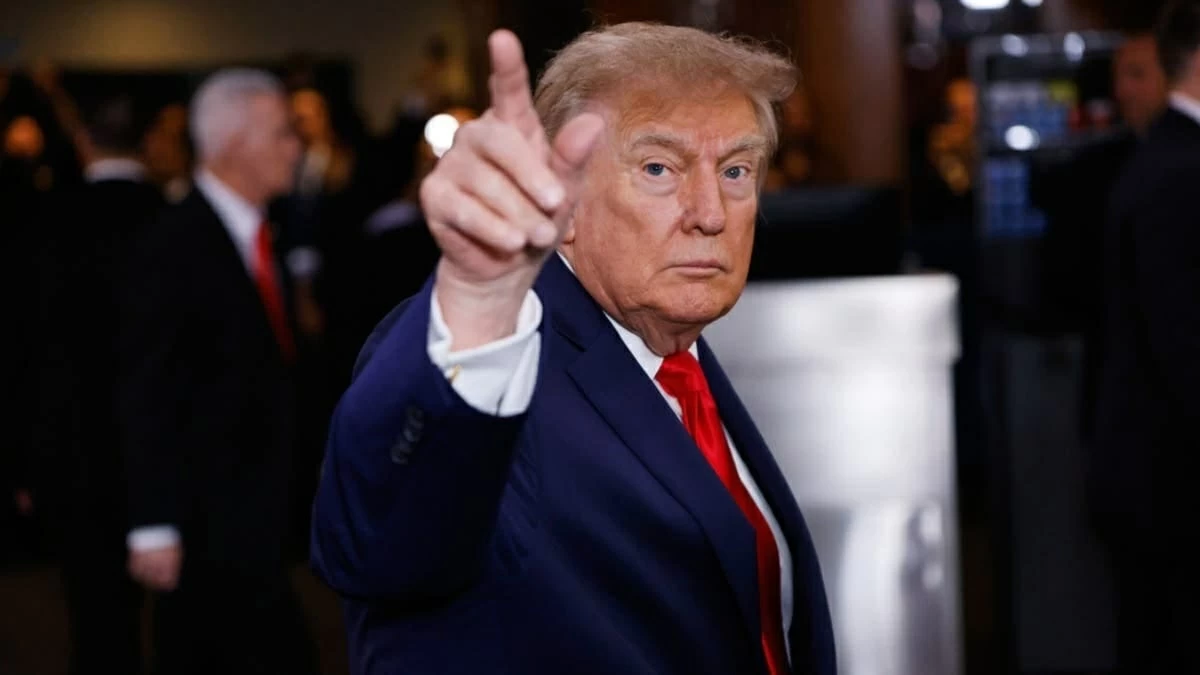
عاد سد النهضة الإثيوبي إلى واجهة التصريحات الأمريكية، بعدما جدد الرئيس الأمريكي دونالد ترمب انتقاداته للمشروع، واصفًا بناءه بأنه «أمر غبي للغاية»، ومعتبرًا أنه يؤثر سلبًا على تدفق مياه نهر النيل إلى مصر، في أحدث تطور يعيد تسليط الضوء على الخلاف المستمر بين القاهرة وأديس أبابا بشأن مستقبل الموارد المائية للنهر.
وخلال تجمع جماهيري في مدينة سيراكيوز بولاية نيويورك، مساء أمس (الجمعة)، قال ترمب إن إثيوبيا بنت أحد أكبر السدود في العالم بتمويل أمريكي، واعتبر أن المشروع أدى إلى استحواذها على مياه النيل، وهو ما وصفه بأنه أمر سيئ بالنسبة إلى مصر.
ولم يكشف الرئيس الأمريكي عن طبيعة الحل الذي قد تتجه إليه واشنطن لتسوية الخلاف، كما لم يوضح ما إذا كانت تصريحاته تمهد لتحرك دبلوماسي جديد أو لاستئناف الوساطة الأمريكية بين الدول المعنية، في وقت لا تزال فيه الأزمة دون اتفاق ملزم ينظم قواعد ملء السد وتشغيله.
ترمب وسد النهضة.. انتقادات متكررة
وليست هذه المرة الأولى التي يهاجم فيها ترمب المشروع الإثيوبي، إذ سبق أن تناول ملف سد النهضة خلال ولايته الأولى، عندما رعت إدارته مفاوضات بين مصر وإثيوبيا والسودان للتوصل إلى اتفاق بشأن قواعد ملء خزان السد وتشغيله.
واستضافت واشنطن جولات تفاوضية بمشاركة الدول الثلاث، وبحضور الولايات المتحدة والبنك الدولي بصفة مراقبين.
وفي عام 2020، طرحت الإدارة الأمريكية مسودة اتفاق استندت إلى مقترحات الفرق الفنية والقانونية للدول المعنية، وقالت إنها تهدف إلى معالجة القضايا العالقة بصورة متوازنة. لكن المفاوضات تعثرت بعدما طلبت إثيوبيا مزيدًا من الوقت لإجراء مشاورات داخلية، ورفضت اعتبار المحادثات قد انتهت إلى اتفاق نهائي، كما غابت عن الاجتماع الختامي الذي سبق إعلان واشنطن موقفها من المسودة.
جدل التمويل الأمريكي للسد
وفي يونيو 2025، أعاد ترمب إثارة قضية سد النهضة عبر منشور على منصة «تروث سوشيال»، تحدث فيه عن عدم حصوله على جائزة نوبل للسلام رغم ما قال إنه دور له في الحفاظ على السلام بين مصر وإثيوبيا.
ووصف ترمب السد بأنه مشروع ضخم بنته إثيوبيا بتمويل أمريكي، معتبرًا أن هذا التمويل كان قرارًا «غبيًا»، ومشيرًا إلى أن المشروع يقلل تدفق المياه إلى نهر النيل.
لكن أديس أبابا رفضت هذه الرواية، إذ أكد وزير المياه والطاقة الإثيوبي هبتامو إتيفا، في رد نشره عبر منصة «إكس»، أن السد مشروع محلي بناه الشعب الإثيوبي من أجل الشعب، وليس بمساعدات أجنبية.
وفي فبراير 2026، نفى رئيس الوزراء الإثيوبي آبي أحمد، أمام البرلمان، تلقي بلاده قروضًا أو مساعدات مالية أجنبية لبناء السد، وذلك بعد تصريحات لترمب خلال منتدى دافوس قال فيها إن الولايات المتحدة مولت المشروع، كما أكدت شركة «ساليني» المنفذة للسد أنه ممول بالكامل من إثيوبيا.
وتقول الحكومة الإثيوبية إن المشروع جرى تمويله من مواردها ومساهمات شعبها، بينما ظل الجدل بشأن طبيعة التمويل جزءًا من الخلاف السياسي المحيط بالسد.
مشروع ضخم ومخاوف مصرية
تُقدر تكلفة سد النهضة بنحو 4 مليارات دولار، وتبلغ قدرته الإنتاجية المستهدفة 5150 ميجاواط من الكهرباء، ما يجعله أحد أكبر مشاريع الطاقة الكهرومائية في أفريقيا، وأكبر سد في القارة من حيث القدرة الكهربائية وفق البيانات المعلنة للمشروع.
وتنظر إثيوبيا إلى السد باعتباره مشروعًا استراتيجيًا لدعم إنتاج الكهرباء وتعزيز التنمية الاقتصادية، في حين تتمسك مصر بضرورة ضمان عدم تأثر حصتها من مياه النيل، نظرًا إلى اعتمادها الكبير على النهر في تلبية حاجاتها المائية.
وتؤكد القاهرة أن مياه النيل تمثل مصدرًا رئيسيًا لأمنها المائي، إذ تعتمد عليها في الجزء الأكبر من مواردها المائية، فيما تصف السد بأنه تهديد بالغ الخطورة لأمنها المائي في حال تشغيله بصورة أحادية ودون اتفاق ملزم.
وتطالب مصر بالتوصل إلى اتفاق قانوني ملزم ينظم قواعد ملء خزان السد وتشغيله، ويضع آليات واضحة للتعامل مع فترات الجفاف والجفاف الممتد، إلى جانب ضمان تبادل البيانات والتنسيق بين الدول الثلاث. وفي المقابل، تتمسك إثيوبيا بحقها في استغلال مواردها المائية لتوليد الكهرباء وتحقيق التنمية، بينما يظل السودان أيضًا طرفًا معنيًا بالمفاوضات، بالنظر إلى موقعه الجغرافي وتأثيرات تشغيل السد المحتملة على موارده المائية ومنشآته.
The Grand Ethiopian Renaissance Dam has returned to the forefront of American statements, after U.S. President Donald Trump renewed his criticisms of the project, describing its construction as "extremely foolish," and considering that it negatively affects the flow of the Nile River's waters to Egypt. This is the latest development that sheds light on the ongoing dispute between Cairo and Addis Ababa regarding the future of the river's water resources.
During a rally in Syracuse, New York, last night (Friday), Trump stated that Ethiopia built one of the largest dams in the world with American funding, and he considered that the project led to its control over the Nile's waters, which he described as detrimental to Egypt.
The U.S. President did not reveal the nature of the solution that Washington might pursue to settle the dispute, nor did he clarify whether his statements pave the way for a new diplomatic move or for the resumption of American mediation between the concerned countries, at a time when the crisis remains without a binding agreement regulating the rules for filling and operating the dam.
Trump and the Renaissance Dam.. Repeated Criticisms
This is not the first time Trump has attacked the Ethiopian project, as he previously addressed the issue of the Renaissance Dam during his first term, when his administration sponsored negotiations between Egypt, Ethiopia, and Sudan to reach an agreement on the rules for filling and operating the dam's reservoir.
Washington hosted rounds of negotiations involving the three countries, with the United States and the World Bank present as observers.
In 2020, the U.S. administration proposed a draft agreement based on the suggestions of the technical and legal teams from the concerned countries, stating that it aimed to address the outstanding issues in a balanced manner. However, the negotiations stalled after Ethiopia requested more time for internal consultations and refused to consider the talks as having reached a final agreement, also absenting itself from the final meeting that preceded Washington's position on the draft.
Controversy Over U.S. Funding for the Dam
In June 2025, Trump reignited the issue of the Renaissance Dam through a post on the "Truth Social" platform, discussing how he did not receive the Nobel Peace Prize despite what he claimed was his role in maintaining peace between Egypt and Ethiopia.
Trump described the dam as a massive project built by Ethiopia with American funding, considering that this funding was a "foolish" decision, and pointing out that the project reduces the flow of water to the Nile.
However, Addis Ababa rejected this narrative, as Ethiopian Minister of Water and Energy, Habtamu Itefa, stated in a response published on the "X" platform that the dam is a local project built by the Ethiopian people for the people, not with foreign aid.
In February 2026, Ethiopian Prime Minister Abiy Ahmed denied before Parliament that his country received loans or foreign financial aid to build the dam, following Trump's statements during the Davos Forum in which he said that the United States funded the project. The company "Salini," which is executing the dam, also confirmed that it is fully funded by Ethiopia.
The Ethiopian government states that the project has been funded by its own resources and contributions from its people, while the debate over the nature of the funding remains part of the political dispute surrounding the dam.
A Massive Project and Egyptian Concerns
The cost of the Renaissance Dam is estimated at about $4 billion, with a targeted production capacity of 5,150 megawatts of electricity, making it one of the largest hydropower projects in Africa and the largest dam on the continent in terms of electrical capacity according to the project's announced data.
Ethiopia views the dam as a strategic project to support electricity production and enhance economic development, while Egypt insists on ensuring that its share of the Nile's waters is not affected, given its heavy reliance on the river to meet its water needs.
Cairo affirms that the Nile's waters represent a primary source of its water security, as it relies on them for the majority of its water resources, while describing the dam as a severe threat to its water security if operated unilaterally and without a binding agreement.
Egypt demands reaching a binding legal agreement that regulates the rules for filling the dam's reservoir and operating it, establishes clear mechanisms for dealing with periods of drought and prolonged drought, and ensures data exchange and coordination among the three countries. In contrast, Ethiopia insists on its right to exploit its water resources for electricity generation and development, while Sudan also remains a concerned party in the negotiations, given its geographical location and the potential impacts of the dam's operation on its water resources and facilities.