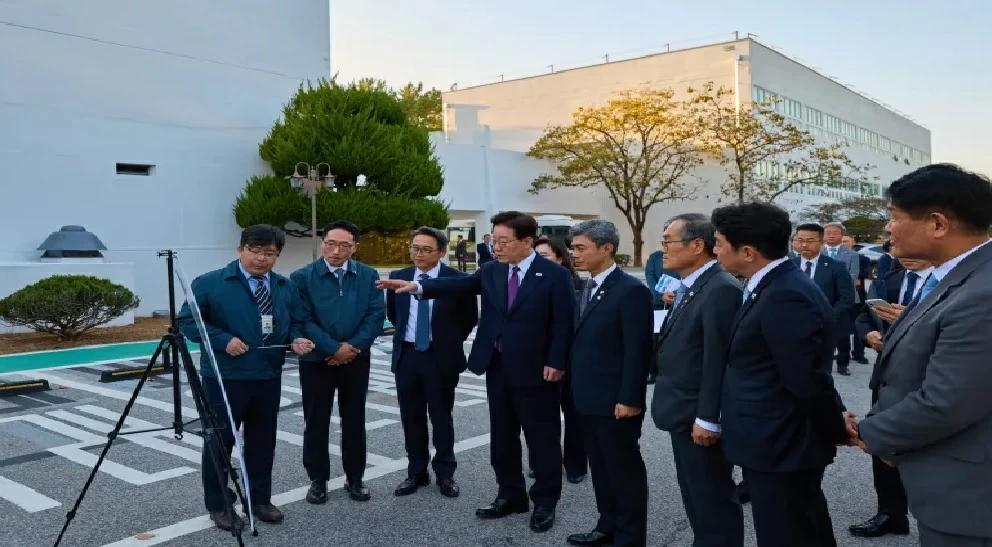
بعد أيام من إعلان كوريا الشمالية إجراء اختبار مماثل، أعلن الرئيس الكوري الجنوبي لي جاي ميونغ، نجاح أول اختبار لإطلاق صاروخ فرط صوتي مطور محلياً، بحسب مكتب الرئاسة (الخميس).
وأعرب لي الذي أشرف على إطلاق الصاروخ عن فخره بذلك، وقال في منشور عبر موقع فيسبوك: «نجح اليوم أول اختبار لإطلاق صاروخ فرط صوتي، الذي قمنا بتطويره باستخدام تقنياتنا الخاصة».
ووصف المكتب الرئاسي الصاروخ بأنه مكسب إستراتيجي لكوريا الجنوبية، لافتاً إلى قدرته على ضرب الأهداف بشكل مفاجئ بفضل مسارات طيرانه غير المتوقعة وسرعته الفائقة.
وكانت كوريا الشمالية أعلنت (السبت) الماضي، اختبار صاروخ باليستي متوسط المدى باستخدام الذكاء الاصطناعي، في أحدث إطلاق صاروخي تجريه هذا العام.
وأوضحت كيم يو جونغ، شقيقة الزعيم الكوري الشمالي كيم جون أون، أن الصاروخ يتميز بقدرته على تغيير مسار تحليقه على ارتفاع منخفض بفضل دمج تقنيات الذكاء الاصطناعي فيه.
وجاء إعلان كوريا الشمالية بعد ساعات من إعلان جارتها الجنوبية رصد إطلاق الصاروخ، حيث أشارت إلى أنها والولايات المتحدة تحللان التجربة للوقوف على تفاصيلها، في حين عقد مجلس الأمن القومي في البلاد اجتماعاً طارئاً لتقييم الوضع، بالتزامن مع تعزيز التنسيق وتبادل المعلومات الاستخباراتية مع أمريكا واليابان.
Days after North Korea announced a similar test, South Korean President Yoon Suk-yeol announced the successful first test of a domestically developed hypersonic missile, according to the presidential office (Thursday).
Yoon, who oversaw the missile launch, expressed his pride in this achievement, stating in a post on Facebook: "Today, we successfully conducted the first test of the hypersonic missile that we developed using our own technologies."
The presidential office described the missile as a strategic asset for South Korea, noting its ability to strike targets unexpectedly due to its unpredictable flight paths and high speed.
North Korea announced last Saturday the testing of a medium-range ballistic missile using artificial intelligence, in its latest missile launch this year.
Kim Yo-jong, sister of North Korean leader Kim Jong-un, explained that the missile is characterized by its ability to change its flight path at low altitudes thanks to the integration of artificial intelligence technologies.
The announcement from North Korea came hours after its southern neighbor reported the missile launch, indicating that both it and the United States are analyzing the test to understand its details, while the country's National Security Council held an emergency meeting to assess the situation, coinciding with enhanced coordination and intelligence sharing with the U.S. and Japan.