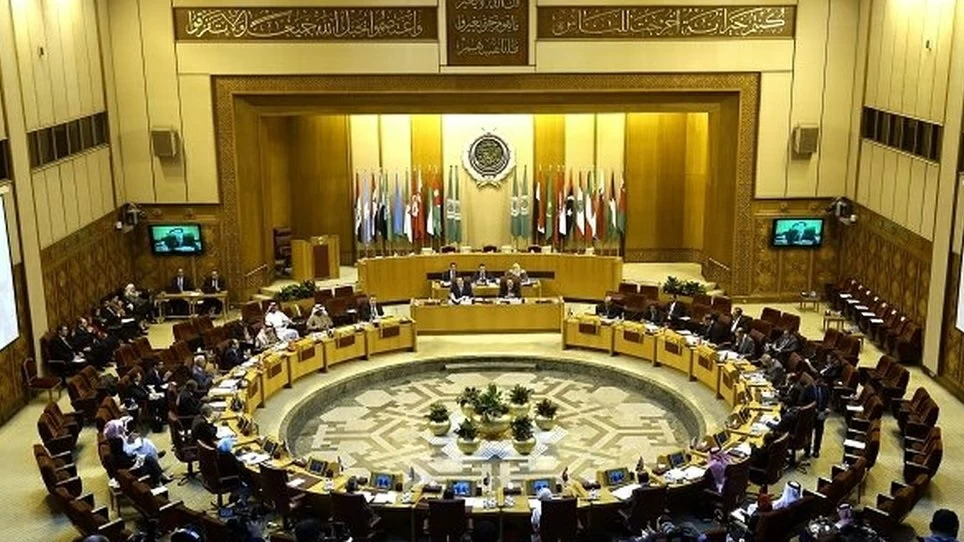
يجتمع وزراء الخارجية العرب، غداً (الإثنين)، في القاهرة، للمشاركة في أعمال الدورة العادية الـ166 لمجلس جامعة الدول العربية على المستوى الوزاري، برئاسة تونس، وسط تطورات إقليمية متسارعة تضع القضية الفلسطينية والأمن القومي العربي والأزمات العربية على رأس جدول أعمال الاجتماع.
وتنعقد الدورة في مقر الأمانة العامة لجامعة الدول العربية، فيما تتولى تونس رئاسة مجلس الجامعة على المستوى الوزاري للفترة من سبتمبر 2026 إلى مارس 2027، خلفاً لمملكة البحرين. ويترأس وزير الشؤون الخارجية والهجرة والتونسيين بالخارج محمد علي النفطي الوفد التونسي إلى الاجتماع، في وقت أكدت فيه بلاده أن رئاستها ستقوم على الحوار والتشاور والتنسيق ودعم مسارات التوافق العربي وتقريب وجهات النظر.
وتتصدر القضية الفلسطينية جدول أعمال الوزراء، في ظل استمرار التطورات الميدانية في قطاع غزة والضفة الغربية، إذ يبحث الاجتماع الموقف العربي من الاعتداءات الإسرائيلية، والجهود الرامية إلى تثبيت وقف إطلاق النار، وضمان وصول المساعدات الإنسانية، ودعم صمود الشعب الفلسطيني، إلى جانب مساندة المساعي الرامية إلى إقامة الدولة الفلسطينية المستقلة وعاصمتها القدس الشرقية وفق قرارات الشرعية الدولية ومبادرة السلام العربية.
كما يكتسب ملف غزة أهمية خاصة في ضوء استمرار المخاوف العربية من تداعيات الحرب على الأمن والاستقرار الإقليميين، فضلاً عن بحث خطط إعادة إعمار القطاع، ودعم الفلسطينيين سياسياً واقتصادياً واجتماعياً، ومواجهة أي محاولات لفرض التهجير أو تغيير التركيبة السكانية للأراضي الفلسطينية، وهي ملفات برزت خلال المناقشات التحضيرية للدورة.
وفي مقدمة الملفات على جدول الأعمال تأتي الهجمات الإيرانية على عدد من الدول العربية، وما يرتبط بها من تداعيات على الأمن القومي العربي، إلى جانب بحث الالتزامات المترتبة على إيران بموجب القانون الدولي، في ظل تصاعد التوترات الإقليمية وانعكاساتها على أمن دول المنطقة، كما يناقش المجلس ملف الجزر الإماراتية الثلاث التي تحتلها إيران، في إطار الملفات المتعلقة بالسيادة والأمن القومي العربي.
ويمتد جدول الأعمال إلى عدد من الأزمات العربية، إذ يبحث الوزراء تطورات الأوضاع في سورية والسودان ولبنان وليبيا واليمن والصومال وجزر القمر، إلى جانب تطورات الجولان العربي السوري المحتل، والتضامن مع لبنان ودعمه، بما يعكس اتساع نطاق الملفات السياسية والأمنية التي تواجه العمل العربي المشترك في المرحلة الراهنة.
ويحضر ملف الأمن القومي العربي ومكافحة الإرهاب بقوة في مناقشات الدورة، مع بحث سبل تعزيز المنظومة العربية لمكافحة الإرهاب، والتعامل مع التهديدات الأمنية العابرة للحدود، في ظل تشابك الأزمات السياسية والعسكرية في عدد من الدول العربية مع تحديات أمنية واقتصادية وإنسانية متزايدة.
ولا تقتصر أعمال المجلس على الملفات السياسية والأمنية، إذ يتضمن مشروع جدول الأعمال بنوداً اقتصادية واجتماعية وتنموية وثقافية وقانونية، بما في ذلك بحث أوجه التعاون العربي المشترك في هذه المجالات، إلى جانب ملفات مرتبطة بعمل اللجان الدائمة التابعة للجامعة العربية. ومن المقرر كذلك إجراء انتخابات لتعيين رؤساء عدد من اللجان، بينها لجنة حقوق الإنسان واللجنة الدائمة للإعلام ولجنة القانون الدولي الإنساني، فضلاً عن بحث تعيين قضاة المحكمة الإدارية للجامعة العربية.
وكان المندوبون الدائمون للدول العربية قد عقدوا، (السبت)، اجتماعاً تحضيرياً للدورة الـ166 بمقر الأمانة العامة للجامعة في القاهرة، برئاسة تونس، إذ ناقشوا مشروع جدول الأعمال ومشاريع القرارات تمهيداً لرفعها إلى وزراء الخارجية، في إطار التحضير للاجتماع الوزاري.
وتأتي اجتماعات القاهرة في توقيت بالغ الحساسية بالنسبة إلى النظام الإقليمي العربي، مع تداخل أزمات غزة وسورية ولبنان والسودان واليمن وليبيا مع التوترات الأمنية الأوسع في المنطقة، الأمر الذي يضع الوزراء أمام اختبار جديد بشأن قدرة الجامعة العربية على تنسيق المواقف تجاه الملفات الأكثر إلحاحاً، وتعزيز آليات العمل العربي المشترك.
ومن المنتظر أن تشهد أعمال الدورة لقاءات ثنائية بين وزراء الخارجية العرب، إلى جانب مناقشات بشأن سبل احتواء الأزمات القائمة وتعزيز التشاور العربي، فيما تتولى تونس رئاسة الدورة الجديدة وسط تأكيدات بأن الأولوية ستكون لدعم التوافق وتقريب وجهات النظر وتعزيز وحدة الموقف العربي في مواجهة التحديات الإقليمية.
The Arab foreign ministers will meet tomorrow (Monday) in Cairo to participate in the 166th regular session of the Arab League Council at the ministerial level, chaired by Tunisia, amid rapidly evolving regional developments that place the Palestinian issue, Arab national security, and Arab crises at the top of the meeting's agenda.
The session will be held at the headquarters of the Arab League General Secretariat, while Tunisia will assume the presidency of the Council at the ministerial level from September 2026 to March 2027, succeeding the Kingdom of Bahrain. The Tunisian delegation to the meeting will be headed by Minister of Foreign Affairs, Migration, and Tunisians Abroad, Mohamed Ali Nafti, at a time when his country has confirmed that its presidency will be based on dialogue, consultation, coordination, and support for paths of Arab consensus and bridging viewpoints.
The Palestinian issue tops the ministers' agenda, in light of ongoing developments on the ground in the Gaza Strip and the West Bank, as the meeting will discuss the Arab stance on Israeli aggressions, efforts to stabilize the ceasefire, ensure the delivery of humanitarian aid, and support the resilience of the Palestinian people, along with backing efforts to establish an independent Palestinian state with East Jerusalem as its capital in accordance with international legitimacy and the Arab Peace Initiative.
The Gaza file also gains special importance in light of ongoing Arab concerns about the repercussions of the war on regional security and stability, in addition to discussing plans for the reconstruction of the sector, supporting Palestinians politically, economically, and socially, and confronting any attempts to impose displacement or change the demographic composition of Palestinian territories, issues that emerged during the preparatory discussions for the session.
At the forefront of the agenda are Iranian attacks on several Arab countries and their implications for Arab national security, along with discussing Iran's obligations under international law, amid escalating regional tensions and their reflections on the security of the countries in the region. The council will also discuss the file of the three Emirati islands occupied by Iran, within the framework of issues related to sovereignty and Arab national security.
The agenda extends to several Arab crises, as ministers will discuss developments in Syria, Sudan, Lebanon, Libya, Yemen, Somalia, and Comoros, in addition to developments in the occupied Syrian Golan, and solidarity with Lebanon and its support, reflecting the widening scope of political and security issues facing Arab joint action at this time.
The file of Arab national security and combating terrorism will be strongly present in the discussions of the session, with a focus on ways to enhance the Arab system for combating terrorism and dealing with cross-border security threats, amid the intertwining of political and military crises in several Arab countries with increasing security, economic, and humanitarian challenges.
The council's work is not limited to political and security files, as the draft agenda includes economic, social, developmental, cultural, and legal items, including discussing aspects of joint Arab cooperation in these areas, along with files related to the work of the permanent committees of the Arab League. Elections are also scheduled to appoint heads of several committees, including the Human Rights Committee, the Permanent Committee for Media, and the Committee on International Humanitarian Law, in addition to discussing the appointment of judges for the Arab League Administrative Court.
The permanent representatives of Arab countries held a preparatory meeting for the 166th session on Saturday at the headquarters of the League's General Secretariat in Cairo, chaired by Tunisia, where they discussed the draft agenda and draft resolutions in preparation for submitting them to the foreign ministers, as part of the preparations for the ministerial meeting.
The Cairo meetings come at a highly sensitive time for the Arab regional system, with the interconnection of crises in Gaza, Syria, Lebanon, Sudan, Yemen, and Libya with broader security tensions in the region, which puts the ministers to a new test regarding the Arab League's ability to coordinate positions on the most pressing issues and enhance mechanisms for Arab joint action.
The session is expected to witness bilateral meetings between Arab foreign ministers, alongside discussions on ways to contain existing crises and enhance Arab consultation, while Tunisia assumes the presidency of the new session with assurances that the priority will be to support consensus, bridge viewpoints, and strengthen the unity of the Arab position in facing regional challenges.