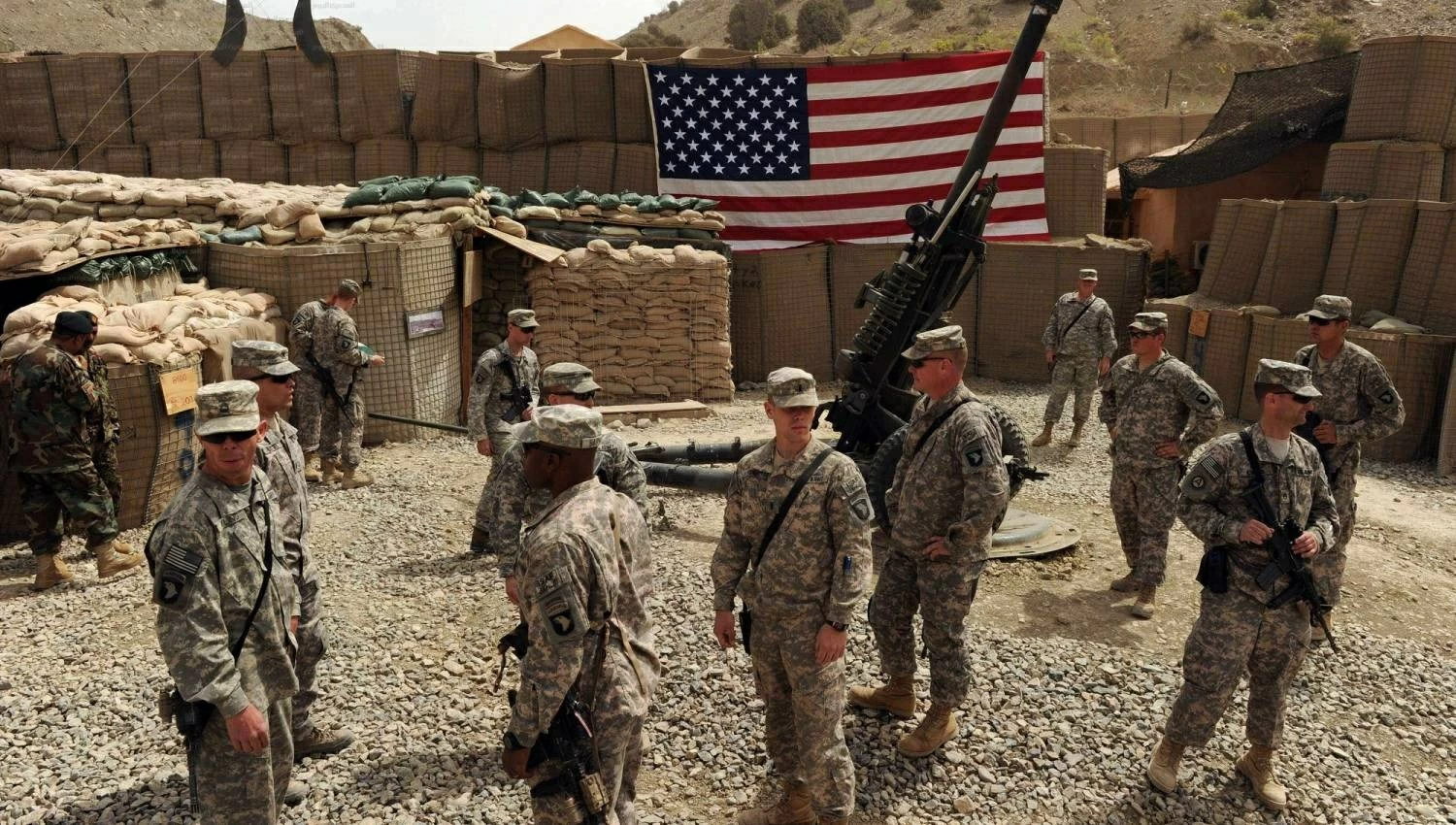
في وقت تبدي فيه حكومة طالبان انفتاحاً متزايداً على واشنطن، وتعرض عليها فرصاً للاستثمار والتعاون الاقتصادي، تتزايد المخاوف في الأوساط السياسية الإيرانية من معضلة جديدة على حدودها الشرقية.
وتكشف الانتقادات الإيرانية الأخيرة عن مراجعة متنامية لسياسة طهران تجاه طالبان، بعدما راهنت خلال السنوات الماضية، بالتنسيق مع موسكو، على أن عودة الحركة إلى السلطة يمكن أن تسهم في تحقيق قدر من الاستقرار ومنع تمدد النفوذ الأمريكي في أفغانستان.
وهاجمت صحيفة «جمهوري إسلامي» الإيرانية السياسة الناعمة مع طالبان بشدة، معتبرة أن إيران وروسيا وقعتا في ما وصفته بـ«اللعبة الاستخباراتية الناعمة لطالبان».
وحذرت الصحيفة من أن استمرار الاضطرابات والهجمات داخل أفغانستان قد يحول البلاد إلى مصدر تهديد إقليمي، بدلاً من أن تكون عامل استقرار.
ولم تتوقف الانتقادات عند طالبان، إذ دعت الصحيفة إلى إبعاد شخصيات إيرانية وروسية بارزة عن إدارة الملف الأفغاني، مشددة على ضرورة إبعاد سيد حسن مرتضوي المعين نائباً للسفير الإيراني في كابول إضافة إلى وضمير كابلوف عن الملف الأفغاني.
يذكر أن مرتضوي من مؤسسي مليشيا «فاطميون» التابعة للحرس الثوري والمكونة من مقاتلين أفغان، فيما يشغل كابلوف منصب المبعوث الخاص للرئيس الروسي إلى أفغانستان، وكان من أبرز الشخصيات الدافعة إلى توسيع تعامل موسكو مع طالبان.
واعتبر أن سياسة الانفتاح على الحركة أضعفت قوى أفغانية كان يمكن أن تشكل توازناً سياسياً وأمنياً في مواجهة طالبان.
فيما ذهب الأمين العام لـ«حزب الخضر» الإيراني حسين كنعاني مقدم إلى الحديث عن إمكانية إعادة تموضع قوات أمريكية في البلاد، واستخدام موقعها الإستراتيجي للضغط على إيران وروسيا والصين، وعرقلة مشروع «الحزام والطريق» والعلاقات الصينية الإيرانية.
وتزداد المخاوف الإيرانية مع تصريحات وزير خارجية طالبان أمير خان متقي، الذي دعا واشنطن إلى إعادة فتح سفارتها في كابل، وأعلن استعداد حكومته لاستقبال الاستثمارات الأمريكية في التعدين والبنية التحتية والزراعة والتجارة.
وتبدو طهران أمام مشهد مغاير لما راهنت عليه خلال السنوات الماضية في ظل المخاوف من فتح جبهة ضغط جديدة على إيران من الشرق.
At a time when the Taliban government is showing increasing openness to Washington, offering opportunities for investment and economic cooperation, concerns are growing within Iranian political circles about a new dilemma on its eastern borders.
Recent Iranian criticisms reveal a growing reassessment of Tehran's policy towards the Taliban, after having bet in recent years, in coordination with Moscow, that the return of the movement to power could contribute to achieving a degree of stability and preventing the expansion of American influence in Afghanistan.
The Iranian newspaper "Jomhouri-ye Eslami" harshly criticized the soft policy towards the Taliban, considering that Iran and Russia have fallen into what it described as the "soft intelligence game of the Taliban."
The newspaper warned that the continuation of unrest and attacks within Afghanistan could turn the country into a source of regional threat, rather than being a factor of stability.
The criticisms did not stop at the Taliban, as the newspaper called for distancing prominent Iranian and Russian figures from managing the Afghan file, emphasizing the need to remove Seyyed Hassan Mortazavi, appointed as deputy ambassador of Iran in Kabul, as well as Zamir Kabulov from the Afghan file.
It is worth mentioning that Mortazavi is one of the founders of the "Fatemiyoun" militia affiliated with the Revolutionary Guard, composed of Afghan fighters, while Kabulov holds the position of special envoy of the Russian president to Afghanistan and was one of the prominent figures advocating for expanding Moscow's dealings with the Taliban.
It was considered that the policy of openness towards the movement has weakened Afghan forces that could have formed a political and security balance against the Taliban.
Meanwhile, the Secretary-General of the Iranian "Green Party," Hossein Kanani Moghaddam, spoke about the possibility of repositioning American forces in the country, using its strategic location to pressure Iran, Russia, and China, and to obstruct the "Belt and Road" initiative and Chinese-Iranian relations.
Iranian fears are increasing with the statements of the Taliban's Foreign Minister Amir Khan Muttaqi, who called on Washington to reopen its embassy in Kabul and announced his government's readiness to welcome American investments in mining, infrastructure, agriculture, and trade.
Tehran appears to be facing a scene contrary to what it had bet on in recent years amid fears of opening a new pressure front on Iran from the east.