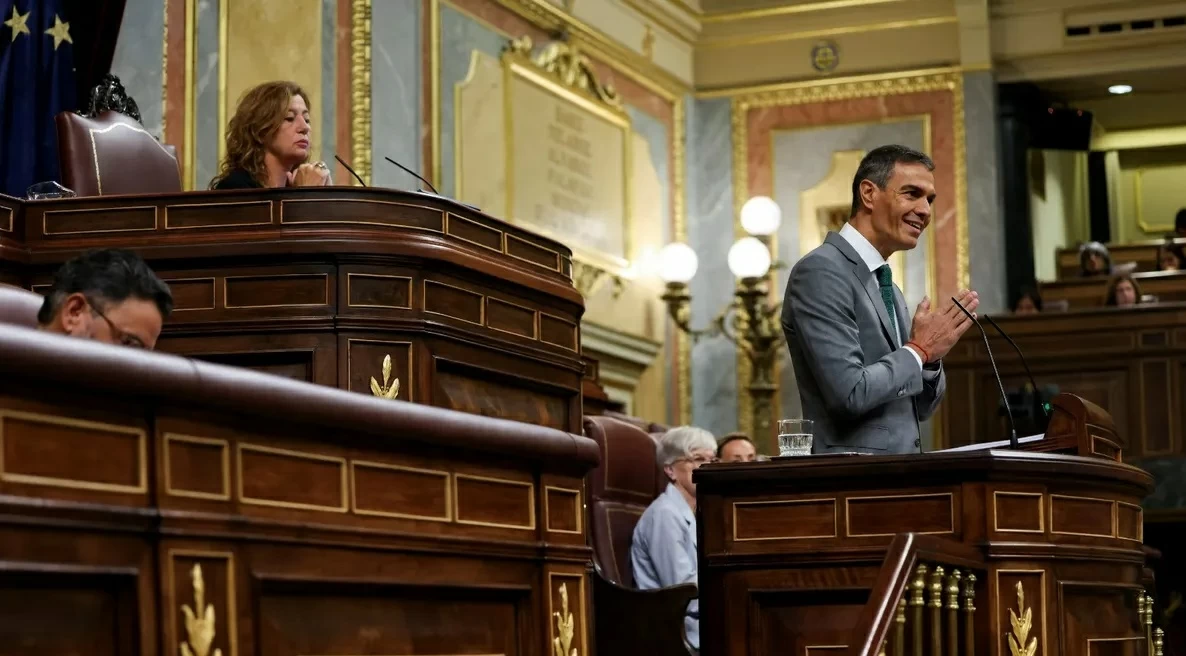
أكد رئيس الوزراء الإسباني بيدرو سانشيز، اليوم (الخميس)، أن بلاده لم تجد أي دليل يثبت أن موجة العبور الحدودي من المغرب إلى جيب سبتة في يوليو الماضي جرى تدبيرها أو تنفيذها من قبل السلطات المغربية.
وقال سانشيز لمجلس النواب الإسباني: «يمكنني أن أؤكد لكم أنه لم تقدم أي مؤسسة، سواء الجهاز الدبلوماسي أو المفوضية الأوروبية أو أي هيئة دولية، للحكومة الإسبانية أي دليل قاطع على أن المغرب خطط للحادث أو نفذه، ولا يوجد أي دليل على الإطلاق»، مشيراً إلى أن قوات الدرك المغربية «سمحت بحدوث عمليات عبور خلال فترة حاسمة امتدت 10 ساعات في 30 يوليو وهي الفترة التي بلغت فيها أعداد المهاجرين الوافدين ذروتها».
لكن مسؤولاً مغربياً نفى أن تكون السلطات قد سمحت بعمليات العبور، بحسب وسائل إعلام إسبانية.
ودافع سانشيز عن أداء قوات إنفاذ القانون خلال أزمة سبتة، مبيناً أن وسائل التواصل الاجتماعي أسهمت في تحفيز موجة الوصول الجماعي للمهاجرين بصورة غير نظامية خلال الصيف.
ولفت إلى أن رسائل تشجع الناس على عبور الحدود إلى إسبانيا ملأت منصات التواصل الاجتماعي في الفترة التي سبقت أحداث يوليو، موضحاً أن أجهزة الاستخبارات الإسبانية تستبعد حتى الآن وقوف دول مثل المغرب وروسيا وإسرائيل وراء منشورات تحرض على عبور المهاجرين.
وكان تقرير للشرطة الإسبانية خلص هذا الأسبوع إلى أن الدخول الجماعي إلى سبتة لم يكن حدثاً عفوياً ناجماً عن الهجرة، بل عملية مخططة ونُفذت على مراحل بهدف إرباك الرقابة الحدودية واستنزاف قدرتها على السيطرة.
واندلعت الأزمة يومي 29 و30 يوليو الماضي، بعدما تمكّن أكثر من 70 ألف مهاجر من دخول جيب سبتة الذي تديره إسبانيا شمالي المغرب، فيما أودت محاولة العبور بحياة 96 شخصاً على الأقل، بحسب السلطات الإسبانية.
Spanish Prime Minister Pedro Sánchez confirmed today (Thursday) that his country found no evidence proving that the wave of border crossings from Morocco to the enclave of Ceuta last July was orchestrated or executed by Moroccan authorities.
Sánchez told the Spanish Parliament: “I can assure you that no institution, whether the diplomatic corps, the European Commission, or any international body, has provided the Spanish government with any conclusive evidence that Morocco planned or executed the incident, and there is absolutely no evidence at all,” pointing out that Moroccan gendarmerie forces “allowed crossings to occur during a critical period that lasted 10 hours on July 30, which was when the number of incoming migrants peaked.”
However, a Moroccan official denied that the authorities allowed the crossings, according to Spanish media.
Sánchez defended the performance of law enforcement during the Ceuta crisis, stating that social media contributed to stimulating the wave of irregular mass arrivals of migrants during the summer.
He noted that messages encouraging people to cross the border into Spain filled social media platforms in the period leading up to the events of July, explaining that Spanish intelligence agencies currently rule out the involvement of countries like Morocco, Russia, and Israel behind posts inciting migrant crossings.
A report by the Spanish police concluded this week that the mass entry into Ceuta was not an accidental event resulting from migration, but rather a planned operation executed in phases aimed at confusing border control and exhausting its capacity to manage.
The crisis erupted on July 29 and 30, when more than 70,000 migrants managed to enter the Spanish-administered enclave of Ceuta in northern Morocco, while the attempt to cross resulted in the deaths of at least 96 people, according to Spanish authorities.