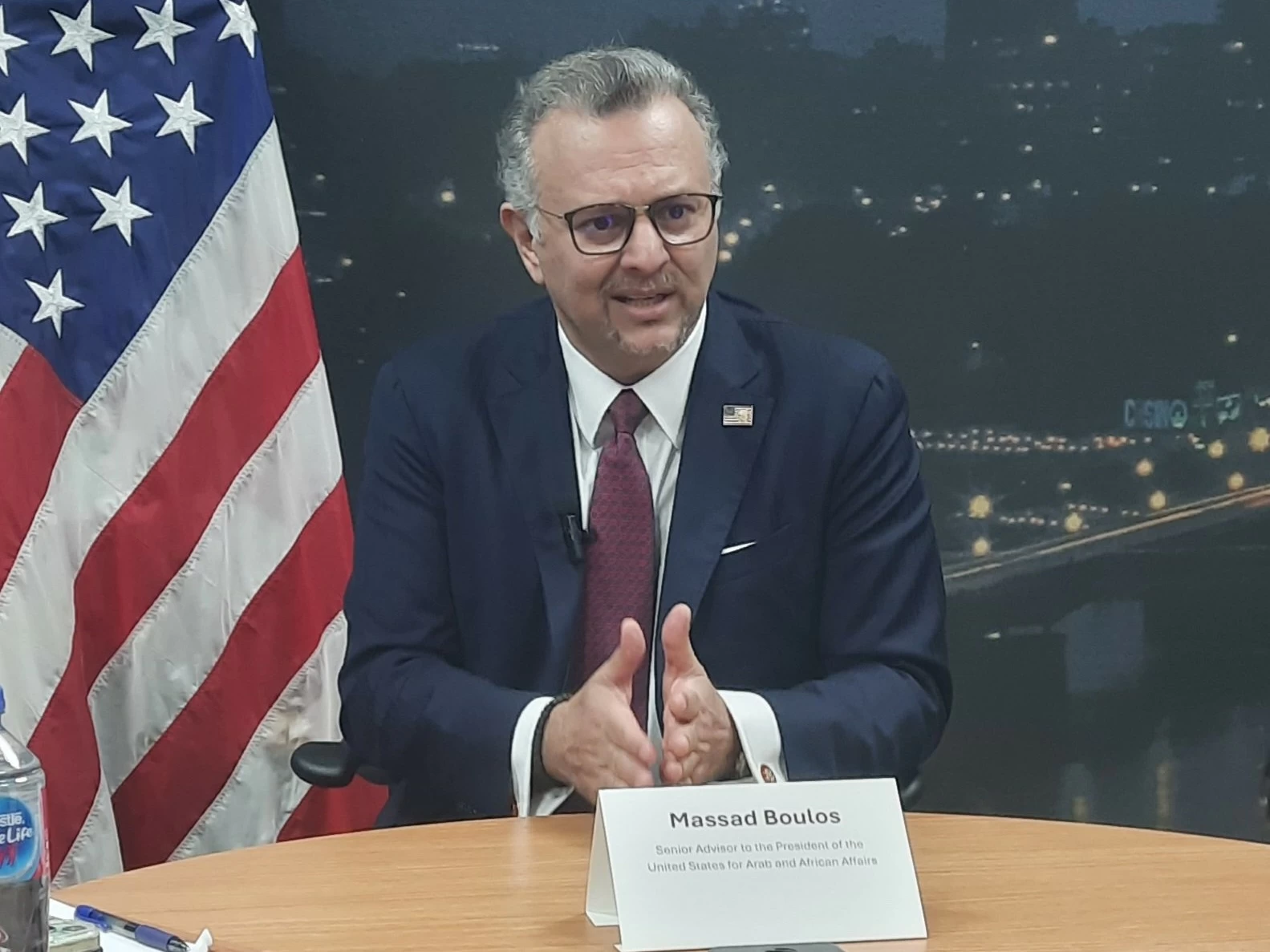
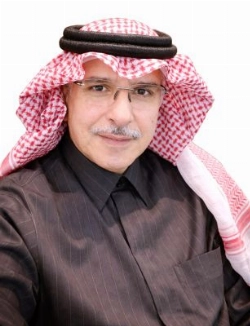
دعا مستشار الرئيس الأمريكي للشؤون العربية والأفريقية مسعد بولس مجلس الأمن الدولي إلى اتخاذ إجراءات لوقف الدعم المالي والعسكري الخارجي لأطراف الحرب في السودان، بما في ذلك الطائرات المسيّرة والتقنيات ذات الصلة، ومنع دخولها إلى البلاد.
وقال بولس في تغريدة على «إكس»، اليوم (الثلاثاء)، إن حظر الأسلحة المنصوص عليه في قرار مجلس الأمن رقم 1591 والنظام العقابي يجب أن يعكسا واقع النزاع اليوم، ويحرما الأطراف من الموارد اللازمة لاستمرار هذه الحرب، مؤكداً أنه لا يوجد حل عسكري للنزاع.
وأضاف: «يجب على جميع الجهات العمل لدعم حوار مستقل وشفاف بقيادة المدنيين، ليضع الأساس للسلام الدائم والحكم المدني».
وفي إحاطتها أمام اجتماع لمجلس الأمن لمناقشة الوضع في السودان، حذّرت وكيلة الأمين العام للأمم المتحدة للشؤون السياسية وبناء السلام روزماري ديكارلو من أن عواقب الصراع في السودان ستكون طويلة الأمد، وينبغي أن تثير صدمتنا جميعاً. وأشارت إلى احتدام المعارك على جبهات متعددة في أنحاء البلاد، واستمرار النزاع في التصاعد، وتفاقم المعاناة.
وأكدت أن نحو 13 مليون شخص فروا من منازلهم، بمن فيهم نحو 8.7 مليون نازح داخلياً في جميع الولايات الثماني عشرة، وأن مفوضية الأمم المتحدة السامية لحقوق الإنسان وثّقت مقتل نحو 1,400 مدني في الفترة ما بين شهري يناير ويونيو من هذا العام، بمن فيهم 1,100 شخص قُتلوا جراء هجمات بطائرات مسيرة.
وأضافت أن القتال في السودان اتسم خلال الأسابيع الأخيرة بالاستخدام المكثف للطائرات المسيرة والاشتباكات البرية المحدودة في المناطق الأقل تأثراً بظروف موسم الأمطار، إذ تركّزت الأعمال العدائية في ولايات شمال كردفان، وغرب دارفور، وشمال دارفور، والنيل الأزرق. وقالت إن القتال الدائر بالقرب من الحدود بين السودان وإثيوبيا في ولاية النيل الأزرق يثير قلقاً بالغاً.
The U.S. President's Advisor for Arab and African Affairs, Musaad Boulos, called on the United Nations Security Council to take action to stop external financial and military support for the warring parties in Sudan, including drones and related technologies, and to prevent their entry into the country.
Boulos stated in a tweet on "X" today (Tuesday) that the arms embargo stipulated in Security Council Resolution 1591 and the punitive regime must reflect the reality of the conflict today and deprive the parties of the resources necessary to continue this war, emphasizing that there is no military solution to the conflict.
He added, "All parties must work to support an independent and transparent dialogue led by civilians to lay the foundation for lasting peace and civilian governance."
In her briefing before a Security Council meeting to discuss the situation in Sudan, UN Under-Secretary-General for Political Affairs and Peacebuilding Rosemary DiCarlo warned that the consequences of the conflict in Sudan would be long-lasting and should shock us all. She pointed to the intensification of battles on multiple fronts across the country, the continued escalation of the conflict, and the worsening suffering.
She confirmed that around 13 million people have fled their homes, including about 8.7 million internally displaced persons across all eighteen states, and that the UN High Commissioner for Human Rights documented the killing of approximately 1,400 civilians between January and June of this year, including 1,100 people killed as a result of drone attacks.
She added that fighting in Sudan has been characterized in recent weeks by the intensive use of drones and limited ground clashes in areas less affected by the rainy season conditions, with hostilities concentrated in North Kordofan, West Darfur, North Darfur, and Blue Nile states. She stated that the ongoing fighting near the border between Sudan and Ethiopia in Blue Nile state raises serious concerns.