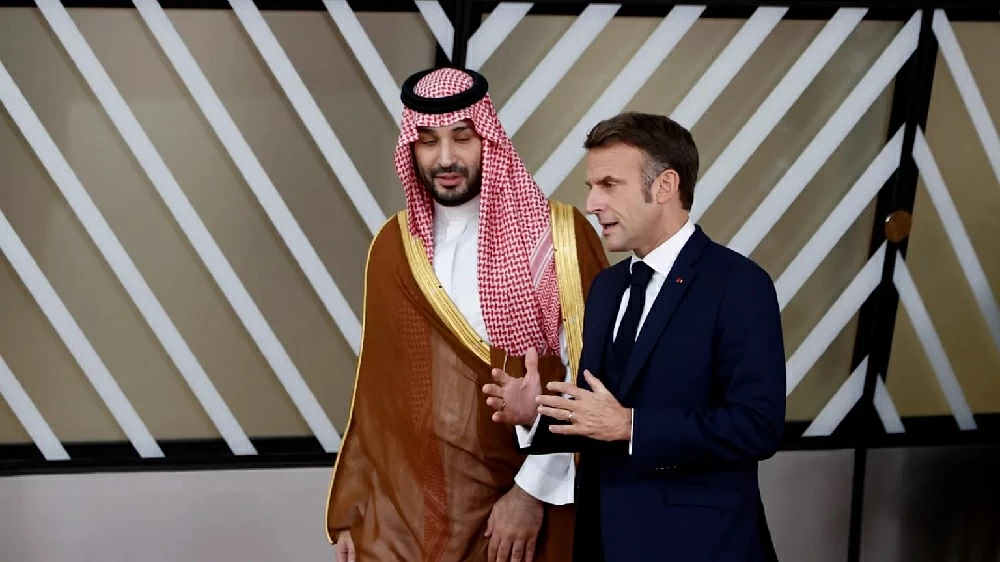
أكد محللون وخبراء سياسيون لـ«عكاظ» أن زيارة ولي العهد رئيس مجلس الوزراء الأمير محمد بن سلمان إلى فرنسا تشكِّل محطة مفصلية في مسار العلاقات بين البلدين، وتنقل الشراكة الثنائية إلى مرحلة أكثر مؤسسية، بما يعزز التنسيق السياسي والدفاعي ويفتح آفاقًا واسعة للتعاون في الطاقة والتقنيات المتقدمة.
وأشاروا إلى أن أهمية الزيارة تتجاوز تعزيز العلاقات الثنائية؛ لتشمل تنسيق المواقف تجاه التطورات الإقليمية والدولية، وأمن الملاحة، وأسواق الطاقة، وأزمات الشرق الأوسط، بما يدعم الحلول السياسية ويعزز الاستقرار في المنطقة.
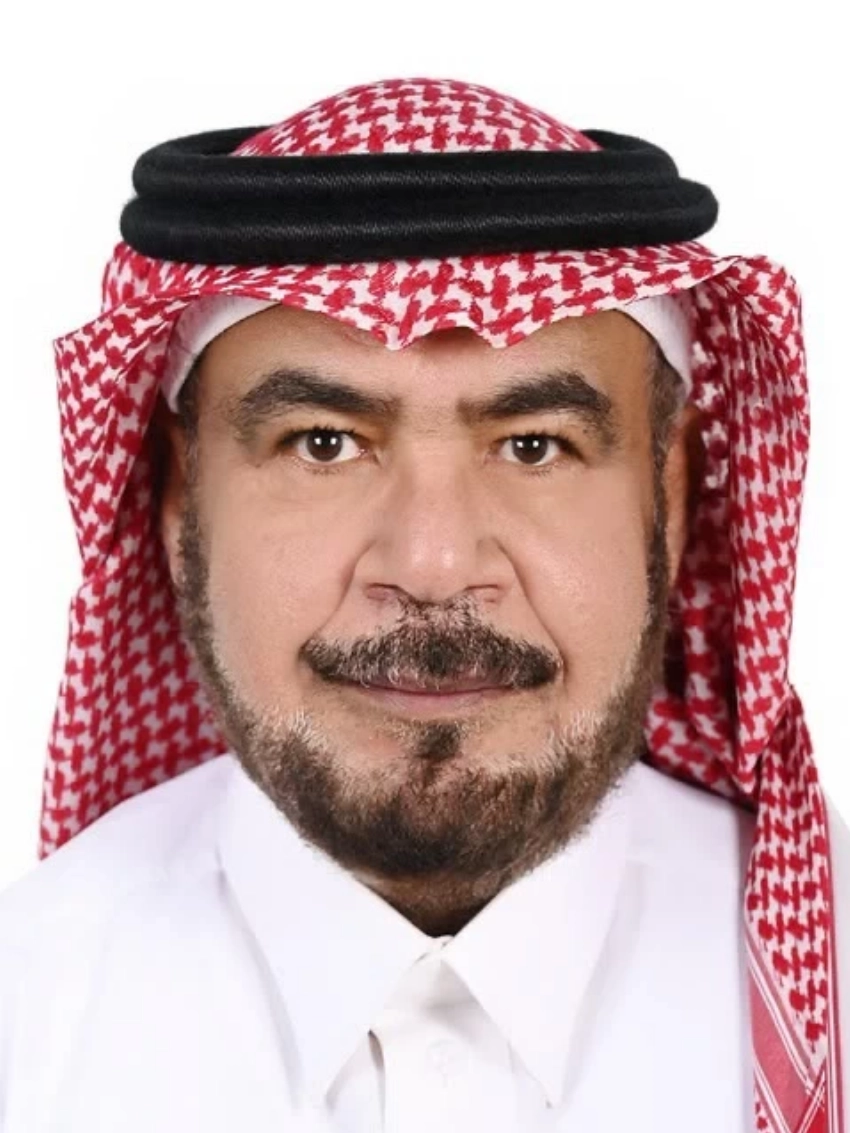
محمد الحربي
إطار مؤسسي للشراكة
يرى المحلل الإستراتيجي الدكتور محمد بن صالح الحربي أن الزيارة أعادت صياغة الشراكة السعودية‑الفرنسية ضمن إطار إستراتيجي أكثر اتساعًا ومؤسسية، مؤكدًا أنها تجاوزت البُعد البروتوكولي نحو رسائل واضحة تعكس انتقال العلاقات إلى مستوى جديد من التنسيق السياسي والاقتصادي والدفاعي.
وأوضح أن تفعيل مجلس الشراكة الإستراتيجية السعودي‑الفرنسي يمثل أحد أبرز مخرجات الزيارة، بوصفه آلية دائمة لمتابعة المشاريع المشتركة وتسريع تنفيذ الاتفاقيات، إلى جانب تنسيق المواقف ودفع التعاون في الدفاع والطاقة والثقافة والتقنيات المتقدمة، بما يحول الشراكة إلى نتائج ملموسة.
وأضاف أن الزيارة فتحت آفاقًا واسعة للتعاون الدفاعي والتقني، خصوصًا في الصناعات العسكرية والأمن السيبراني والذكاء الاصطناعي، بما ينسجم مع توجه المملكة لبناء قدرات وطنية متقدمة ضمن مستهدفات رؤية 2030، فضلًا عن فرص جديدة في الطاقة النظيفة والهيدروجين والاستثمارات المتبادلة والمشاريع الثقافية والسياحية.
وأكد الحربي أن الزيارة حملت بعدًا سياسيًا مهمًا من خلال تعزيز التنسيق تجاه ملفات إقليمية حساسة؛ وفي مقدمتها أمن البحر الأحمر والخليج، والملف الإيراني، واستقرار لبنان، معتبرًا أنها رسخت مكانة المملكة كقوة دولية صاعدة وشريك موثوق في دعم الاستقرار الإقليمي.
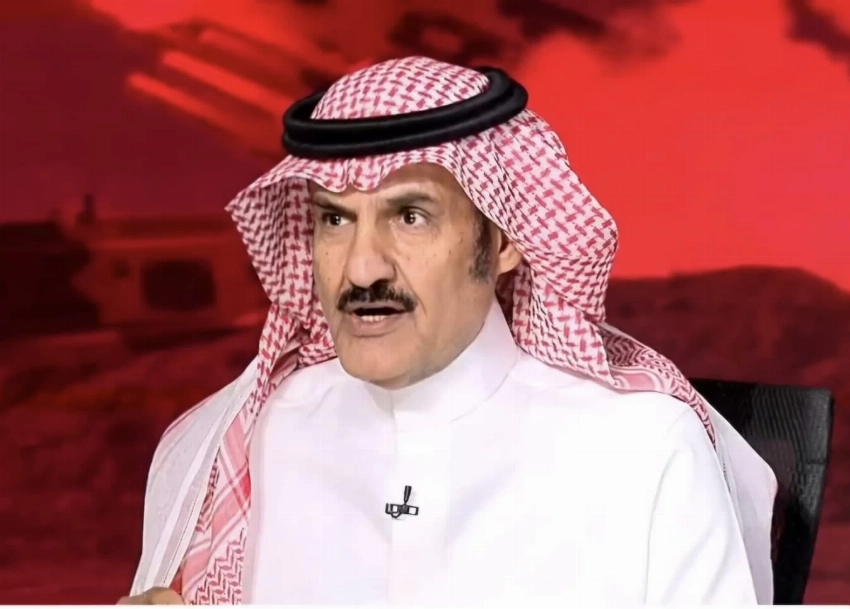
مبارك آل عاتي
تنسيق تجاه أزمات المنطقة
من جانبه، أوضح الكاتب السياسي مبارك آل عاتي أن العلاقات السعودية‑الفرنسية، منذ تأسيسها عام 1932، اتسمت بالوضوح والندية والتعاون، مشيرًا إلى أن الزيارة تكتسب أهمية استثنائية في ظل التوترات المتصاعدة على خلفية الحرب بين الولايات المتحدة وإيران، وما نتج عنها من تهديدات للملاحة عبر مضيق هرمز وضغوط على أسواق الطاقة.
وقال إن المصالح السعودية والفرنسية تتقاطع عند ضرورة الحفاظ على قنوات الحوار والتنسيق؛ فالسعودية ترتبط مباشرة بأمن الخليج واستقرار الطاقة، فيما تسعى فرنسا إلى تعزيز دورها كقوة أوروبية فاعلة قادرة على التواصل مع شركائها الخليجيين.
وبيّن آل عاتي أن الزيارة يمكن قراءتها على مستويين متوازيين: الأول تعميق الشراكة الثنائية وتوسيع مجالاتها الاقتصادية والثقافية والدفاعية، والثاني تعزيز التنسيق السياسي في مرحلة تشهد إعادة رسم التوازنات الإقليمية، مؤكدًا أن الحوار بين الرياض وباريس بات جزءًا من شبكة أوسع من الاتصالات المرتبطة بأمن المنطقة ومستقبلها.
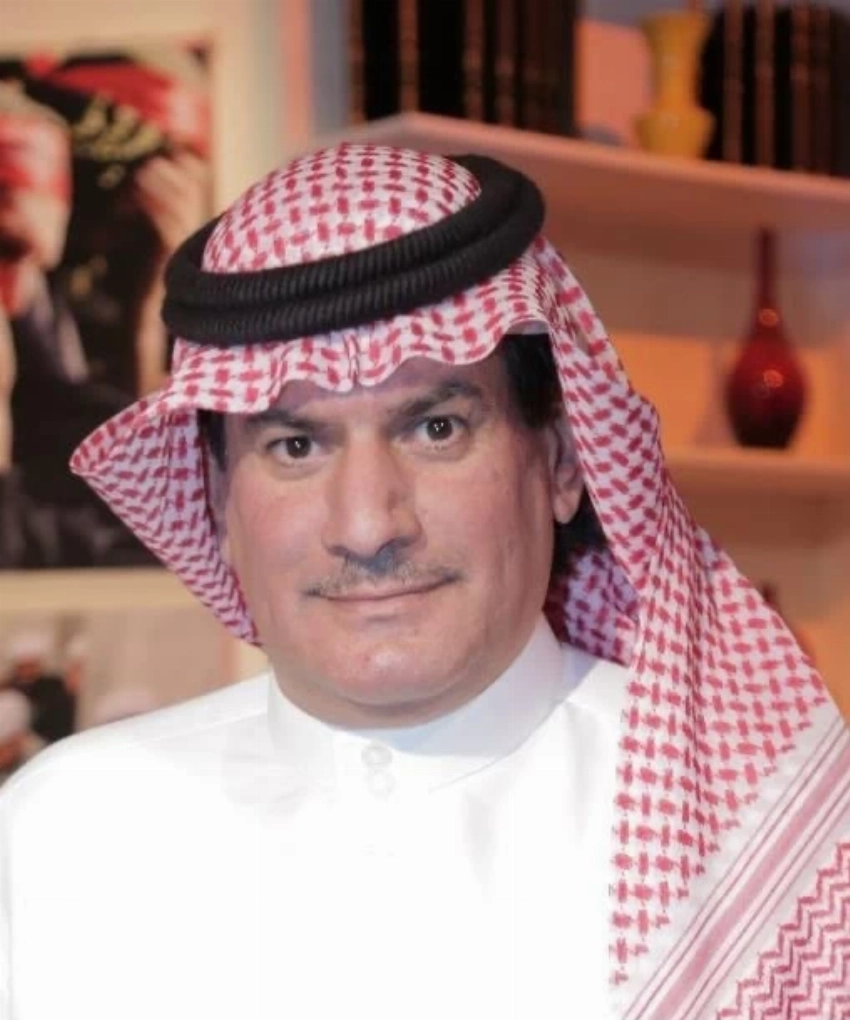
حمود الرويس
شراكة دفاعية متقدمة
بدوره، وصف المحلل السياسي الدكتور حمود الرويس الزيارة بأنها «زيارة دولة»، وهي أعلى درجات الزيارات بروتوكوليًا، معتبرًا أنها محطة لإعادة تثبيت الشراكة السعودية‑الفرنسية على مستوى إستراتيجي أوسع، خصوصًا في ظل الظروف الإقليمية والدولية الحساسة.
وأوضح أن البعد السياسي والإستراتيجي يشكل أحد أبرز محاور الزيارة، إذ لا تنظر الرياض وباريس إلى العلاقة باعتبارها تعاونًا اقتصاديًا فحسب، بل شراكة سياسية مؤثرة في ملفات المنطقة، مشيرًا إلى أن دعم البلدين لحل الدولتين في فلسطين يعكس عمق العلاقة.
وفي الجانب الدفاعي، أكد الرويس أن التعاون بين البلدين يتجه للانتقال من إطار صفقات السلاح إلى شراكة أوسع في الأمن والدفاع والتصنيع، لافتًا إلى أن فرنسا، بما تمتلكه من قدرات عسكرية وصناعات دفاعية متقدمة وعضوية دائمة في مجلس الأمن، تمثل شريكًا مهمًا للمملكة ضمن توجهها لتنويع مصادر الشراكات الدفاعية.
وأشار إلى أن العلاقات الاقتصادية بين البلدين تتطور نحو نموذج جديد يقوم على الاستثمار والتقنيات المتقدمة والمشاريع الكبرى والصناعات المستقبلية، بما يتوافق مع مستهدفات رؤية 2030 في التكنولوجيا والطاقة والسياحة والثقافة والبنية التحتية.
واختتم الرويس بأن الطابع المؤسسي أصبح سمة رئيسية للعلاقات السعودية‑الفرنسية، في ظل خارطة الطريق للشراكة الإستراتيجية ومجلس الشراكة الإستراتيجية، مؤكدًا أن الزيارة جاءت لتفعيل هذه الأطر وتحويل التفاهمات السياسية إلى منظومة تعاون طويلة الأجل.
Analysts and political experts confirmed to "Okaz" that Crown Prince and Prime Minister Mohammed bin Salman’s visit to France represents a pivotal moment in the course of relations between the two countries, elevating the bilateral partnership to a more institutional phase, thereby enhancing political and defense coordination and opening wide avenues for cooperation in energy and advanced technologies.
They noted that the importance of the visit goes beyond strengthening bilateral relations; it includes coordinating positions regarding regional and international developments, maritime security, energy markets, and Middle Eastern crises, which supports political solutions and enhances stability in the region.
محمد الحربي
An Institutional Framework for Partnership
Strategic analyst Dr. Mohammed bin Saleh Al-Harbi believes that the visit has reshaped the Saudi-French partnership within a broader and more institutional strategic framework, emphasizing that it has moved beyond the protocol dimension towards clear messages that reflect the transition of relations to a new level of political, economic, and defense coordination.
He explained that activating the Saudi-French Strategic Partnership Council represents one of the most prominent outcomes of the visit, as it serves as a permanent mechanism for monitoring joint projects and accelerating the implementation of agreements, in addition to coordinating positions and promoting cooperation in defense, energy, culture, and advanced technologies, transforming the partnership into tangible results.
He added that the visit opened wide horizons for defense and technical cooperation, particularly in military industries, cybersecurity, and artificial intelligence, aligning with the Kingdom's goal of building advanced national capabilities within the targets of Vision 2030, as well as new opportunities in clean energy, hydrogen, mutual investments, and cultural and tourism projects.
Al-Harbi emphasized that the visit carried an important political dimension by enhancing coordination on sensitive regional files; foremost among them are the security of the Red Sea and the Gulf, the Iranian file, and the stability of Lebanon, considering it has solidified the Kingdom's position as an emerging international power and a reliable partner in supporting regional stability.
مبارك آل عاتي
Coordination on Regional Crises
For his part, political writer Mubarak Al-Aati clarified that Saudi-French relations, since their establishment in 1932, have been characterized by clarity, parity, and cooperation, noting that the visit gains exceptional importance in light of the escalating tensions stemming from the war between the United States and Iran, and the resulting threats to navigation through the Strait of Hormuz and pressures on energy markets.
He stated that Saudi and French interests intersect at the necessity of maintaining channels of dialogue and coordination; Saudi Arabia is directly linked to Gulf security and energy stability, while France seeks to enhance its role as an effective European power capable of communicating with its Gulf partners.
Al-Aati pointed out that the visit can be interpreted on two parallel levels: the first is deepening the bilateral partnership and expanding its economic, cultural, and defense fields, and the second is enhancing political coordination at a time witnessing a re-drawing of regional balances, emphasizing that the dialogue between Riyadh and Paris has become part of a broader network of communications related to the region's security and future.
حمود الرويس
Advanced Defense Partnership
For his part, political analyst Dr. Hamoud Al-Ruwais described the visit as a "state visit," which is the highest level of visits protocol-wise, considering it a station to reaffirm the Saudi-French partnership at a broader strategic level, especially in light of the sensitive regional and international circumstances.
He explained that the political and strategic dimension constitutes one of the most prominent axes of the visit, as Riyadh and Paris do not view the relationship merely as economic cooperation, but as a political partnership influential in regional files, pointing out that the two countries' support for the two-state solution in Palestine reflects the depth of the relationship.
On the defense side, Al-Ruwais confirmed that cooperation between the two countries is moving from the framework of arms deals to a broader partnership in security, defense, and manufacturing, noting that France, with its advanced military capabilities and defense industries and its permanent membership in the Security Council, represents an important partner for the Kingdom in its direction to diversify sources of defense partnerships.
He pointed out that economic relations between the two countries are evolving towards a new model based on investment, advanced technologies, major projects, and future industries, aligning with the targets of Vision 2030 in technology, energy, tourism, culture, and infrastructure.
Al-Ruwais concluded that the institutional character has become a main feature of Saudi-French relations, in light of the roadmap for the strategic partnership and the Strategic Partnership Council, emphasizing that the visit came to activate these frameworks and transform political understandings into a long-term cooperation system.