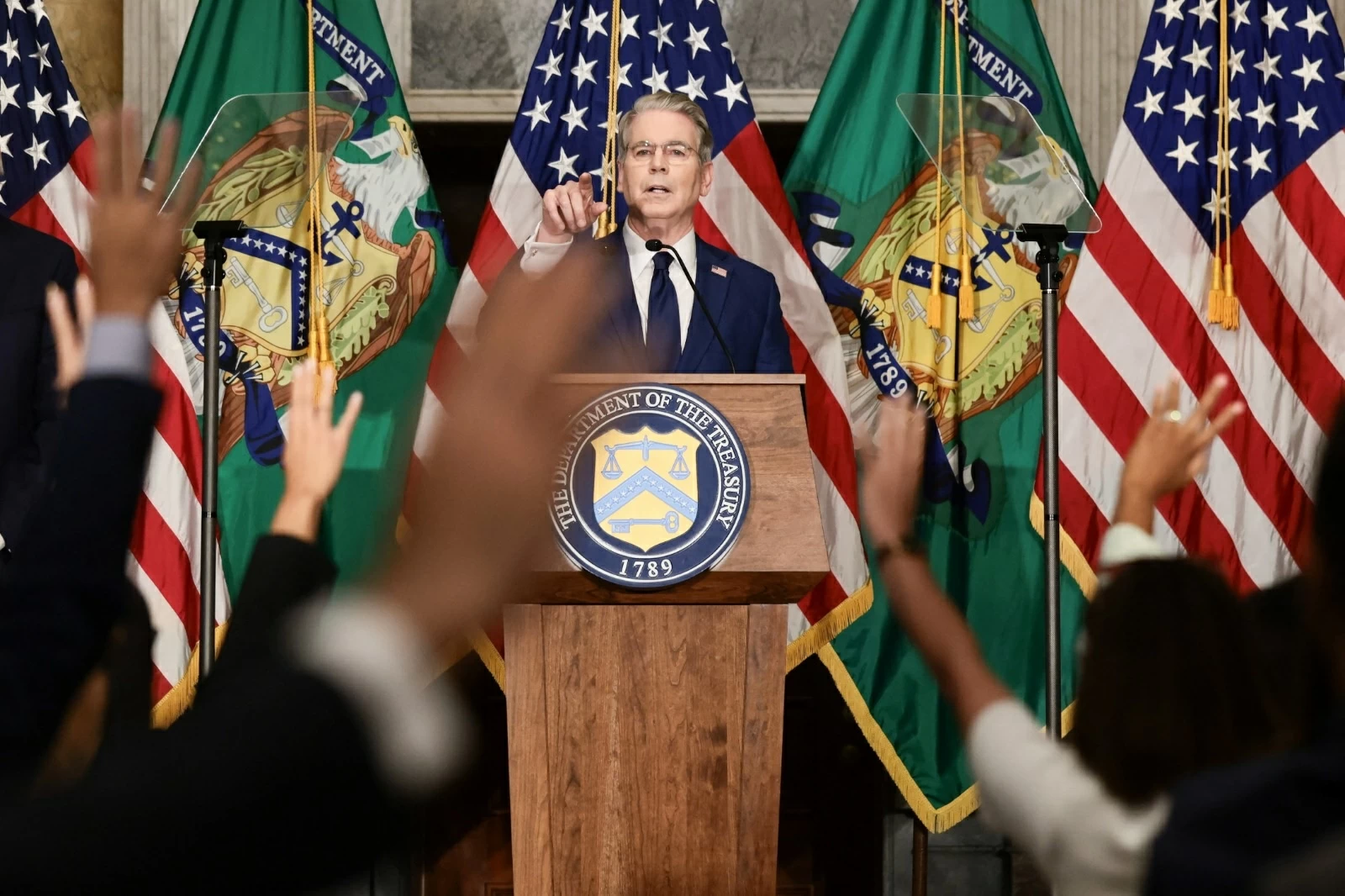
مع انهيار مذكرة التفاهم وتزايد الهجمات الإيرانية في مضيق هرمز، رأى الرئيس الأمريكي دونالد ترمب أنه حان الوقت لتوجيه ضربة قاضية لاقتصاد إيران، عبر تقويض قدرتها على تصدير النفط والوصول للنظام المالي العالمي.
أزمة احتجاز الرهائن الأمريكيين
وأفادت تقارير غربية بأن العقوبات الأمريكية الواسعة على طهران بدأت عقب أزمة احتجاز الرهائن بالسفارة الأمريكية في طهران عام 1979، عندما جُمّدت أصول للحكومة الإيرانية داخل الولايات المتحدة، قبل أن تُرفع قيود مرتبطة بالأزمة بعد الإفراج عن الرهائن.
وربطت واشنطن في العقود التالية توسيع عقوباتها بملفات متعددة، منها اتهام إيران بدعم جماعات تصنفها الولايات المتحدة إرهابية، وبرنامجها الصاروخي، ثم برنامجها النووي ونفوذها الإقليمي.
وفي منتصف التسعينات، انتقل الاستهداف بوضوح إلى قطاع الطاقة؛ ففُرض حظر أمريكي أوسع على التجارة والاستثمار، ثم صدر قانون العقوبات على إيران وليبيا المعروف باسم قانون داماتو عام 1996، مستهدفاً الاستثمارات الأجنبية في قطاعي النفط والغاز الإيرانيين.
البرنامج النووي والعزل المالي
ومع تصاعد الخلافات حول برنامج إيران النووي، دخلت الأمم المتحدة على خط العقوبات ابتداءً من عام 2006 عبر قرارات لمجلس الأمن، قبل أن تتوسع الإجراءات الأمريكية والأوروبية لتشمل شركات وقطاعات مالية وصناعية ونفطية.
وكان القطاع المصرفي في صميم هذه المرحلة؛ إذ استهدفت العقوبات بنوكاً إيرانية والبنك المركزي، وأضعفت قدرة طهران على إجراء التحويلات والتعاملات عبر الحدود.
وبرزت هنا شبكة سويفت، وهي نظام مراسلات تستخدمه المصارف لتبادل أوامر الدفع؛ ما جعل الوصول إليها مسألة حيوية للتجارة والتمويل، وليس مجرد إجراء تقني.
وأكدت وزارة الخزانة أن برامج العقوبات قد تكون شاملة أو انتقائية، وتشمل تجميد الأصول وقيود التجارة لتحقيق أهداف تتصل بالسياسة الخارجية والأمن القومي.
العقوبات الثانوية والانسحاب الأمريكي
وفي العام 2015 وقعت إيران والقوى الكبرى الاتفاق النووي الذي ربط تخفيف العقوبات بقيود ورقابة على البرنامج النووي. لكن رفع العقوبات ذات الصلة لم يبدأ عملياً عند التوقيع، بل في يوم التنفيذ بتاريخ 16 يناير 2016، بعد تحقق الوكالة الدولية للطاقة الذرية من خطوات إيرانية محددة.
وفي مايو 2018، انسحبت إدارة الرئيس الأمريكي دونالد ترمب من الاتفاق من جانب واحد، وأعادت فرض عقوبات واسعة، لتدخل إيران مجدداً مرحلة ضغط مالي ونفطي أكثر حدة.
ولم تقتصر الإستراتيجية الأمريكية على التعاملات المباشرة مع إيران، إذ تقوم العقوبات الثانوية على تهديد شركات ومصارف وأطراف من دول أخرى بعقوبات أو بمنعها من الوصول إلى النظام المالي الأمريكي إذا تعاملت مع جهات إيرانية خاضعة للعقوبات.
وامتد أثر العقوبات إلى شركات الشحن والوساطة والتأمين والتجارة ومكاتب الواجهة والتحويلات المالية. ولم يعد السؤال: ما الذي تستطيع إيران بيعه أو شراؤه؟ بل: من يجرؤ على التعامل معها، وبأي وسيلة؟
شبكة معقّدة للالتفاف على القيود
مع استهداف صادرات النفط، برزت شبكات معقدة للالتفاف على القيود، تشمل تغيير ملكية السفن أو أسمائها وأعلامها، وإيقاف أو التلاعب بإشارات التتبع، ونقل الشحنات بين السفن في البحر، إلى جانب شركات وسيطة ووثائق تجارية مضللة. ويُطلق على جزء من هذه الشبكات تسمية أسطول الظل أو الناقلات الشبحية.
وتحولت طبيعة العقوبات من قرارات استهداف مسمّى إلى مواجهة مستمرة مع شبكة دولية من الوسطاء والموانئ وشركات الشحن. وتُظهر مسيرة القيود أن الفاعلية تتوقف على قدرة الإنفاذ وملاحقة مسارات الالتفاف، لا على حجم القرارات الصادرة.
هذه القيود تركت آثاراً تتجاوز القطاع النفطي لتطال السعر والعملة والتضخم وتكاليف المعيشة داخل إيران. وفيما تراهن واشنطن على تقييد خيارات طهران المالية، تسعى إيران إلى توسيع منافذ بديلة.
With the collapse of the memorandum of understanding and the increase in Iranian attacks in the Strait of Hormuz, U.S. President Donald Trump saw that it was time to deliver a decisive blow to Iran's economy by undermining its ability to export oil and access the global financial system.
The Crisis of American Hostages
Western reports indicated that extensive U.S. sanctions on Tehran began following the hostage crisis at the American embassy in Tehran in 1979, when Iranian government assets were frozen within the United States, before restrictions related to the crisis were lifted after the hostages were released.
In the following decades, Washington linked the expansion of its sanctions to multiple issues, including accusations of Iran supporting groups classified as terrorist by the United States, its missile program, then its nuclear program and regional influence.
In the mid-1990s, the targeting clearly shifted to the energy sector; a broader U.S. ban on trade and investment was imposed, followed by the issuance of the Iran and Libya Sanctions Act, known as the D'Amato Act, in 1996, targeting foreign investments in the Iranian oil and gas sectors.
The Nuclear Program and Financial Isolation
As disputes over Iran's nuclear program escalated, the United Nations entered the sanctions arena starting in 2006 through Security Council resolutions, before U.S. and European measures expanded to include companies and financial, industrial, and oil sectors.
The banking sector was at the heart of this phase; sanctions targeted Iranian banks and the central bank, weakening Tehran's ability to conduct cross-border transfers and transactions.
Here, the SWIFT network emerged, which is a messaging system used by banks to exchange payment orders; this made access to it a vital issue for trade and finance, not just a technical procedure.
The Treasury Department confirmed that sanctions programs can be comprehensive or selective, including asset freezes and trade restrictions to achieve foreign policy and national security objectives.
Secondary Sanctions and U.S. Withdrawal
In 2015, Iran and the major powers signed the nuclear agreement that linked the easing of sanctions to restrictions and oversight on the nuclear program. However, the lifting of related sanctions did not practically begin at the signing but on the implementation date of January 16, 2016, after the International Atomic Energy Agency verified specific Iranian steps.
In May 2018, the administration of U.S. President Donald Trump unilaterally withdrew from the agreement and reimposed extensive sanctions, leading Iran back into a phase of more severe financial and oil pressure.
The U.S. strategy was not limited to direct dealings with Iran; secondary sanctions threaten companies, banks, and entities from other countries with sanctions or prevent them from accessing the U.S. financial system if they deal with sanctioned Iranian entities.
The impact of the sanctions extended to shipping, brokerage, insurance, trade, front companies, and financial transfers. The question was no longer: What can Iran sell or buy? But rather: Who dares to deal with it, and by what means?
A Complex Network to Circumvent Restrictions
With the targeting of oil exports, complex networks emerged to circumvent restrictions, including changing the ownership of ships or their names and flags, stopping or manipulating tracking signals, transferring shipments between ships at sea, alongside intermediary companies and misleading commercial documents. Part of these networks is referred to as the shadow fleet or ghost tankers.
The nature of the sanctions transformed from targeted decisions to an ongoing confrontation with an international network of intermediaries, ports, and shipping companies. The trajectory of the restrictions shows that effectiveness depends on the ability to enforce and track circumvention paths, not on the volume of issued decisions.
These restrictions have left impacts that extend beyond the oil sector to affect prices, currency, inflation, and the cost of living within Iran. While Washington bets on constraining Tehran's financial options, Iran seeks to expand alternative outlets.