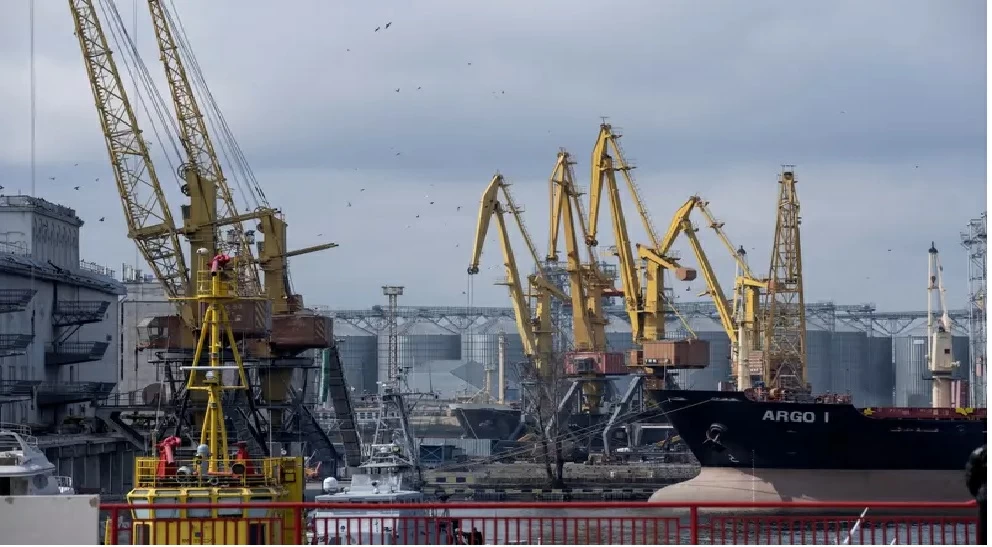
صعّدت روسيا هجماتها على البنية التحتية الاقتصادية في أوكرانيا، وأعلنت وزارة الدفاع الروسية، اليوم (الإثنين)، تنفيذ ضربات واسعة استهدفت موانئ في منطقة أوديسا وسفناً تُستخدم في نقل إمدادات للقوات الأوكرانية.
تدمير 10 مستودعات للمعدات العسكرية
وأضافت أن قواتها استخدمت أسلحة جوية عالية الدقة وطائرات مسيرة لمهاجمة الموانئ الأوكرانية، موضحة أن الضربات استهدفت ميناء بيفديني في منطقة أوديسا، ما أسفر عن إصابة سفينة كانت تحمل وقوداً ومواد تشحيم مخصصة للقوات الأوكرانية.
وأسفرت الضربات وفق موسكو عن تدمير 10 مستودعات للمعدات العسكرية في المنطقة اللوجستية للميناء، إلى جانب منشآت للبنية التحتية تُستخدم لتفريغ وتخزين شحنات عسكرية.
محطة كهرباء تغذي الميناء
وامتدت الضربات الروسية إلى البنية التحتية للطاقة المرتبطة بالميناء، وأكدت وزارة الدفاع أنها استهدفت محطة «بي إس-330 أدجاليك» الكهربائية الفرعية، الواقعة على بعد نحو 28 كيلومتراً شمال غربي أوديسا، التي تزود ميناء بيفديني بالطاقة.
في المقابل، قال حاكم منطقة أوديسا أوليغ كيبر إن منشآت للبنية التحتية للطاقة في المنطقة تعرضت لضربات خلال الليل، مضيفاً أن الهجمات تسببت في اندلاع حرائق في عدد من المواقع.
وتأتي الضربات الجديدة في سياق تصعيد متواصل حول الموانئ الأوكرانية المطلة على البحر الأسود، التي تُمثّل شرياناً رئيسياً للصادرات الزراعية الأوكرانية، فيما كانت روسيا كثفت خلال الأسابيع الماضية هجماتها على منشآت موانئ أوديسا، بينما قالت كييف إن تلك الهجمات تهدد قدرتها على تصدير الحبوب والسلع عبر البحر الأسود.
ويُمثّل ميناء أوديسا شرياناً اقتصادياً رئيسياً لأوكرانيا وأحد أكبر موانئها على البحر الأسود، إذ تمر عبره نسبة كبيرة من التجارة البحرية للبلاد، فيما تصل طاقته الاستيعابية إلى نحو 40 مليون طن سنوياً، ما يجعله أحد المرافق الحيوية لكييف.
موانئ أوكرانيا.. جبهة ضغط
ويُنظر إلى الهجمات الروسية على موانئ أوكرانيا باعتبارها تُمثّل ضغطاً على أحد أهم مصادر دخل كييف، إذ تعتمد البلاد بدرجة كبيرة على ممراتها البحرية لتصدير المنتجات الزراعية.
وألحقت هجمات روسية سابقة أضراراً بميناء أوديسا، فيما قالت السلطات الأوكرانية إن منشآت الطاقة المرتبطة بالميناء تعرضت للقصف، ما تسبب في انقطاعات للكهرباء قبل إعادة التيار إلى عشرات الآلاف من المستهلكين.
واستهدفت روسيا الشهر الجاري ميناء إسماعيل على نهر الدانوب، وقالت كييف إن الهجوم ألحق أضراراً بالبنية التحتية للميناء وأدى إلى انقطاع الكهرباء في أجزاء من المنطقة. ويُعد ميناء إسماعيل أحد أهم المنافذ الأوكرانية لتصدير الحبوب والسلع عبر نهر الدانوب، كما يمثل مساراً رئيسياً لاستيراد الوقود إلى البلاد، في ظل تزايد الطلب عليه نتيجة اعتماد المنشآت التجارية والسكان بدرجة كبيرة على المولدات لتوفير الكهرباء خلال فترات الانقطاع الطويلة.
مساعدات أوروبية جديدة
بالتزامن مع هذه الضربات، وافقت المفوضية الأوروبية، اليوم (الإثنين)، على تقديم مساعدات مالية إضافية بقيمة 6.1 مليار يورو (7.12 مليار دولار) لأوكرانيا لشراء أنظمة دفاعية جديدة، تشمل أنظمة الدفاع الجوي والصواريخ والذخيرة وأجهزة الرادار.
وأفاد الاتحاد الأوروبي بأن هذه الحزمة من المساعدات تضاف إلى 16 مليار يورو من خطط الشراء المعتمدة سابقاً، التي تم صرف 8.35 مليار يورو منها بالفعل، فيما قالت رئيسة المفوضية الأوروبية أورسولا فون دير لاين في بيان إنه «مع تصعيد روسيا لهجماتها، فإننا نكثف جهودنا لمساعدة أوكرانيا على حماية شعبها والدفاع عن أجوائها. أوروبا تقف إلى جانب أوكرانيا وسنوفر لها ما تحتاج إليه».
وحذّر الرئيس الروسي فلاديمير بوتين، السبت الماضي، من أن أوكرانيا ستواجه رداً يستهدف القطاعات الأكثر حساسية في اقتصادها. وقال إن كييف من خلال هجماتها على أهداف اقتصادية روسية، «فتحت على نفسها أبواب الجحيم».
Russia has intensified its attacks on the economic infrastructure in Ukraine, and the Russian Ministry of Defense announced today (Monday) the execution of extensive strikes targeting ports in the Odesa region and ships used to transport supplies to Ukrainian forces.
Destruction of 10 military equipment warehouses
It added that its forces used high-precision aerial weapons and drones to attack Ukrainian ports, clarifying that the strikes targeted the Pivdennyi port in the Odesa region, resulting in damage to a ship carrying fuel and lubricants intended for Ukrainian forces.
According to Moscow, the strikes resulted in the destruction of 10 military equipment warehouses in the port's logistics area, along with infrastructure facilities used for unloading and storing military shipments.
Power station supplying the port
The Russian strikes extended to the energy infrastructure associated with the port, and the Ministry of Defense confirmed that it targeted the "PS-330 Adzhalyk" substation, located about 28 kilometers northwest of Odesa, which supplies power to the Pivdennyi port.
In contrast, the governor of the Odesa region, Oleg Kiper, stated that energy infrastructure facilities in the region were struck overnight, adding that the attacks caused fires at several locations.
The new strikes come amid a continued escalation around the Ukrainian ports on the Black Sea, which represent a major artery for Ukrainian agricultural exports, while Russia has intensified its attacks on Odesa port facilities in recent weeks, with Kyiv stating that these attacks threaten its ability to export grain and goods via the Black Sea.
The Odesa port represents a major economic artery for Ukraine and is one of its largest ports on the Black Sea, through which a significant portion of the country's maritime trade passes, with a capacity of about 40 million tons annually, making it one of Kyiv's vital facilities.
Ukrainian ports... a pressure front
The Russian attacks on Ukrainian ports are seen as a pressure tactic on one of Kyiv's most important sources of income, as the country heavily relies on its maritime routes to export agricultural products.
Previous Russian attacks have caused damage to the Odesa port, while Ukrainian authorities reported that energy facilities associated with the port were bombed, resulting in power outages before electricity was restored to tens of thousands of consumers.
This month, Russia targeted the Ismail port on the Danube River, and Kyiv stated that the attack caused damage to the port's infrastructure and led to power outages in parts of the region. The Ismail port is one of Ukraine's most important outlets for exporting grain and goods via the Danube River, and it also represents a major route for importing fuel into the country, amid increasing demand due to the heavy reliance of commercial facilities and residents on generators to provide electricity during long outages.
New European aid
In conjunction with these strikes, the European Commission approved today (Monday) additional financial aid of 6.1 billion euros (7.12 billion dollars) for Ukraine to purchase new defense systems, including air defense systems, missiles, ammunition, and radar devices.
The European Union stated that this aid package is in addition to 16 billion euros from previously approved purchasing plans, of which 8.35 billion euros have already been disbursed, while European Commission President Ursula von der Leyen stated in a statement that "as Russia escalates its attacks, we are intensifying our efforts to help Ukraine protect its people and defend its airspace. Europe stands with Ukraine, and we will provide what it needs."
Russian President Vladimir Putin warned last Saturday that Ukraine would face a response targeting the most sensitive sectors of its economy. He stated that Kyiv, through its attacks on Russian economic targets, "has opened the gates of hell upon itself."