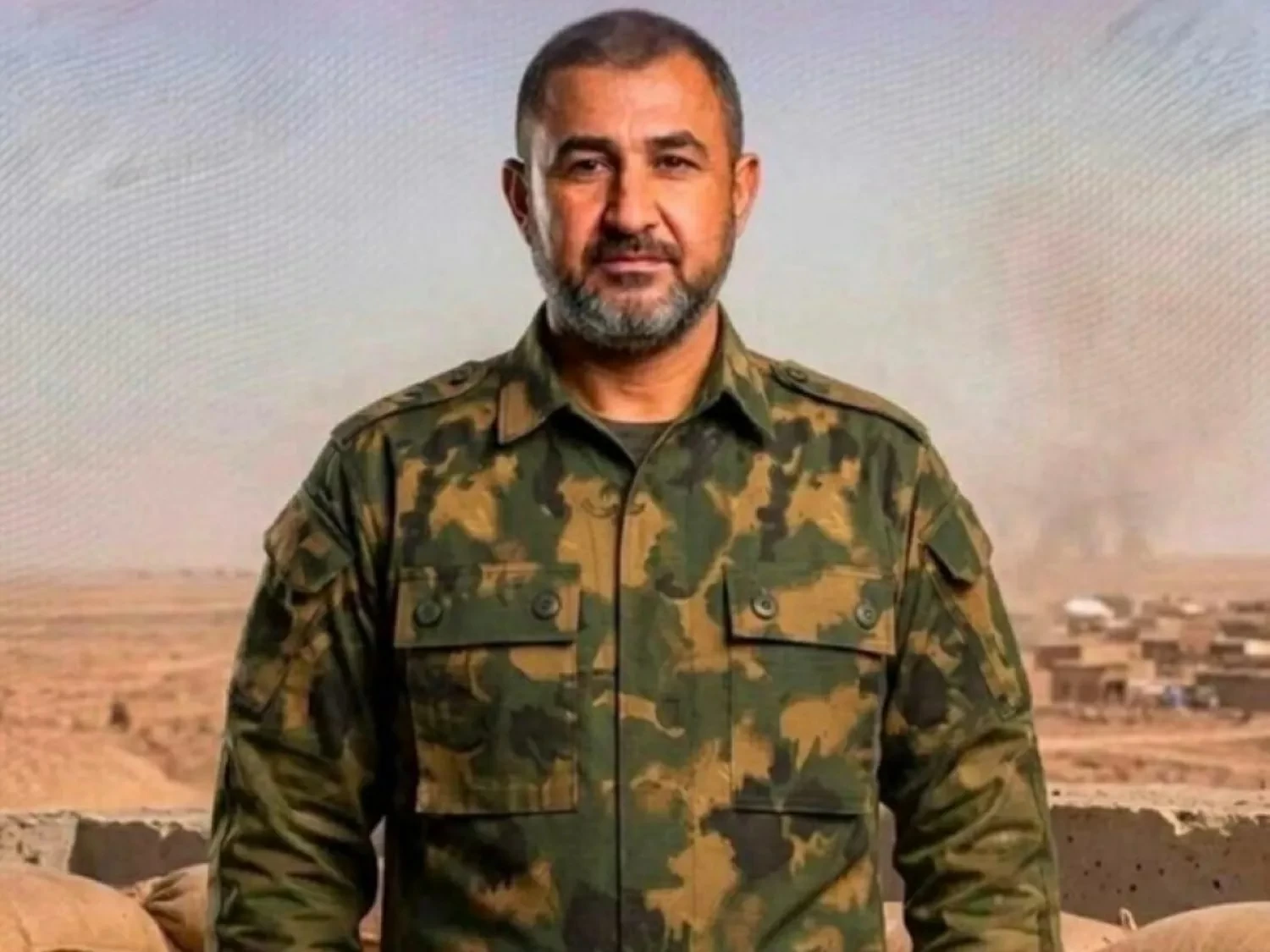
أفرجت السلطات العراقية عن القيادي في هيئة الحشد الشعبي عباس اليعقوبي، بعد خضوعه لإجراءات التحقيق على خلفية توقيفه في محافظة ذي قار جنوب البلاد، للاشتباه في تورطه بهجمات استهدفت الوجود والمصالح الأمريكية.
وأفاد إعلام الحشد الشعبي، اليوم (الأربعاء)، بأن القضاء العراقي أصدر قراراً برد جميع الاتهامات الموجهة إلى اليعقوبي، وتبرئته بشكل كامل، مع إلغاء القضايا والإجراءات القانونية المرفوعة بحقه.
وأوقف جهاز مكافحة الإرهاب اليعقوبي، الإثنين الماضي، في محافظة ذي قار، قبل أن يُحال إلى الجهات القضائية المختصة بقضايا الحشد الشعبي للنظر في القضية.
ويشغل عباس حسين مطر، المعروف بعباس اليعقوبي، منصب مدير استخبارات «قيادة عمليات حزام بغداد» في هيئة الحشد الشعبي، ويرتبط بحركة النجباء كونه مسؤول الاستطلاع بها.
وأثار توقيفه تساؤلات بشأن طبيعة الاتهامات الموجهة إليه، خصوصاً أن عملية التوقيف جاءت في مرحلة حساسة تشهد فيها الساحة العراقية نقاشاً متصاعداً حول ملف حصر السلاح بيد الدولة وتنظيم العلاقة بين الفصائل المسلحة والمؤسسات الرسمية.
وكان المتحدث باسم الحكومة حيدر العبودي أعلن أن اعتقال اليعقوبي تم بموجب أمر قضائي.
ويُعد ملف حصر السلاح بيد الدولة أحد أبرز الملفات الأمنية والسياسية على أجندة حكومة رئيس الوزراء العراقي علي فالح الزيدي، التي وضعت إنهاء المظاهر المسلحة خارج الأطر الرسمية وتعزيز سلطة المؤسسات الحكومية ضمن أولوياتها.
وجددت وزارة الداخلية العراقية التأكيد على المضي قدماً في مسار حصر السلاح بيد الدولة، وشدد رئيس خلية الإعلام الأمني الفريق سعد معن على أن ملف حصر السلاح بيد الدولة يمثل مساراً وطنياً وأمنياً، يهدف إلى تعزيز هيبة الدولة وسيادة القانون وحماية أمن العراق واستقراره.
وبدأت الحكومة العراقية خلال الأشهر الماضية خطوات عملية في هذا الاتجاه، شملت تسجيل الأسلحة وتنظيمها، إلى جانب ترتيبات لفك الارتباط بين بعض الفصائل المسلحة والجهات السياسية، وإعادة تنظيم وضعها ضمن المؤسسات الرسمية.
وشهد الملف تحركات من جانب عدد من الفصائل، إذ أعلنت جهات مسلحة استعدادها لتسليم أسلحتها والارتباط حصراً بالمؤسسات الرسمية، فيما لا تزال فصائل أخرى، أبرزها حركة النجباء وكتائب حزب الله، متمسكة بسلاحها وترفض تسليمه في الوقت الحالي.
The Iraqi authorities have released the leader of the Popular Mobilization Forces, Abbas Al-Yaqoubi, after he underwent investigation procedures following his arrest in Dhi Qar province in the south of the country, on suspicion of his involvement in attacks targeting American presence and interests.
The Popular Mobilization Forces media reported today (Wednesday) that the Iraqi judiciary issued a decision to dismiss all charges against Al-Yaqoubi, fully acquitting him, and canceling the cases and legal proceedings filed against him.
Al-Yaqoubi was arrested by the Counter-Terrorism Service last Monday in Dhi Qar province, before being referred to the competent judicial authorities for cases related to the Popular Mobilization Forces to consider the case.
Abbas Hussein Matar, known as Abbas Al-Yaqoubi, holds the position of Director of Intelligence for the "Baghdad Operations Command" within the Popular Mobilization Forces, and is linked to the Al-Nujaba Movement as he is responsible for reconnaissance there.
His arrest raised questions about the nature of the accusations against him, especially since the arrest occurred at a sensitive time when there is an escalating discussion in the Iraqi arena regarding the issue of restricting arms to the state and organizing the relationship between armed factions and official institutions.
The government spokesman, Haider Al-Aboudi, announced that Al-Yaqoubi's arrest was made under a judicial order.
The issue of restricting arms to the state is considered one of the most prominent security and political files on the agenda of Iraqi Prime Minister Ali Faleh Al-Zaydi's government, which has prioritized ending armed manifestations outside official frameworks and strengthening the authority of government institutions.
The Iraqi Ministry of Interior has reiterated its commitment to proceed with the path of restricting arms to the state, and the head of the Security Media Cell, Lieutenant General Saad Maan, emphasized that the issue of restricting arms to the state represents a national and security path aimed at enhancing the state's prestige, the rule of law, and protecting Iraq's security and stability.
In recent months, the Iraqi government has taken practical steps in this direction, including registering and organizing weapons, as well as arrangements to disconnect some armed factions from political entities and reorganize their status within official institutions.
The issue has seen movements from several factions, as some armed groups have announced their readiness to hand over their weapons and connect exclusively with official institutions, while other factions, notably the Al-Nujaba Movement and Hezbollah Brigades, remain attached to their weapons and refuse to hand them over at this time.