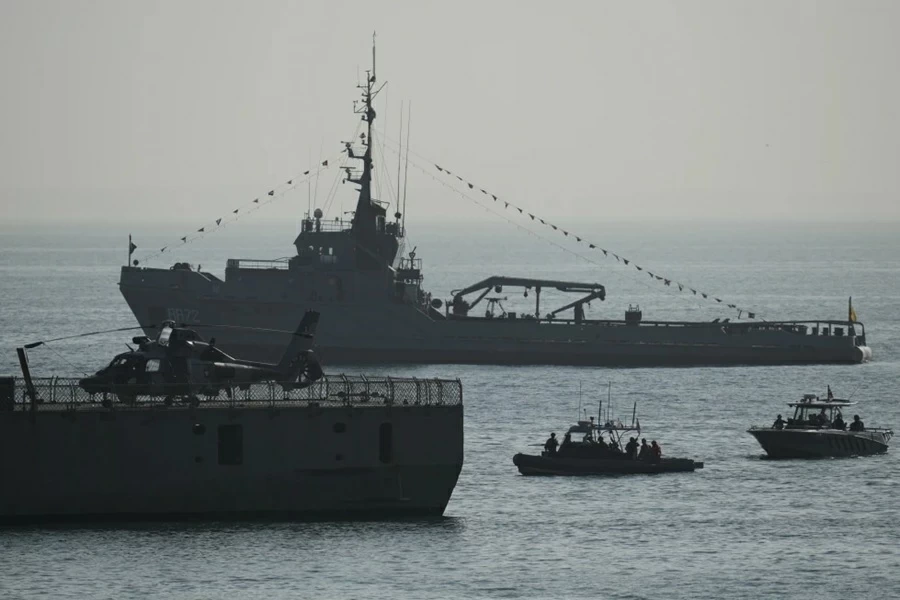
تستعد إدارة الرئيس الأمريكي دونالد ترمب لتوسيع حملتها العسكرية ضد جماعات المخدرات في أمريكا اللاتينية، بعد عام من تنفيذ الجيش الأمريكي ضربات ضد قوارب قالت واشنطن إنها كانت تنقل المخدرات قبالة سواحل دول في منطقة الكاريبي والمحيط الهادئ.
وقال وزير الدفاع الأمريكي بيت هيغسيث، خلال زيارة إلى بنما الأسبوع الماضي، إن الولايات المتحدة تعمل على إبرام ترتيبات مع عدد من دول المنطقة تتيح تنفيذ عمليات عسكرية مشتركة على أراضيها ضد جماعات إجرامية.
وأشار هيغسيث إلى أن كولومبيا وغواتيمالا وهندوراس وافقت على مثل هذه العمليات، بعد الإكوادور التي بدأت في مارس مهام مماثلة بالتعاون مع واشنطن.
لكن غواتيمالا نفت لاحقاً التوصل إلى اتفاق من هذا النوع.
وخلال مشاركته في تدريب عسكري داخل غابات بنما، قال هيغسيث إن العمليات البرية ستكون مشابهة لما شهدته المنطقة خلال الهجمات الأمريكية على قوارب يُشتبه في استخدامها لتهريب المخدرات، مضيفاً أن واشنطن تعمل مع شركائها لاستهداف الجماعات التي تصنفها الولايات المتحدة «منظمات إرهابية» على الأرض.
مرحلة جديدة في سياسة ترمب
ويمثل التوجه نحو تنفيذ عمليات عسكرية برية مشتركة تحولاً جديداً في سياسة إدارة ترمب تجاه أمريكا اللاتينية، التي تسعى واشنطن من خلالها إلى دفع حكومات المنطقة لمزيد من الاصطفاف مع أولوياتها الأمنية.
ويأتي ذلك في إطار ما تصفه الإدارة الأمريكية بالسعي إلى تعزيز «الهيمنة الأمريكية على نصف الكرة الغربي».
ومنذ عودة ترمب إلى البيت الأبيض في يناير 2025، تبنت إدارته نهجاً أكثر تدخلاً في المنطقة مقارنة بالعقود الأخيرة.
وصنفت واشنطن 20 جماعة إجرامية في أمريكا اللاتينية على أنها «منظمات إرهابية أجنبية»، كما وسعت عملياتها العسكرية والاستخباراتية لمواجهة تجارة المخدرات.
وبحسب التقرير، أسفرت أكثر من 60 ضربة أمريكية استهدفت قوارب في البحر الكاريبي وشرق المحيط الهادئ عن مقتل أكثر من 200 شخص، وسط تساؤلات بشأن الأدلة التي تثبت ارتباط جميع المستهدفين بعمليات «إرهاب المخدرات»، إضافة إلى جدل حول الأساس القانوني لهذه الضربات.
خبراء يحذرون من توسيع العمليات
ويرى منتقدون أن نقل الحملة الأمريكية من البحر إلى الأراضي الأجنبية قد يرفع مخاطر سقوط ضحايا مدنيين، فضلاً عن احتمال تأجيج مشاعر مناهضة للولايات المتحدة في المنطقة.
وقال الخبير في شؤون أمريكا اللاتينية مايكل شيفتر إن ما يحدث يمثل محاولة لإضفاء الشرعية على استخدام أوسع للقوة العسكرية الأمريكية في المنطقة، معتبراً أن واشنطن تسعى من خلال ذلك إلى استعراض قوتها وفرض أجندتها.
أما المتخصص في شؤون أمريكا اللاتينية بجامعة أمريكية وليام ليوبغراند، فقال إن استمرار العمليات القتالية الأمريكية إلى جانب القوات المحلية سيكون أمراً جديداً ومختلفاً، لأنه سيختبر حساسيات قديمة مرتبطة بالسيادة الوطنية ووجود القوات الأمريكية.
كولومبيا في قلب التصعيد
وتعد كولومبيا إحدى أبرز ساحات التوسع الأمريكي المحتمل، وطرح هيغسيث إمكانية مشاركة قوات أمريكية في عمليات ضد جماعات مسلحة، من بينها جيش التحرير الوطني الكولومبي (ELN)، وهو آخر التنظيمات المسلحة الكبرى في البلاد.
وقال وزير الدفاع الأمريكي إن الرئيس الكولومبي الجديد أبيلاردو دي لا إسبرييلا طلب زيادة المشاركة العسكرية الأمريكية في بلاده.
وأكد هيغسيث أن أي جماعة تتاجر بالمخدرات أو تهدد الأمريكيين أو حلفاء واشنطن يمكن أن تصبح هدفاً، مشبهاً تجار المخدرات بتنظيمي «داعش» و«القاعدة».
وجاءت هذه التصريحات بعد هجوم بطائرة مسيّرة شنه جيش التحرير الوطني ضد قوات كولومبية، تعهد الرئيس الكولومبي على إثره بأن يدفع المسلحون ثمناً باهظاً.
الإكوادور.. النموذج الأكثر وضوحاً
وأصبحت الإكوادور المثال الأبرز على التعاون العسكري المباشر الجديد بين واشنطن وحكومات المنطقة، فقد بدأت القوات الإكوادورية تنفيذ عمليات مشتركة مع الولايات المتحدة في مارس، رغم أن الناخبين الإكوادوريين رفضوا بأغلبية كبيرة في استفتاء أجري في نوفمبر 2025 السماح بوجود قواعد عسكرية أجنبية في البلاد.
وأثار التعاون العسكري انتقادات إضافية بعد تحقيق صحفي خلص إلى أن ضربة أمريكية استهدفت موقعاً قيل إنه مختبر للمخدرات، لكنها أصابت في الواقع مزرعة للماشية.
غواتيمالا تنفي الاتفاق
وتبرز غواتيمالا كحالة مختلفة عن بقية الدول التي تحدثت واشنطن عن التعاون معها، فعلى الرغم من التعاون الأمني الوثيق بين حكومة الرئيس التقدمي برناردو أريفالو والولايات المتحدة، نفى أريفالو التوصل إلى اتفاق يسمح بتنفيذ عمليات عسكرية أمريكية مشتركة لمكافحة المخدرات.
وأكد الرئيس الغواتيمالي أن مثل هذه العمليات ستكون غير قانونية دون الحصول على موافقة الكونغرس.
ولم تستجب حكومات هندوراس وكولومبيا والإكوادور، وفق التقرير، لطلبات التعليق على تصريحات وزير الدفاع الأمريكي.
ماذا عن المكسيك؟
ورغم كون المكسيك إحدى أهم نقاط منشأ وعبور مخدر الفنتانيل وغيره من المخدرات المتجهة إلى الولايات المتحدة، لم تنضم إلى هذا المسار الجديد.
وتتعاون الرئيسة المكسيكية كلوديا شينباوم بشكل وثيق مع واشنطن في الملفات الأمنية، لكنها قاومت الضغوط المتزايدة لمنح الجيش الأمريكي دوراً مباشراً في مواجهة عصابات المخدرات داخل الأراضي المكسيكية.
ويقول محللون إن مفهوم «العمليات المشتركة» قد يختلف من دولة إلى أخرى، وإن حكومات المنطقة، حتى تلك المتحالفة سياسياً مع ترمب، قد تجد صعوبة في قبول وجود عسكري أمريكي واسع على أراضيها.
مخاوف من سقوط مدنيين
ويحذر خبراء من أن تصعيد العمليات العسكرية قد لا يؤدي بالضرورة إلى تحقيق مكاسب أمنية مستدامة، بل قد يدفع الجماعات المسلحة إلى تغيير أساليبها والانتقال إلى مناطق مأهولة بالسكان.
وقال المدير المشارك لمنظمة «إنسايت كرايم» جيريمي ماكديرموت إن الجماعات المسلحة في كولومبيا تعمل أحياناً وسط السكان المدنيين وتؤدي دور سلطات أمر واقع في مناطق لا تتمتع فيها الدولة بحضور قوي.
وأضاف أن استهداف معسكرات تلك الجماعات عسكرياً قد يدفعها إلى تفكيك قواعدها والانتقال إلى القرى والمدن، ما يزيد من صعوبة مواجهتها ويعرض المدنيين لمخاطر أكبر.
«السيادة» قد تكون العقبة الأكبر
ويرى محللون أن توسيع الدور العسكري الأمريكي سيضع حلفاء ترمب في المنطقة أمام معادلة صعبة بين الاستجابة للمطالب الشعبية بتحسين الأمن ومكافحة الجريمة، والحفاظ على السيادة الوطنية.
The administration of U.S. President Donald Trump is preparing to expand its military campaign against drug cartels in Latin America, following a year of U.S. military strikes against boats that Washington claimed were transporting drugs off the coasts of countries in the Caribbean and Pacific regions.
U.S. Secretary of Defense Pete Hegseth, during a visit to Panama last week, stated that the United States is working to establish arrangements with several countries in the region to allow for joint military operations on their territory against criminal organizations.
Hegseth noted that Colombia, Guatemala, and Honduras have agreed to such operations, following Ecuador, which began similar missions in March in cooperation with Washington.
However, Guatemala later denied reaching any agreement of this kind.
While participating in military training in the forests of Panama, Hegseth said that ground operations would be similar to what the region experienced during U.S. attacks on boats suspected of being used for drug trafficking, adding that Washington is working with its partners to target groups that the U.S. classifies as "terrorist organizations" on the ground.
A New Phase in Trump's Policy
The shift towards implementing joint ground military operations represents a new turn in the Trump administration's policy towards Latin America, through which Washington seeks to push regional governments to align more closely with its security priorities.
This comes as part of what the U.S. administration describes as an effort to enhance "American dominance in the Western Hemisphere."
Since Trump's return to the White House in January 2025, his administration has adopted a more interventionist approach in the region compared to recent decades.
Washington has classified 20 criminal organizations in Latin America as "foreign terrorist organizations" and has expanded its military and intelligence operations to combat drug trafficking.
According to the report, more than 60 U.S. strikes targeting boats in the Caribbean Sea and Eastern Pacific have resulted in the deaths of over 200 people, amid questions regarding the evidence linking all those targeted to "drug terrorism," as well as debate over the legal basis for these strikes.
Experts Warn of Expanded Operations
Critics argue that shifting the U.S. campaign from the sea to foreign lands may increase the risks of civilian casualties, as well as the potential to fuel anti-U.S. sentiments in the region.
Latin America expert Michael Shifter stated that what is happening represents an attempt to legitimize a broader use of U.S. military force in the region, considering that Washington seeks to showcase its power and impose its agenda.
Meanwhile, William Leogrande, a Latin America specialist at an American university, said that the continuation of U.S. combat operations alongside local forces would be something new and different, as it would test old sensitivities related to national sovereignty and the presence of U.S. troops.
Colombia at the Heart of Escalation
Colombia is one of the most prominent potential areas for U.S. expansion, and Hegseth raised the possibility of U.S. forces participating in operations against armed groups, including the National Liberation Army (ELN), which is the last major armed organization in the country.
The U.S. Secretary of Defense stated that the new Colombian President Abelardo de la Espriella requested increased U.S. military involvement in his country.
Hegseth confirmed that any group that traffics drugs or threatens Americans or Washington's allies could become a target, likening drug traffickers to the "ISIS" and "Al-Qaeda" organizations.
These statements came after a drone attack by the National Liberation Army against Colombian forces, after which the Colombian president vowed that the militants would pay a heavy price.
Ecuador: The Most Obvious Model
Ecuador has become the most prominent example of the new direct military cooperation between Washington and regional governments, as Ecuadorian forces began conducting joint operations with the United States in March, despite Ecuadorian voters overwhelmingly rejecting in a referendum held in November 2025 the presence of foreign military bases in the country.
The military cooperation has drawn additional criticism after a journalistic investigation concluded that a U.S. strike targeting a site alleged to be a drug lab actually hit a cattle farm.
Guatemala Denies Agreement
Guatemala stands out as a different case from the other countries Washington has discussed cooperation with. Despite the close security cooperation between the government of progressive President Bernardo Arévalo and the United States, Arévalo denied reaching an agreement to allow joint U.S. military operations to combat drugs.
The Guatemalan president affirmed that such operations would be illegal without congressional approval.
According to the report, the governments of Honduras, Colombia, and Ecuador did not respond to requests for comment on the U.S. Secretary of Defense's statements.
What About Mexico?
Despite Mexico being one of the most significant sources and transit points for fentanyl and other drugs heading to the United States, it has not joined this new path.
Mexican President Claudia Sheinbaum collaborates closely with Washington on security issues, but she has resisted increasing pressure to grant the U.S. military a direct role in confronting drug cartels within Mexican territory.
Analysts say that the concept of "joint operations" may vary from country to country, and that regional governments, even those politically allied with Trump, may find it difficult to accept a broad U.S. military presence on their territory.
Concerns Over Civilian Casualties
Experts warn that escalating military operations may not necessarily lead to sustainable security gains but could push armed groups to change their tactics and move to populated areas.
Jeremy McDermott, co-director of the "Insight Crime" organization, stated that armed groups in Colombia sometimes operate among civilian populations and play the role of de facto authorities in areas where the state does not have a strong presence.
He added that targeting the camps of these groups militarily could lead them to dismantle their bases and move to villages and cities, making it more difficult to confront them and exposing civilians to greater risks.
"Sovereignty" May Be the Biggest Obstacle
Analysts believe that expanding the U.S. military role will put Trump's allies in the region in a difficult equation between responding to public demands for improved security and crime fighting, and maintaining national sovereignty.