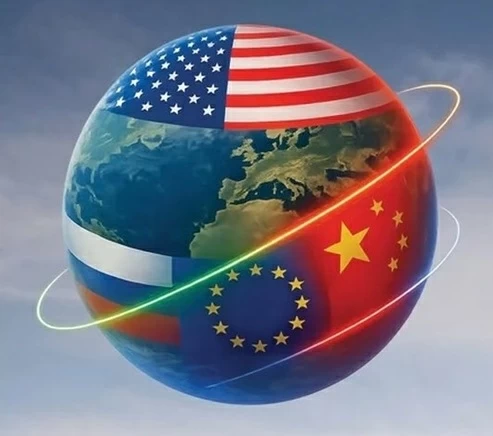
صدر حديثاً كتاب «Geopolitics: Dynamics of Great Powers» (ديناميكيات القوى الكبرى في الجغرافيا السياسية) للدكتور نايف بن حثلين، في عمل بحثي باللغة الإنجليزية يمتد إلى 552 صفحة، ويتناول تطور الفكر الجيوسياسي وأثره في تشكيل النظام الدولي، مع تحليل معمق لإستراتيجيات الولايات المتحدة وروسيا والصين وأوروبا، وتحولات ميزان القوى العالمي في القرن الحادي والعشرين.
ويشير الكتاب إلى أنه في عالم بات يتسم على نحو متزايد بالتنافس الإستراتيجي، والتحالفات المتغيرة، وتآكل هياكل القوة التقليدية، عادت الجغرافيا السياسية لتبرز بوصفها القوة المحورية التي تشكل مسار العلاقات الدولية.
ويقدم كتاب «الجغرافيا السياسية: ديناميكيات القوى العظمى» دراسة شاملة وعميقة التحليل تستكشف كيفية تفاعل الجغرافيا والقوة وفنون إدارة الدولة في تشكيل النظام العالمي. ويتتبع الدكتور نايف بن حثلين الجذور الفكرية للنظرية الجيوسياسية، بدءاً من روادها الكلاسيكيين مثل ماكندر وماهان وسبايكمان، وصولاً إلى الإستراتيجيات المتطورة التي تنتهجها القوى الحديثة في تعاملها مع نظام دولي يزداد تنافساً وتعقيداً.
ويأتي الكتاب امتداداً للمسار الأكاديمي للمؤلف، الذي سبق أن تناول العلاقات السعودية-الأمريكية في مؤلفه «Saudi Arabia and the US Since 1962»، قبل أن ينتقل في هذا الإصدار إلى فضاء أوسع يعالج ديناميكيات التنافس الدولي من منظور جيوسياسي شامل.
الجغرافيا تصنع السياسة
ينطلق الكتاب من فرضية رئيسة مفادها أن الجغرافيا لا تزال أحد أهم العوامل الحاكمة للسلوك السياسي للدول، رغم الثورة التقنية والتغيرات الاقتصادية. ويستعرض المؤلف تطور مفهوم الجيوبوليتيكا منذ نشأته في أوروبا أواخر القرن التاسع عشر، مروراً بإسهامات رواد الفكر الجيوسياسي، وصولاً إلى توظيف هذه النظريات في تفسير الصراعات الدولية المعاصرة.
كما يربط بين النظريات الكلاسيكية والواقع الراهن، موضحاً كيف لا تزال مفاهيم مثل «قلب العالم» (Heartland) و«الحافة» (Rimland) حاضرة في تفسير التنافس على أوكرانيا، وبحر الصين الجنوبي، والممرات البحرية، وسلاسل الإمداد العالمية.
تحليل للقوى الكبرى
يخصص الكتاب مساحة واسعة لتحليل السلوك الجيوسياسي للقوى الكبرى، متناولاً الإستراتيجية الأمريكية في الحفاظ على التفوق العالمي، والتحولات في السياسة الروسية، وصعود الصين باعتبارها منافساً إستراتيجياً، إضافة إلى موقع أوروبا في النظام الدولي الجديد.
ويستعرض كذلك مفاهيم السياسة الخارجية، وتوازن القوى، والإستراتيجية الكبرى، وأثرها في إعادة تشكيل العلاقات الدولية، مع قراءة للتحولات التي يشهدها النظام العالمي في ظل تصاعد المنافسة بين القوى الكبرى.
الجيوسياسة في عصر التكنولوجيا
ولا يقتصر الطرح على المفاهيم التقليدية للجغرافيا السياسية، بل يتوسع ليشمل الأبعاد الحديثة للمنافسة الدولية، مثل الذكاء الاصطناعي، والفضاء السيبراني، وأمن الطاقة، والتقنيات المتقدمة، وسلاسل التوريد، باعتبارها أدوات جديدة لإنتاج النفوذ وموازين القوة.
ويرى المؤلف أن الجغرافيا، رغم كل التطورات التكنولوجية، لا تزال الإطار الثابت الذي تتحرك داخله القوى الدولية، وأن فهم السياسة العالمية يظل ناقصاً دون إدراك تأثير الموقع والموارد والممرات الإستراتيجية في صناعة القرار.
مرجع أكاديمي
يمثل الكتاب مرجعاً أكاديمياً في حقل العلاقات الدولية والجغرافيا السياسية، إذ يجمع بين التأصيل النظري والتحليل التطبيقي، مستنداً إلى عدد كبير من المراجع والدراسات الغربية، مع معالجة منهجية لتطور الفكر الجيوسياسي من المدارس الكلاسيكية إلى المقاربات المعاصرة.
ويستهدف الباحثين والأكاديميين وطلاب العلوم السياسية والعلاقات الدولية، إلى جانب المهتمين بالشؤون الإستراتيجية وصنّاع القرار، عبر تقديم إطار تحليلي لفهم طبيعة الصراع الدولي في مرحلة تشهد إعادة تشكيل موازين القوة العالمية.
ويُعد «Geopolitics: Dynamics of Great Powers» أحدث إصدارات الدكتور نايف بن حثلين، وصدر باللغة الإنجليزية في أبريل 2026 عن Independently Published، في طبعة ورقية تضم 552 صفحة.
The book "Geopolitics: Dynamics of Great Powers" (ديناميكيات القوى الكبرى في الجغرافيا السياسية) by Dr. Nayef bin Hathleen has recently been published. This research work, written in English, spans 552 pages and addresses the evolution of geopolitical thought and its impact on shaping the international system, with an in-depth analysis of the strategies of the United States, Russia, China, and Europe, as well as the shifts in the global balance of power in the 21st century.
The book notes that in a world increasingly characterized by strategic competition, changing alliances, and the erosion of traditional power structures, geopolitics has re-emerged as the central force shaping the course of international relations.
The book "Geopolitics: Dynamics of Great Powers" offers a comprehensive and deeply analytical study that explores how geography, power, and statecraft interact to shape the global system. Dr. Nayef bin Hathleen traces the intellectual roots of geopolitical theory, starting from its classical pioneers such as Mackinder, Mahan, and Spykman, to the evolving strategies employed by modern powers in dealing with an increasingly competitive and complex international system.
The book extends the academic trajectory of the author, who previously addressed Saudi-American relations in his work "Saudi Arabia and the US Since 1962," before moving in this edition to a broader space that tackles the dynamics of international competition from a comprehensive geopolitical perspective.
Geography Shapes Politics
The book starts from a main hypothesis that geography remains one of the most important governing factors of the political behavior of states, despite technological revolutions and economic changes. The author reviews the evolution of the concept of geopolitics since its inception in Europe in the late 19th century, through the contributions of the pioneers of geopolitical thought, to the application of these theories in explaining contemporary international conflicts.
It also connects classical theories with the current reality, illustrating how concepts such as "Heartland" and "Rimland" are still relevant in explaining the competition over Ukraine, the South China Sea, maritime corridors, and global supply chains.
Analysis of Great Powers
The book dedicates a wide space to analyzing the geopolitical behavior of great powers, addressing the American strategy to maintain global supremacy, shifts in Russian politics, and the rise of China as a strategic competitor, in addition to Europe's position in the new international system.
It also reviews concepts of foreign policy, balance of power, grand strategy, and their impact on reshaping international relations, with an examination of the transformations occurring in the global system amidst the rising competition among great powers.
Geopolitics in the Age of Technology
The discussion is not limited to traditional concepts of geopolitics but expands to include modern dimensions of international competition, such as artificial intelligence, cyberspace, energy security, advanced technologies, and supply chains, as new tools for producing influence and power balances.
The author believes that geography, despite all technological advancements, remains the stable framework within which international powers operate, and that understanding global politics remains incomplete without recognizing the impact of location, resources, and strategic corridors on decision-making.
An Academic Reference
The book serves as an academic reference in the field of international relations and geopolitics, combining theoretical foundations with applied analysis, relying on a large number of references and Western studies, with a systematic treatment of the evolution of geopolitical thought from classical schools to contemporary approaches.
It targets researchers, academics, and students of political science and international relations, as well as those interested in strategic affairs and decision-makers, by providing an analytical framework for understanding the nature of international conflict in a phase witnessing a reshaping of global power balances.
"Geopolitics: Dynamics of Great Powers" is the latest publication by Dr. Nayef bin Hathleen, released in English in April 2026 by Independently Published, in a paperback edition comprising 552 pages.