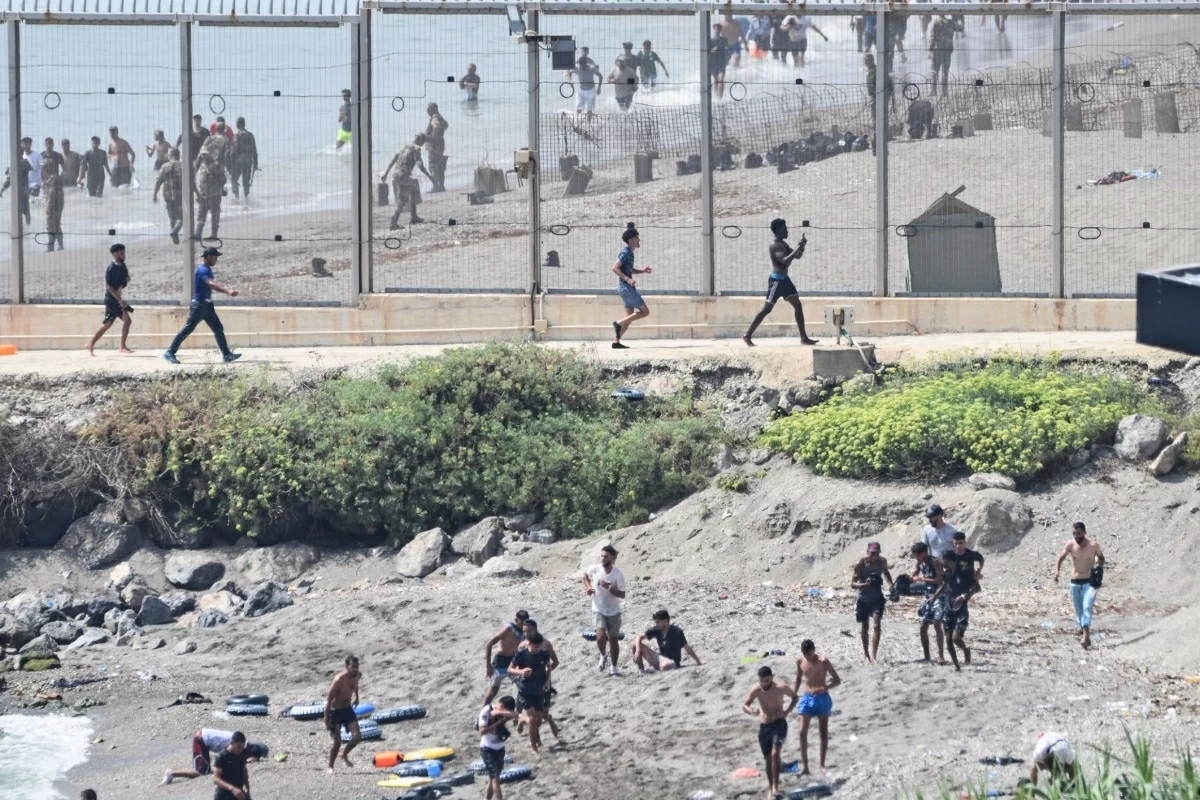
ارتفعت حصيلة ضحايا التدفق الجماعي للمهاجرين غير النظاميين إلى مدينة سبتة الإسبانية الواقعة على الساحل الشمالي لأفريقيا، إلى 88 قتيلاً، وفقاً لوكالة الأنباء الإسبانية.
يأتي هذا الإعلان بعد أن أفادت مندوبية الحكومة الإسبانية في المدينة، أمس (الأحد)، بسقوط 72 ضحية، في حين أعلنت السلطات المغربية من جانبها عن تسجيل 11 حالة وفاة.
وأعلنت وزارة الداخلية المغربية أمس تسجيل حالة وفاة عرضية واحدة إثر السقوط من منطقة صخرية مجاورة لمدينة سبتة، إلى جانب 10 حالات وفاة ناجمة عن الغرق.
وكان عشرات الآلاف من المهاجرين غير النظاميين تمكنوا، في نهاية شهر يوليو الماضي، من الوصول إلى المدينة ذاتية الحكم سباحة أو سيراً على الأقدام عبر الالتفاف حول كاسر الأمواج الذي يفصل المدينة عن الأراضي المغربية.
وعلى خلفية هذه الأزمة الحادة قررت السلطات الإسبانية الاستعانة بالجيش لدعم الأجهزة الأمنية في تأمين المدينة، فيما تُشير التقديرات إلى أن الغالبية العظمى من هؤلاء المهاجرين، والذين فاق عددهم 60 ألفاً، قد عادوا إلى المغرب.
وقالت وزارة الداخلية المغربية إن أزمة المهاجرين أتت نتيجة الاستغلال المغرض للفضاء الرقمي، وترويج معلومات مضللة، ودور عصابات الاتجار بالبشر، والتأويلات الخاطئة لمعطيات قانونية وإدارية.
ولفتت الوزارة إلى قرار صدر أخيراً عن المحكمة العليا الإسبانية يقضي بأن المهاجرين غير النظاميين الوافدين عبر البحر لا ينطبق عليهم إجراء الإعادة الفورية. وأكدت وزارة الداخلية أن النيابة العامة فتحت تحقيقات قضائية بشأن الأحداث.
The death toll from the mass influx of irregular migrants to the Spanish city of Ceuta, located on the northern coast of Africa, has risen to 88, according to the Spanish news agency.
This announcement comes after the Spanish government's delegation in the city reported yesterday (Sunday) that there were 72 casualties, while Moroccan authorities announced 11 deaths on their side.
The Moroccan Ministry of Interior announced yesterday that there was one accidental death due to a fall from a rocky area adjacent to Ceuta, in addition to 10 drowning fatalities.
Tens of thousands of irregular migrants managed, at the end of July, to reach the autonomous city by swimming or walking around the breakwater that separates the city from Moroccan territory.
In light of this acute crisis, Spanish authorities decided to enlist the army to support security forces in securing the city, while estimates indicate that the vast majority of these migrants, numbering over 60,000, have returned to Morocco.
The Moroccan Ministry of Interior stated that the migrant crisis resulted from the malicious exploitation of digital space, the promotion of misleading information, the role of human trafficking gangs, and misinterpretations of legal and administrative data.
The ministry pointed to a recent ruling by the Spanish Supreme Court stating that irregular migrants arriving by sea are not subject to immediate return procedures. The Ministry of Interior confirmed that the public prosecutor has opened judicial investigations into the events.