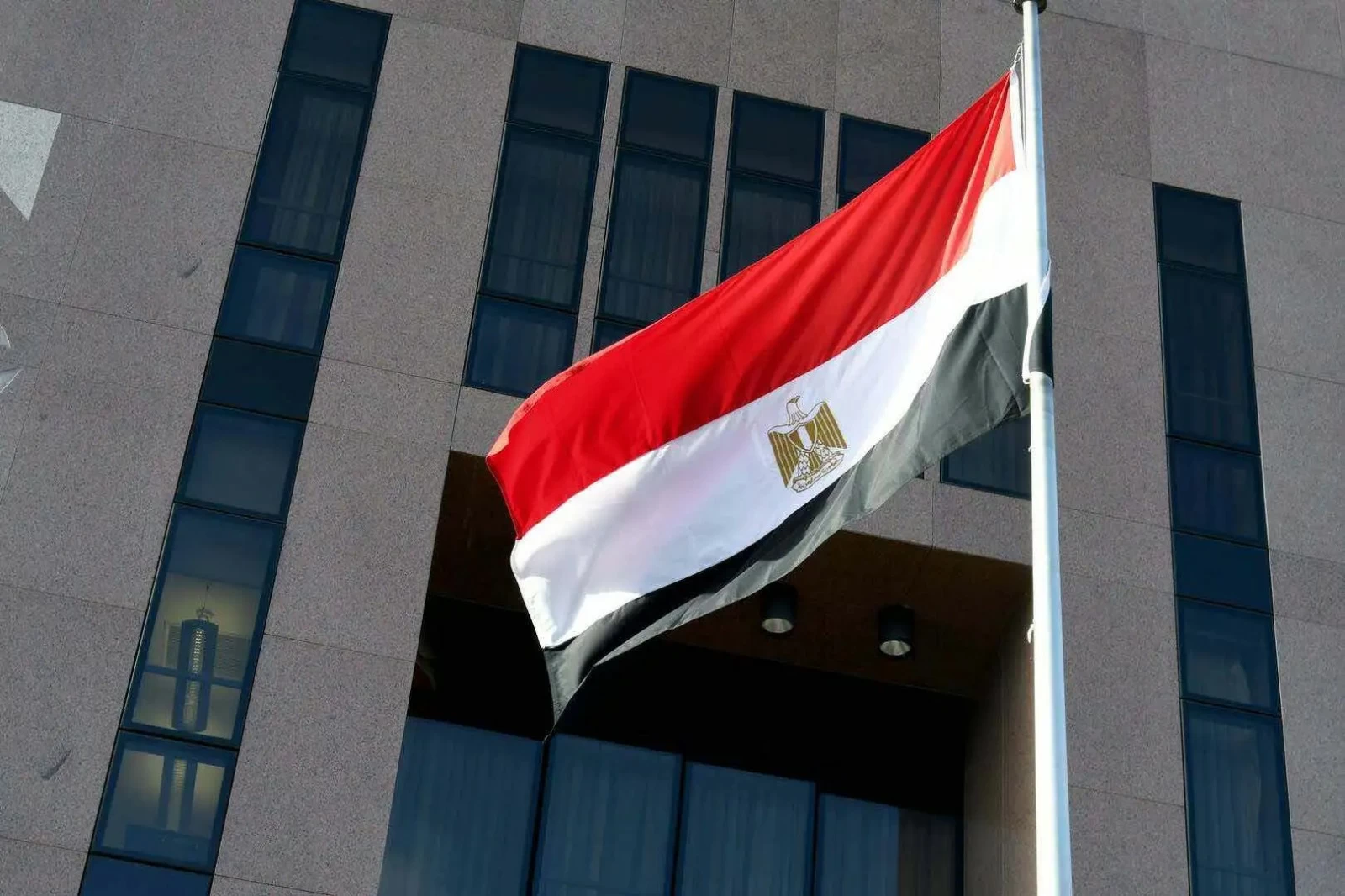
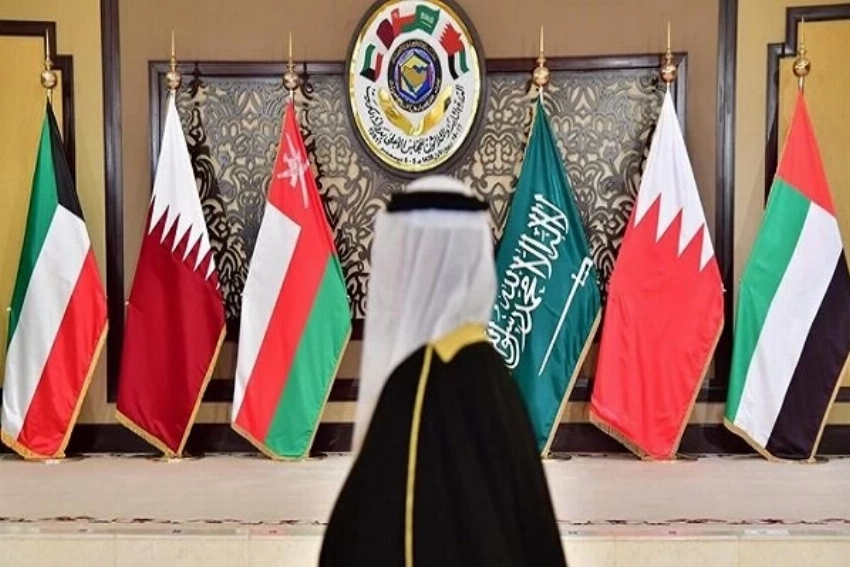
أعلنت جمهورية مصر العربية دعمها للبيان الصادر عن دول مجلس التعاون لدول الخليج العربية والمملكة الأردنية الهاشمية، مؤكدة تضامنها الكامل مع الدول العربية الشقيقة، ووقوفها إلى جانبها في مواجهة أي اعتداءات أو تهديدات تستهدف أمنها واستقرارها وسيادتها.
ورحبت مصر، في بيان صادر عنها، بما عكسه البيان الخليجي الأردني من وحدة في الموقف العربي تجاه الاعتداءات التي تستهدف عدداً من الدول العربية، مؤكدة دعمها الكامل لما تتخذه الدول الشقيقة من إجراءات مشروعة للحفاظ على أمنها واستقرارها وسيادتها الوطنية.
وجددت القاهرة رفضها القاطع وإدانتها لاستهداف سيادة الدول العربية الشقيقة، وكذلك استهداف المدنيين والمنشآت المدنية والبنية التحتية الحيوية، محذرة من أي أعمال من شأنها تهديد أمن وحرية الملاحة الدولية.
وأكدت مصر أهمية الالتزام الكامل بمبادئ احترام سيادة الدول ووحدة وسلامة أراضيها، والامتناع عن استخدام القوة أو التهديد باستخدامها، إلى جانب ضرورة الالتزام بمبادئ حسن الجوار وعدم التدخل في الشؤون الداخلية للدول.
وشددت القاهرة على أن الالتزام بهذه المبادئ يمثل أساساً ضرورياً لصون الأمن والسلم على المستويين الإقليمي والدولي، واحتواء التوترات المتصاعدة، ومنع اتساع دائرة الصراع في المنطقة.
ويأتي الموقف المصري في أعقاب البيان المشترك الصادر عن دول مجلس التعاون لدول الخليج العربية والمملكة الأردنية الهاشمية، الذي عكس وحدة موقف الدول السبع في مواجهة ما وصفته بـ«العدوان» الإيراني المستمر على أراضيها ومواطنيها وبنيتها التحتية المدنية.
وأكد البيان أن الاعتداءات الإيرانية استمرت منذ 28 فبراير 2026، وتصاعدت بصورة خاصة ضد البحرين والكويت والأردن، وشملت استهداف منشآت الطاقة ومحطات تحلية المياه والموانئ والمطارات وغيرها من الأعيان المدنية.
ودعت الدول السبع مجلس الأمن الدولي إلى إصدار قرار عاجل يطالب بوقف الاعتداءات فوراً، والاعتراف بحق الدول المتضررة في الدفاع عن النفس، فضلاً عن النظر في اتخاذ تدابير إضافية إذا استمرت الهجمات.
كما شددت على التزامها بحرية وسلامة الملاحة في مضيقي هرمز وباب المندب، مؤكدة استعدادها للعمل مع دول المنطقة والمنظمة البحرية الدولية للتوصل إلى ترتيبات دائمة تتوافق مع القانون الدولي واتفاقية الأمم المتحدة لقانون البحار، وتحترم سيادة الدول ومبدأ حسن الجوار.
وشدد البيان على التضامن الكامل مع المملكة العربية السعودية، ودعمها التام لما تتخذه من إجراءات مشروعة للحفاظ على سيادتها وأمنها واستقرارها وسلامة أراضيها، وتقديرها البالغ للجهود الدبلوماسية التي تقوم بها المملكة وسلطنة عمان للتوصل إلى حل سياسي شامل ودائم للأزمة اليمنية، وما تقدمه المملكة من دعم تنموي وإنساني للجمهورية اليمنية الشقيقة.
وتأتي هذه التطورات في ظل تصاعد التوترات الإقليمية، إذ سبق لمجلس التعاون أن دان هجمات إيرانية استهدفت دولاً خليجية وسفنًا تجارية في مضيق هرمز، محذراً من تداعياتها على أمن الملاحة الدولية وإمدادات الطاقة والتجارة العالمية، ومؤكداً أن أمن دول المجلس «كل لا يتجزأ».
The Arab Republic of Egypt announced its support for the statement issued by the Gulf Cooperation Council countries and the Hashemite Kingdom of Jordan, affirming its full solidarity with the brotherly Arab countries and standing by them in the face of any aggressions or threats targeting their security, stability, and sovereignty.
Egypt welcomed, in a statement issued by it, the unity reflected in the Gulf-Jordanian statement regarding the aggressions targeting several Arab countries, affirming its full support for the legitimate measures taken by the brotherly countries to preserve their security, stability, and national sovereignty.
Cairo reiterated its firm rejection and condemnation of targeting the sovereignty of brotherly Arab countries, as well as the targeting of civilians, civilian facilities, and vital infrastructure, warning against any actions that could threaten international navigation security and freedom.
Egypt emphasized the importance of full commitment to the principles of respecting the sovereignty of states and the unity and integrity of their territories, and refraining from using force or threatening to use it, in addition to the necessity of adhering to the principles of good neighborliness and non-interference in the internal affairs of states.
Cairo stressed that adherence to these principles represents an essential foundation for preserving security and peace at both the regional and international levels, containing escalating tensions, and preventing the widening of the conflict circle in the region.
This Egyptian stance comes in the wake of the joint statement issued by the Gulf Cooperation Council countries and the Hashemite Kingdom of Jordan, which reflected the unity of the seven countries' position in facing what they described as the ongoing Iranian "aggression" against their territories, citizens, and civilian infrastructure.
The statement confirmed that Iranian aggressions have continued since February 28, 2026, and have particularly escalated against Bahrain, Kuwait, and Jordan, including targeting energy facilities, water desalination plants, ports, airports, and other civilian objects.
The seven countries called on the United Nations Security Council to issue an urgent resolution demanding an immediate halt to the aggressions and recognizing the right of the affected countries to self-defense, as well as considering taking additional measures if the attacks continue.
They also emphasized their commitment to the freedom and safety of navigation in the Strait of Hormuz and the Bab el-Mandeb, affirming their readiness to work with the countries of the region and the International Maritime Organization to reach permanent arrangements that comply with international law and the United Nations Convention on the Law of the Sea, and respect the sovereignty of states and the principle of good neighborliness.
The statement emphasized full solidarity with the Kingdom of Saudi Arabia and its complete support for the legitimate measures it takes to preserve its sovereignty, security, stability, and territorial integrity, as well as its deep appreciation for the diplomatic efforts made by the Kingdom and the Sultanate of Oman to reach a comprehensive and lasting political solution to the Yemeni crisis, and the developmental and humanitarian support provided by the Kingdom to the brotherly Yemeni Republic.
These developments come amid escalating regional tensions, as the Gulf Cooperation Council had previously condemned Iranian attacks targeting Gulf countries and commercial ships in the Strait of Hormuz, warning of their repercussions on the security of international navigation, energy supplies, and global trade, and affirming that the security of the Council's countries is "an indivisible whole".