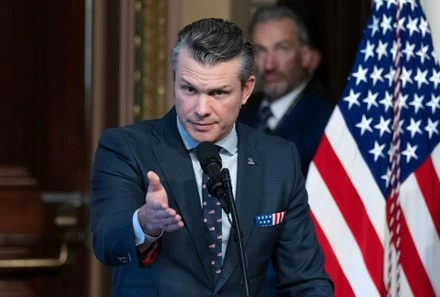
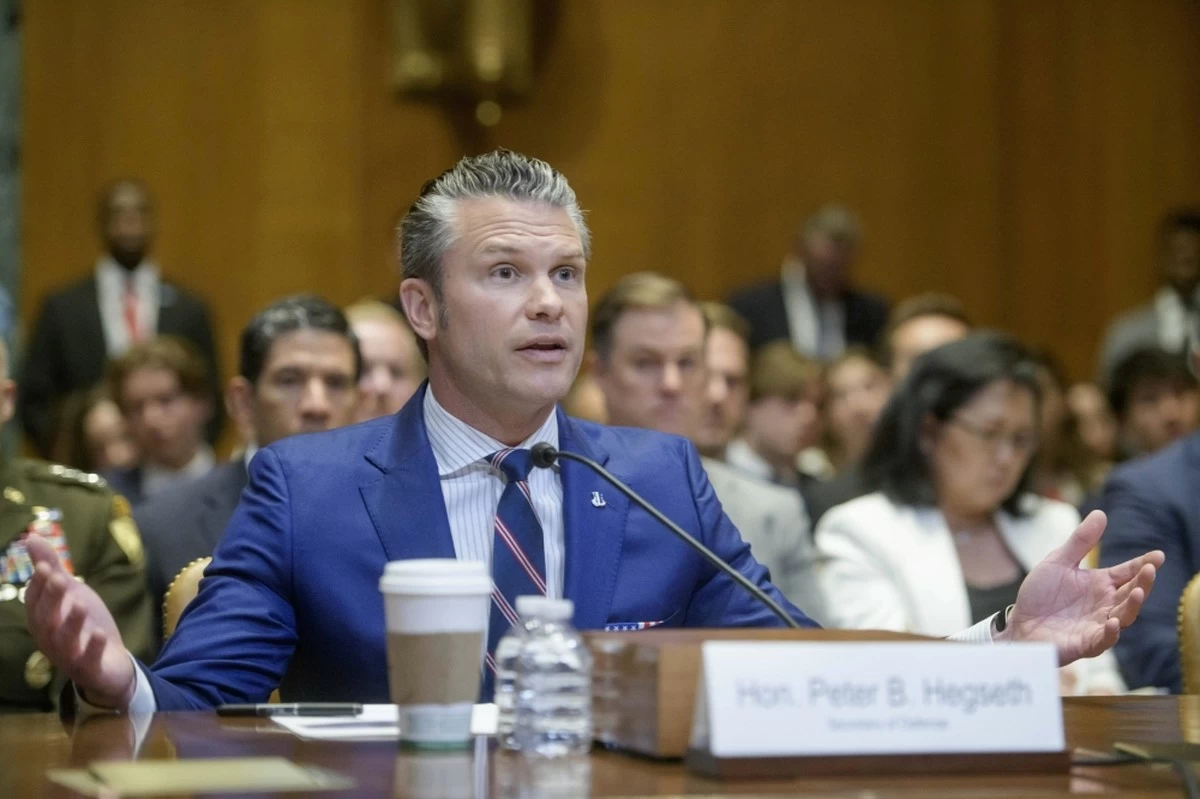
شهدت جلسة استماع في مجلس الشيوخ الأمريكي مشادة كلامية حادة بين السيناتور الديمقراطي غاري بيترز ووزير الحرب بيت هيغسيث، بعدما تبادل الطرفان الاتهامات بشأن إدارة الحرب الأمريكية على إيران والإستراتيجية التي تتبعها إدارة الرئيس دونالد ترمب.
وخلال الجلسة، انتقد بيترز طلب الإدارة الأمريكية الحصول على تمويل إضافي للعمليات العسكرية، متسائلاً عن الإستراتيجية التي تتبعها واشنطن لتحقيق النصر في الحرب، ومتهماً هيغسيث بعدم امتلاك خطة واضحة أو رؤية طويلة المدى.
وقال بيترز إن الوزير «فشل في كسب الحرب»، قبل أن يوجه إليه انتقادات شخصية حادة، مؤكداً أن المشكلة لا تكمن في الجنود الأمريكيين الذين يؤدون مهماتهم، وإنما في القيادة السياسية والعسكرية.
ورد هيغسيث بغضب على وصف بيترز للجهود العسكرية الأمريكية بأنها «فاشلة»، معتبراً أن تصريحات السيناتور «متهورة وغير مسؤولة» وتمثل إساءة إلى تضحيات القوات الأمريكية.
لكن بيترز صعّد لهجته قائلاً لوزير الحرب: «أنت، سيدي، الفاشل»، مضيفاً أن الجنود ليسوا هم الفاشلين، وإنما غياب إستراتيجية واضحة لتحقيق النصر هو المشكلة الأساسية.
كما اتهم بيترز هيغسيث بأنه يركز بصورة مفرطة على الدفاع عن الرئيس دونالد ترمب، في الوقت الذي كان ينبغي فيه تقديم إجابات واضحة للكونغرس بشأن سير العمليات العسكرية وتكاليف الحرب ومستقبلها.
وفي المقابل، اتهم هيغسيث السيناتور الديمقراطي بما وصفه بـ«متلازمة اضطراب ترمب»، في إشارة إلى ما يعتبره الجمهوريون رفضاً متحيزاً لكل ما تقوم به إدارة الرئيس الأمريكي.
وتأتي المواجهة في وقت تواجه فيه إدارة ترمب ضغوطاً متزايدة داخل الكونغرس بشأن الحرب على إيران، خاصة مع ارتفاع تكاليف العمليات العسكرية ومطالبة وزارة الحرب بتمويل إضافي، وسط تساؤلات من أعضاء مجلس الشيوخ حول أهداف الحرب، ومدى وجود خطة واضحة لإنهائها.
وخلال الجلسة، قدر هيغسيث تكلفة الحرب على إيران بنحو 37.5 مليار دولار، بينما دافع عن طلب تمويل إضافي للعمليات العسكرية، مؤكداً أن القوات الأمريكية تحتاج إلى موارد إضافية لمواصلة مهماتها.
وتحولت الجلسة إلى واحدة من أكثر المواجهات السياسية حدة بين هيغسيث وأعضاء الكونغرس منذ توليه منصبه، في ظل تصاعد الانتقادات الموجهة إلى إدارة ترمب بشأن طريقة إدارة الحرب، وغياب رؤية واضحة بشأن المدى الزمني للعمليات العسكرية وتداعياتها المالية والبشرية.
وتكشف المشادة بين بيترز وهيغسيث حجم الانقسام داخل واشنطن حول الحرب، إذ يرى الديمقراطيون أن الإدارة الأمريكية تطلب تمويلاً إضافياً دون تقديم إستراتيجية واضحة، بينما يؤكد الجمهوريون وإدارة ترمب أن تمويل القوات ضروري لمواصلة العمليات وتحقيق أهداف الأمن القومي الأمريكي.
A heated exchange occurred during a Senate hearing between Democratic Senator Gary Peters and Secretary of War Pete Hegseth, as both sides traded accusations regarding the U.S. war management in Iran and the strategy followed by President Donald Trump's administration.
During the session, Peters criticized the Trump administration's request for additional funding for military operations, questioning the strategy Washington is following to achieve victory in the war, and accusing Hegseth of lacking a clear plan or long-term vision.
Peters stated that the secretary "failed to win the war," before directing sharp personal criticisms at him, asserting that the problem lies not with the American soldiers carrying out their missions, but with the political and military leadership.
Hegseth angrily responded to Peters' description of U.S. military efforts as "failed," considering the senator's remarks to be "reckless and irresponsible," and an insult to the sacrifices of American forces.
However, Peters escalated his tone, telling the Secretary of War: "You, sir, are the failure," adding that the soldiers are not the failures, but rather the absence of a clear strategy for achieving victory is the fundamental problem.
Peters also accused Hegseth of being overly focused on defending President Donald Trump, at a time when clear answers should have been provided to Congress regarding the progress of military operations, the costs of the war, and its future.
In response, Hegseth accused the Democratic senator of what he termed "Trump Derangement Syndrome," referring to what Republicans see as a biased rejection of everything the Trump administration does.
This confrontation comes at a time when the Trump administration is facing increasing pressure within Congress regarding the war in Iran, especially with rising military operation costs and the War Department's request for additional funding, amid questions from senators about the war's objectives and the existence of a clear plan to end it.
During the session, Hegseth estimated the cost of the war in Iran at about $37.5 billion, while defending the request for additional funding for military operations, asserting that American forces need extra resources to continue their missions.
The session turned into one of the most intense political confrontations between Hegseth and members of Congress since he took office, amid rising criticisms directed at the Trump administration regarding its management of the war, and the absence of a clear vision regarding the timeline of military operations and their financial and human implications.
The exchange between Peters and Hegseth reveals the extent of the division within Washington over the war, as Democrats believe the U.S. administration is requesting additional funding without providing a clear strategy, while Republicans and the Trump administration assert that funding for the forces is essential to continue operations and achieve U.S. national security objectives.